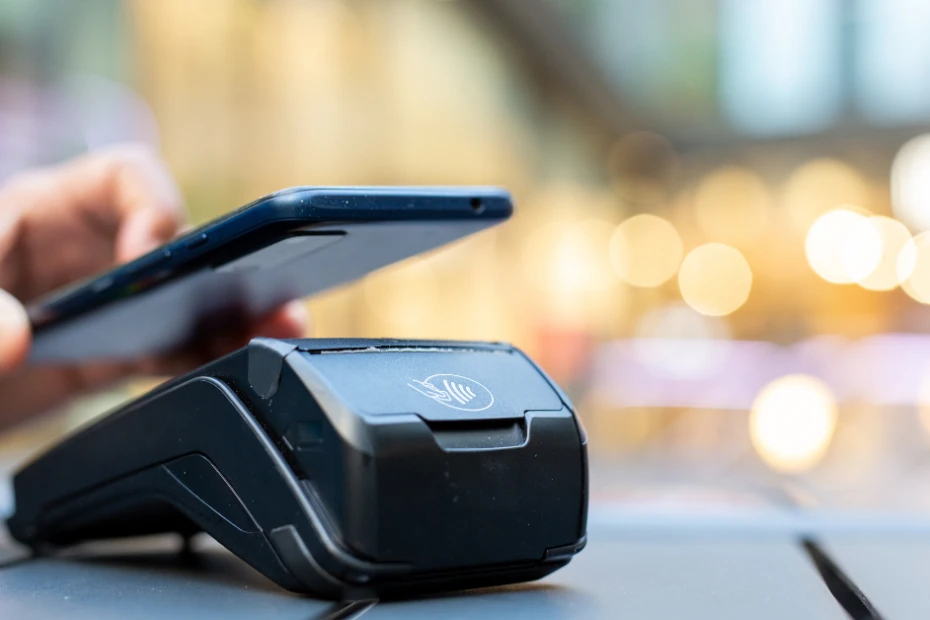

Payment systems touch nearly every part of daily life. People pay for rent, electricity, school fees, and shopping in many ways. Shops, clinics, schools, and service providers need ways to accept cash, cards, app based transfers, and bank transfers without chaos. Simple, safe payment flows help both sides: the business gets paid on time and the customer avoids long queues and confusion. For many people, the way a business handles payments shapes how they feel about that business.
Role of a Payment Partner
A payment solutions provider helps a business collect money from customers through many channels. The main goal is simple: make it easier for customers to pay, reduce mistakes, and keep clear records. The provider sets up systems that link tills, websites, mobile apps, and back office tools. Staff can then track who has paid and which amounts still stand open. When payments run smoothly, staff can focus more on service and less on chasing unpaid bills.
Different Payment Options for Customers
Modern payment solutions bring several choices under one roof. A shopper might pay with a bank card at a till, a code from a mobile app, or a bank transfer from home. A parent might pay school fees at a retail counter near home instead of travelling to the school office. A tenant might settle rent through a pay-at-counter barcode. When these flows run through one system, reconciliation at month end becomes much simpler. Customers like having choice, since one person may prefer cash and another trusts card or app based methods more.
How a Payment Provider Supports Daily Work
A payment provider gives merchants access to the banking rails that move money from the payer’s account to the business account. This link needs strong security, clear audit trails, and steady uptime. Small businesses often do not have the time or skill to build such systems on their own. By using an external platform, they get access to tested tools and support staff who understand common issues, such as failed transactions or duplicate payments.
What Payments Service Providers Do for Merchants
Many merchants work with specialist payments service providers that can plug into tills, websites, and mobile apps at the same time. These services route card payments, instant bank transfers, and other methods through the same hub. That hub then passes status messages back to the merchant system, so staff know whether a sale went through or failed. This cuts down on manual checks and reduces human error.
Payment Processors in South Africa and Risk Control
There are many payment processors in South Africa that focus on authorising and settling transactions. These processors handle the heavy lifting behind the scenes. They speak to banks, confirm limits, and decide whether to approve or decline each attempt to pay. Strong fraud checks sit inside these flows. This helps protect card holders and merchants from cloned cards, stolen details, and suspicious activity.
How a Payment Aggregator Makes Access Easier
A payment aggregator lets many small and medium merchants use one shared platform instead of each merchant signing a direct contract with every bank. Merchants sign up with the aggregator, who then handles contracts with banks and other partners. For a small business, this can mean faster setup and less paperwork. The merchant still sees clear reports and payout schedules, yet does not need a large finance team to handle complex banking links.
Bill Payment Solutions for Everyday Needs
Many households rely on bill payment solutions to keep up with electricity, water, rates, and subscription services. People often pay these accounts at supermarkets, small retailers, or through mobile banking channels. A central platform accepts the payment, records the reference number, and passes the information on to the biller system. The customer walks away with a receipt that proves the account is up to date.
Practical Examples from Daily Life
Take a commuter who buys prepaid electricity on the way home from work. The till scans a barcode linked to the customer’s meter, sends a message through the payment platform, and prints a token. The same person might later pay a store card account at the same counter. Both of these payments flow through the same back-end systems, yet they relate to very different services.
Another example is a parent who pays school fees at a retail counter instead of visiting the school office. The child’s account is updated once the payment platform sends the record through to the school system. This saves travel time and reduces queues at the school itself. This helps the school see which families are up to date and which accounts still need attention.
Benefits for Businesses
For a merchant, modern payment systems bring many practical gains. Cash handling shrinks, which lowers risk of loss or theft. Staff spend less time counting notes and coins at the end of the day. Automatic reports make it easier to spot trends, such as peak trading hours or days when certain payment methods are more popular. Card and app based payments give customers more choice at the till, which often leads to higher sales and fewer abandoned baskets. Confidence at the till often leads to repeat visits and long term loyalty.
What to Look at When Choosing a Platform
When a business picks a new payment partner, several points matter. Security sits at the top of the list. Systems must handle card details and personal data with care, and follow the rules set by banks and regulators. Stability is just as critical, since every minute of downtime means lost sales and unhappy customers. Clear fees and charges help the merchant know what it pays per transaction and per month. Support teams with real world experience help staff fix issues such as reversals, chargebacks, and wrong references. Good reporting tools that show daily totals by channel can help owners plan stock, staff, and cash flow more carefully.
How Payment Systems Support Trust
Trust grows when customers feel safe at the point of sale. Clear screens, simple prompts, and fast receipts give people confidence that their money went to the right place. When accounts, store cards, or municipal bills show the correct payment within a short time, people feel more willing to use electronic channels again. On the merchant side, staff feel calmer when they see that payments match bank deposits without long delays. Clear dispute handling processes, such as strong support for chargebacks and refunds where needed, strengthen this trust further.
Behind every card tap, barcode scan, or mobile code sits a group of tools and partners that move funds, confirm details, and keep records tidy. When businesses choose strong payment partners and set up clear processes, customers pay with less stress and merchants manage their cash flow with more control. Simple, reliable payment systems turn a task that once caused long queues and confusion into a normal part of everyday life.































Sign in to leave a comment.