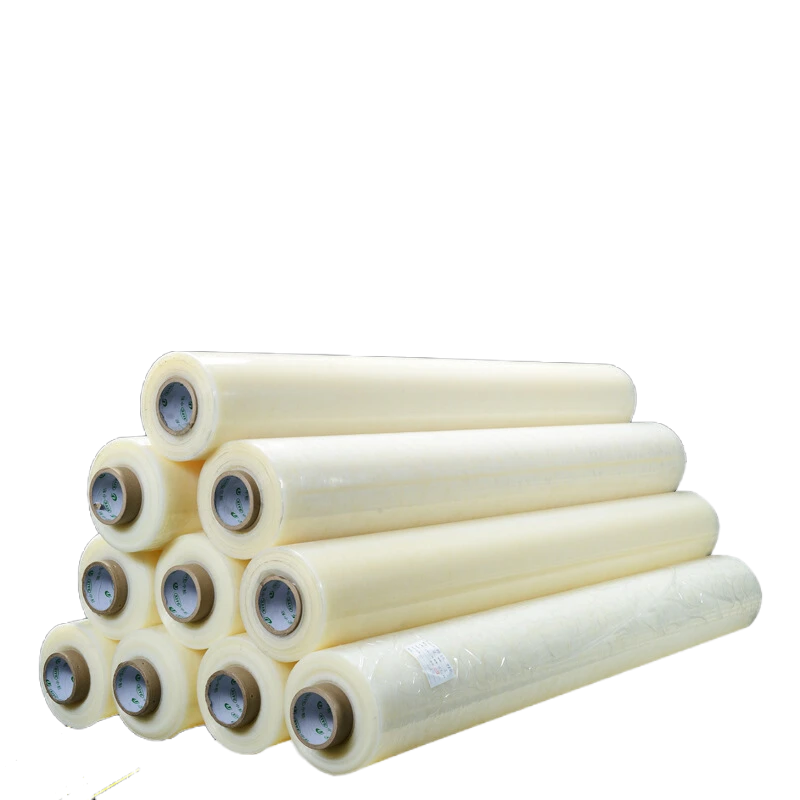
In today’s fast-growing manufacturing environment, surface protection has become more essential than ever. From aluminum profiles and stainless steel panels to glass, plastics, and flooring materials, factories must ensure that their products remain scratch-free and contamination-free during processing, storage, and transportation. This is where PE protective film plays a crucial role.
As one of the most widely used temporary protection materials, PE protective film provides a safe and reliable barrier that prevents dust, moisture, scratches, and chemical exposure. Manufacturers across construction, automotive, home appliances, and decorative materials are increasingly relying on PE film to improve product quality, reduce waste, and enhance customer satisfaction.
Why PE Protective Film Has Become a Manufacturing Standard
1. Multi-material compatibility
PE film can be applied to a wide range of materials including metal sheets, glass, acrylic, carpets, marble, tiles, and plastic components. This versatility makes it a standard protective solution for many industries.
2. Stable and clean adhesive system
A quality PE protection film uses an environmentally friendly acrylic adhesive that does not leave residue after removal. This prevents costly re-cleaning or polishing.
For example, protective films used for glass surfaces are engineered to offer UV stability and easy peeling. (Learn more: Glass Protection Film)
3. Reduces product damage and cost
Surface damage is one of the most common causes of product rejection in factories. Simple scratches can lead to re-processing, repainting, or complete scrapping.
A properly applied protective film significantly reduces this risk and helps manufacturers save operational costs.
4. Supports safe storage and long-distance transportation
Whether products are being shipped domestically or exported overseas, PE protective film shields surfaces from friction, abrasion, and environmental exposure during transit.
Key Applications Across Industries
• Aluminum Profiles
Aluminum extrusions used in construction or window systems require scratch-free surfaces. PE film protects these profiles throughout extrusion, anodizing, cutting, and installation.
• Carpets and Flooring Materials
During construction, floors and carpets are vulnerable to dust, paint, and tools. PE carpet protection film is widely used for temporary protection in renovation and construction projects.
(See product details: Carpet Protection Film)
• Stainless Steel and Appliances
Refrigerators, ovens, lifts, and elevators commonly use PE film to ensure that the final product is delivered with a flawless appearance.
• Glass and Mirror Products
Glass is highly fragile, and even small scratches reduce its commercial value. PE protective film helps maintain clarity and prevents chipping.
Why Manufacturers Choose Foshan Xiye New Material Co., Ltd.
Foshan Xiye New Material Co., Ltd. specializes in high-quality PE protective films tailored for different surface types and application environments. Our products focus on consistent adhesion, clean removal, and strong physical protection — ensuring that manufacturers receive a stable and reliable protective solution.
Conclusion
PE protective film has evolved from a simple protective layer into a crucial component of modern manufacturing. Its reliability, versatility, and cost-effectiveness make it indispensable for industries focused on quality control and surface protection.
As global manufacturing standards continue to rise, more companies are adopting advanced protective materials to reduce risk and enhance product value — and PE protective film remains one of the most trusted choices.




Sign in to leave a comment.