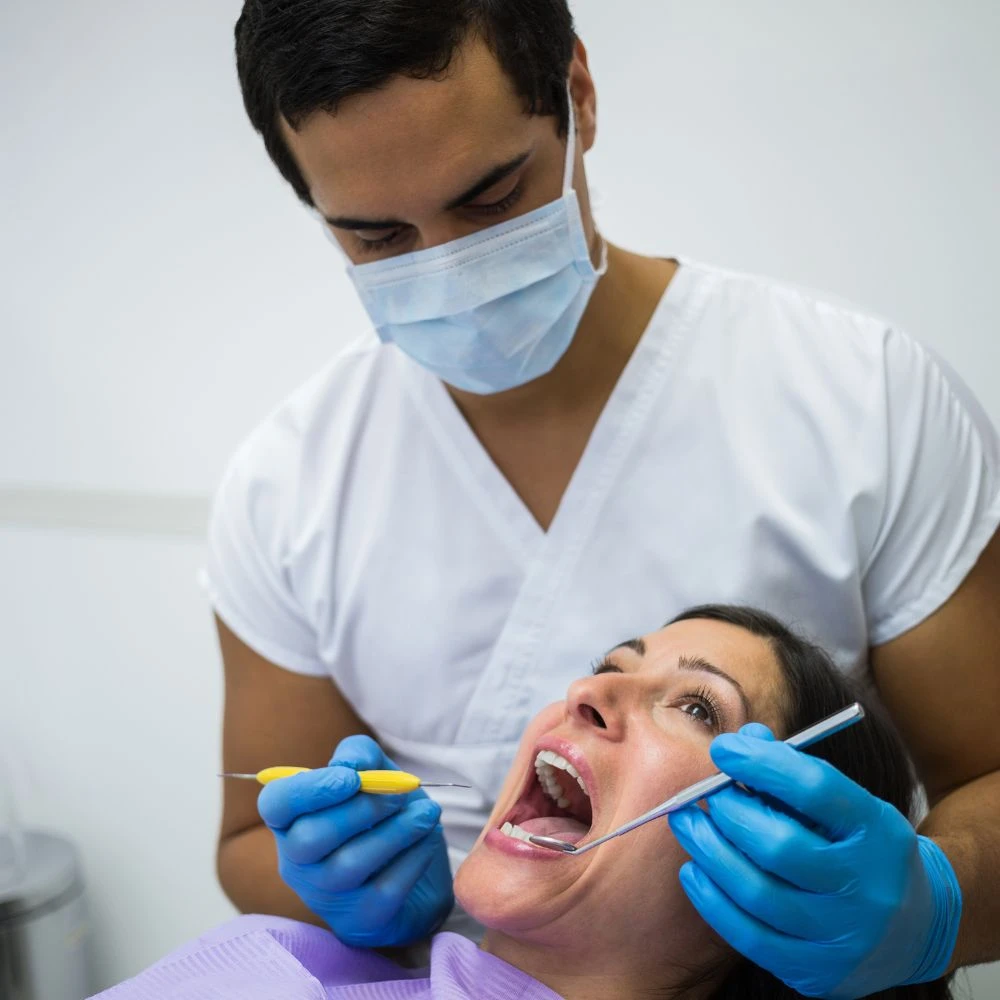
Parents understandably worry about their child’s dental experience — but the early years are crucial for building lifelong habits. Pediatric dentistry focuses on prevention, gentle care, and developing trust. With patient-focused techniques, fun education, and consistent routines, children can grow up comfortable and confident about dental visits. Here’s a practical, parent-tested roadmap to help your child love their dentist.
Why Early Dental Care Matters
Early dental visits establish a baseline for oral health, enable early detection of decay, and allow dentists to advise parents on developmental issues such as thumb-sucking, teething, and bottle use. The American Academy of Pediatric Dentistry recommends that children visit a dentist by their first birthday or within six months of their first tooth — a check that many pediatric-focused practices, including Aviator Dental Hygiene, follow closely.
Preparing for the First Visit
Make the lead-up positive. Read child-friendly books about dentist visits, play “dentist” at home, and avoid conveying your own dental anxieties. Keep language simple and reassuring: use phrases like “counting teeth” or “sparkle cleaning” rather than “drill” or “shot.”
Dress-up role play can familiarize kids with instruments and sounds. Demonstrating brushing and allowing the child to handle a toy toothbrush reduces fear of the unknown.
Choose a Kid-Friendly Dentist and Office
Pediatric dental environments are designed with children in mind — colorful decor, toys, and staff trained in child behavior. A pediatric dentist or a general dentist with pediatric experience will use smaller tools, explain procedures in child-friendly ways, and prioritize comfort. If you’re searching for a practice that emphasizes pediatric comfort and education, clinics like Aviator Dental Hygiene often offer specialized pediatric appointments and guidance.
Build a Positive Home Routine
At-home habits are the pillar of pediatric prevention. Brush twice daily with a smear (for infants) and then a pea-sized amount (for older children) of fluoride toothpaste. Parents should brush young children’s teeth until they have the dexterity to brush effectively on their own (often around age 6–8).
Flossing should begin when two teeth touch. Make brushing fun with music, colorful toothbrushes, or apps that track brushing streaks. Avoid using sweets as rewards — reward bravery and consistency with stickers or extra story time instead.
Preventing Early Childhood Caries (Baby Bottle Tooth Decay)
Baby bottle decay occurs when sugary liquids frequently bathe an infant’s teeth. Avoid putting babies to bed with bottles containing milk, formula, or juice; water is best. Encourage sipping from cups by around 12 months and clean pacifiers and bottle nipples regularly.
Aviator Dental Hygiene Sealants can prevent decay on molars in older children and are an effective preventive measure. Ask them dentist whether sealants are appropriate for your child’s risk profile.
Handling Dental Anxiety in Kids
If a child is scared, use distraction (stories, songs), positive reinforcement, and slow explanations. Avoid forcing or threatening; instead, focus on praise and gradual exposure. Some practices use “tell-show-do” — explain the step, show the instrument, then do the procedure — which reduces fear and builds trust.
For children with special needs or extreme anxiety, sedation options or specialized scheduling (short morning visits when the child is most rested) can help provide comfortable care.
Nutrition and Oral Health for Growing Smiles
Diet affects oral health significantly. Limit sticky snacks and fruit juices. Encourage water and whole foods rich in calcium (yogurt, cheese), phosphorus, and vitamin D. Crunchy fruits and vegetables can help naturally clean teeth and stimulate gums, but brush after sugary snacks.
Make Dental Care a Positive Life Skill
Frame dental visits as part of overall health and self-care. Let the child choose a favorite toothbrush, involve them in appointment scheduling, and celebrate milestones like the first cavity-free checkup. Small rituals build positive associations.
When to See a Dentist Sooner
If you notice white spots, dark lesions, swollen gums, or behavioral signs of pain (trouble sleeping, refusing to eat), schedule an earlier visit.
If you see any white, red, or mixed red and white patches inside the mouth ornon-healing sore or ulcer in the mouth or on the lip, you can contact Aviator Dental Hygiene’s Oral Cancer Screening.
Early intervention prevents progression and reduces the need for invasive treatment.
Final Word
Pediatric dentistry aims to protect and educate, not frighten. Early, gentle experiences, consistent home care, and a child-friendly dental practice create a pathway to lifelong oral health. If you’re looking for a pediatric-friendly dental home, many families find supportive care and clear guidance at practices such as Aviator Dental Hygiene, where prevention and positive experiences are prioritized.


























Sign in to leave a comment.