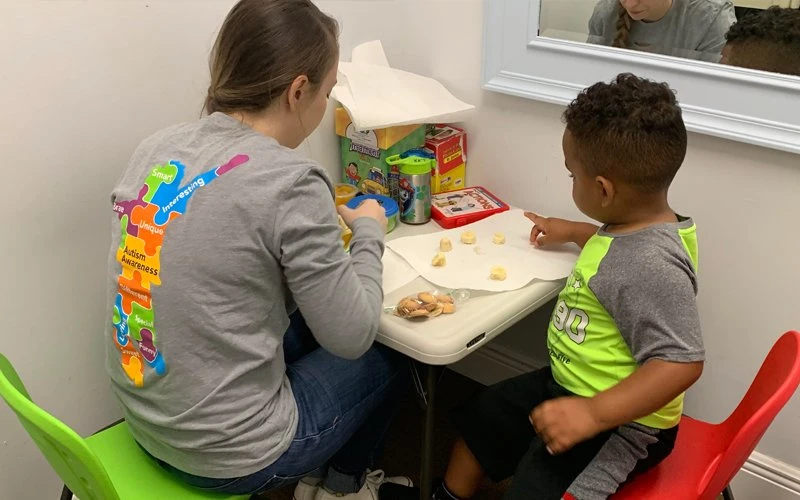

Pediatric feeding therapy is a specialized form of therapy aimed at addressing feeding difficulties in children. It focuses on helping children develop healthy eating habits and improve their overall nutrition. This article explores the role of pediatric feeding therapy and how it can benefit children and their families.
What is Pediatric Feeding Therapy?
Pediatric feeding therapy is a specialized area of therapy that addresses feeding difficulties in children. These difficulties may include challenges with eating, swallowing, or mealtime behaviors. Pediatric feeding therapists work with children and their families to address these challenges and promote healthy eating habits.
The Role of a Pediatric Feeding Therapist
A pediatric feeding therapist is a healthcare professional, often an occupational therapist or speech-language pathologist, with specialized training in feeding therapy. They assess the child's feeding difficulties and develop a personalized treatment plan to address them. This plan may include:
Oral motor exercises to improve swallowing and chewing.Sensory integration techniques to address aversions to certain textures or tastes.Behavioral strategies to address mealtime behaviors and promote positive eating experiences.Benefits of Pediatric Feeding Therapy
Pediatric feeding therapy can have numerous benefits for children and their families, including:
Improved nutrition and growth.Increased variety in the child's diet.Reduced stress and anxiety related to mealtimes.Improved feeding skills and independence.How to Find a Pediatric Feeding Therapist
Parents can find pediatric feeding therapists through hospitals, clinics, or private practices. It's essential to find a therapist who has experience working with children and is knowledgeable about pediatric feeding issues.
Conclusion
Pediatric feeding therapy plays a crucial role in helping children develop healthy eating habits and overcome feeding difficulties. By working with a pediatric feeding therapist, children and their families can address feeding challenges and improve their overall nutrition and well-being.













Sign in to leave a comment.