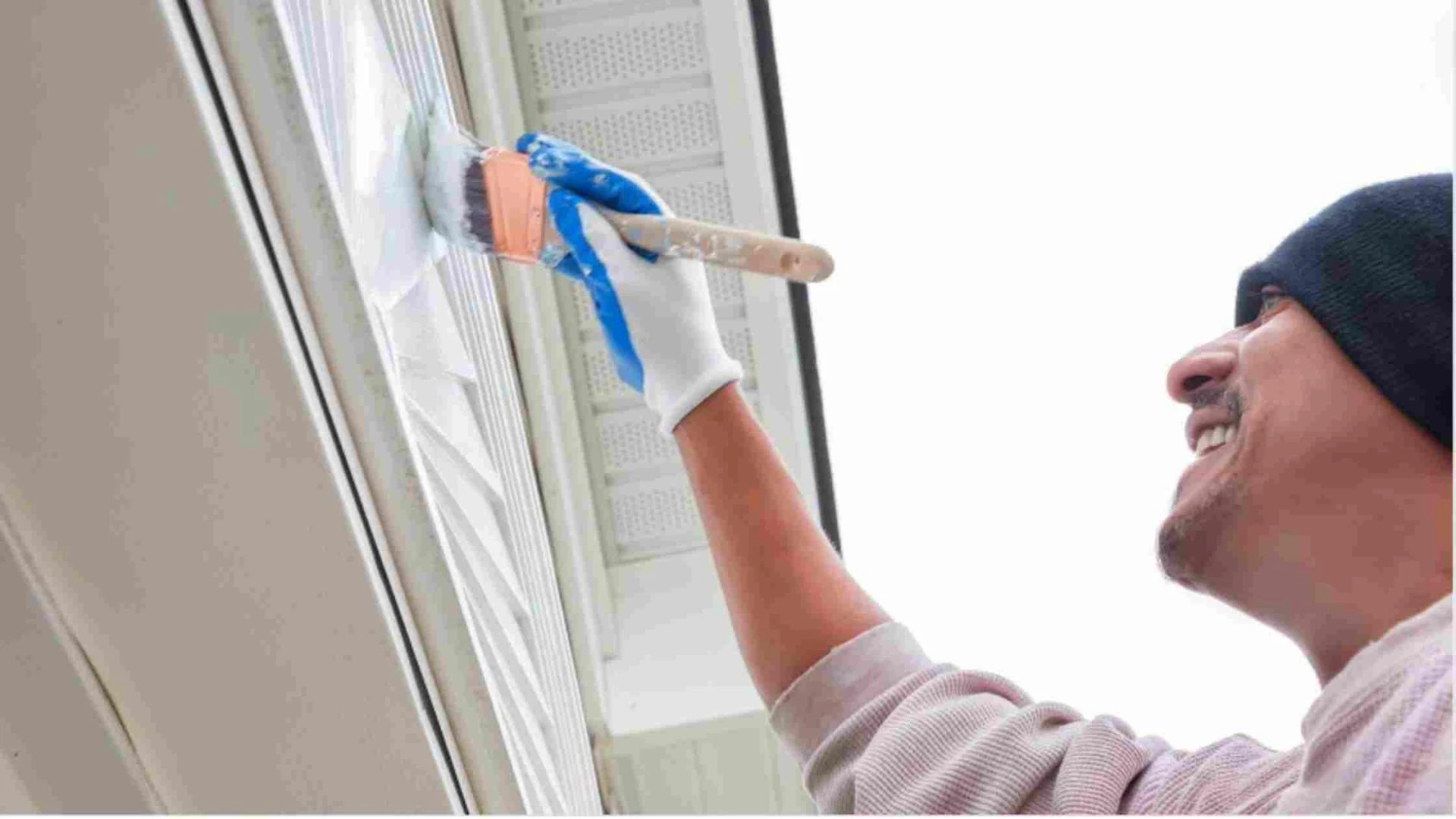

Exterior painting is an essential part of home maintenance that not only enhances curb appeal but also protects surfaces from the elements. When planning an exterior paint job, one crucial question often arises: How long does it take for exterior paint to dry? Understanding the drying time is vital to ensure a smooth, flawless finish and long-lasting results. This article will guide you through the various factors affecting drying time, tips for faster drying, and how to achieve the perfect paint finish for your home.
The Importance of Drying Time in Exterior Painting
Drying time is a critical factor in any painting project, especially exterior painting. The drying process affects the paint\'s adhesion, durability, and appearance. Rushing the drying time can lead to smudges, poor finish, and reduced longevity of the paint job. Conversely, waiting the appropriate amount of time allows the paint to set properly, ensuring a professional and polished look.
Understanding Paint Types and Their Drying Times
Different types of exterior paints have varying drying times. Latex paints, also known as water-based paints, are popular for their quick drying times and ease of use. Typically, latex paint can dry to the touch within an hour, but it requires up to 4 hours to be ready for a second coat. Oil-based paints, on the other hand, take longer to dry. They can take up to 8 hours to dry to the touch and require a full 24 hours before recoating. The type of paint you choose significantly influences the overall timeline of your project.
Factors Influencing Exterior Paint Drying Time
Several factors can affect how long it takes for exterior paint to dry:
1. Temperature
The ideal temperature for drying exterior paint is between 50°F and 85°F. Paint dries faster in warm conditions, but excessive heat can cause the paint to dry too quickly, leading to cracks and poor adhesion.
2. Humidity
High humidity levels slow down the drying process because the moisture in the air prevents the paint from evaporating efficiently. On the other hand, low humidity speeds up drying time.
3. Sunlight
Direct sunlight can accelerate drying times but may also cause the paint to dry unevenly. Painting in indirect sunlight or on a cloudy day can help achieve a more uniform finish.
4. Wind
A gentle breeze can help paint dry faster by promoting evaporation. However, strong winds can cause debris to stick to the wet paint, ruining the finish.
5. Surface Type
Porous surfaces like wood absorb more paint, which can slow down drying time. Smooth surfaces like metal or previously painted surfaces dry faster as they do not absorb as much paint.
6. Thickness of the Paint Layer
Applying thick layers of paint takes longer to dry compared to thin, even coats. Multiple thin coats ensure a better finish and faster drying times.
Preparing for a Successful Exterior Paint Job
Preparation is key to a successful paint job. Here are some steps to ensure optimal results:
1. Surface Preparation
Clean the surface thoroughly to remove dirt, mold, and old paint. Use a pressure washer for large areas and a scrub brush for smaller sections.
2. Repair and Prime
Fill in any cracks or holes with a suitable filler and sand the surface smooth. Apply a primer to ensure better paint adhesion and a uniform finish.
3. Choose the Right Paint
Select high-quality exterior paint suitable for your climate and surface type. Consult with a paint specialist if you\'re unsure about the best option for your project.
Tips for Faster Drying Times
If you need to expedite the drying process, consider these tips:
1. Optimal Weather Conditions
Plan your painting project during favorable weather conditions with moderate temperatures and low humidity.
2. Use Fans or Heaters
Using fans to circulate air or heaters to maintain a warm temperature can help speed up drying times.
3. Apply Thin Coats
Thin coats of paint dry faster than thick ones. Apply multiple thin layers rather than one thick layer.
4. Start Early
Begin painting early in the day to take advantage of maximum daylight and optimal temperatures.
Common Mistakes to Avoid
To achieve the best results, avoid these common painting mistakes:
1. Skipping Primer
Primer helps paint adhere better and last longer. Skipping this step can lead to peeling and poor coverage.
2. Painting in Extreme Conditions
Avoid painting in very hot, cold, or humid conditions as it affects drying times and paint performance.
3. Rushing the Process
Allow adequate drying time between coats to ensure a durable and flawless finish.
How to Test if Paint is Dry
To determine if your exterior paint is dry, perform these simple tests:
1. Touch Test
Lightly touch the paint in an inconspicuous area. If it feels dry and doesn\'t leave a mark on your finger, it\'s likely dry to the touch.
2. Nail Test
Gently press your fingernail into the paint. If it leaves an indentation, the paint needs more time to dry.
3. Tape Test
Apply a piece of painter’s tape to the painted surface and then remove it. If paint comes off with the tape, it is not fully dry.
Final Coats and Finishing Touches
Once the initial layers are dry, apply the final coat of paint. Ensure even coverage and avoid over-brushing, which can cause streaks. After the final coat, allow sufficient time for the paint to cure completely, which can take several days to a few weeks, depending on the conditions and paint type.
Long-Term Maintenance Tips
To maintain your exterior paint job and keep it looking fresh, consider the following tips:
1. Regular Cleaning
Clean your exterior surfaces annually to remove dirt, mildew, and grime.
2. Inspect for Damage
Regularly inspect your paint job for signs of damage, such as cracks or peeling, and address issues promptly.
3. Touch-Up Painting
Perform touch-up painting as needed to maintain the appearance and protection of your exterior surfaces.
Conclusion
Achieving the perfect finish for your exterior paint job requires patience, preparation, and an understanding of various factors that influence drying time. By considering the type of paint, weather conditions, and proper application techniques, you can ensure a durable and beautiful paint job that enhances your home\'s appearance and protects it from the elements. Remember, how long does it take for exterior paint to dry depends on multiple factors, so plan accordingly and follow best practices for the best results. With careful attention to detail, your exterior painting project will stand the test of time and continue to impress for years to come.



















Sign in to leave a comment.