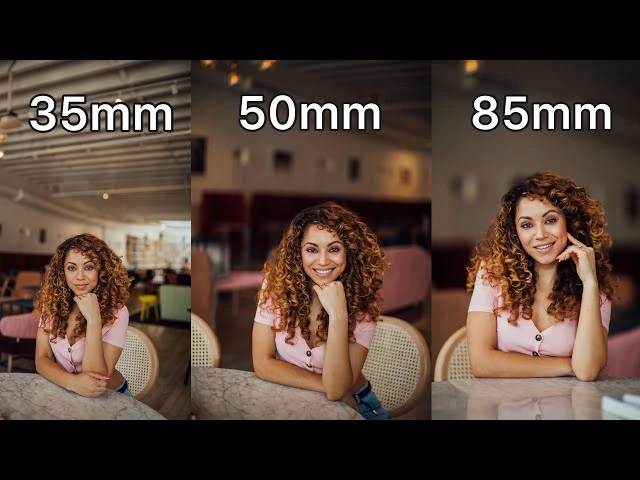

A Comprehensive Guide to Capturing Stunning Portraits
Portrait photography remains one of the most rewarding and technically demanding genres in the photographic arts. The ability to capture authentic human emotion, reveal personality through visual storytelling, and create images that resonate with viewers requires more than just camera skill—it demands the right optical tools that complement your artistic vision while delivering technical excellence.
As we navigate through 2026, the portrait photography landscape continues evolving with advancing camera technology, changing aesthetic preferences, and expanding creative possibilities. Yet despite these innovations, fundamental principles of portrait optics remain remarkably consistent. Understanding which lens characteristics contribute to flattering, engaging portraits helps photographers make informed decisions that elevate their work from snapshots to compelling visual narratives.
This comprehensive exploration examines what makes certain lenses ideal for portrait photography, analyzing focal length considerations, aperture requirements, optical characteristics, and practical handling properties. Whether you're a professional portrait photographer serving clients, an enthusiast developing your skills, or someone transitioning from other photographic genres, this guide provides the knowledge necessary to select portrait lenses that match your creative aspirations and technical requirements.
Understanding Portrait Photography Fundamentals
Before examining specific lens recommendations, it's valuable to consider what distinguishes portrait photography from other photographic disciplines and how these unique requirements influence lens selection. Portrait photography centers on revealing human character, emotion, and personality through carefully composed images that flatter subjects while maintaining authenticity.
The relationship between photographer and subject creates unique dynamics that impact both shooting process and final results. Unlike landscape or architectural photography where subjects remain static and patient, portrait work requires managing human comfort, capturing fleeting expressions, and working within the sometimes limited attention spans of subjects. These practical considerations favor certain lens characteristics that facilitate efficient, comfortable shooting sessions.
Perspective distortion represents one of the most critical technical considerations in portrait lens selection. Lenses used too close to subjects create unflattering exaggeration of facial features, particularly noses and foreheads. This distortion occurs not because of inherent lens flaws but due to the geometric relationship between lens, subject, and camera sensor. Maintaining appropriate working distance between camera and subject requires focal lengths that allow comfortable spacing while filling the frame with compositional intent.
Background management separates amateur snapshots from professional portraits. The ability to control how backgrounds render—whether sharply detailed to provide environmental context or beautifully blurred to isolate subjects—gives photographers creative control over viewer attention and compositional hierarchy. This background control depends heavily on lens aperture, focal length, and the resulting depth of field characteristics.
The Classic 85mm Portrait Perspective
Among portrait photographers worldwide, the 85mm focal length has achieved near-legendary status as the quintessential portrait lens. This focal length strikes an ideal balance between working distance, perspective rendering, and subject isolation that flatters human subjects while remaining practical for various shooting scenarios.
The perspective compression of 85mm lenses produces flattering facial proportions that subjects and viewers alike find appealing. Features maintain natural relationships without the exaggerated prominence that wider lenses create or the extreme flattening that much longer telephotos impose. This natural rendering makes 85mm particularly suitable for headshots, professional portraits, and any scenario where accurate, flattering facial representation matters.
Working distance at 85mm allows comfortable interaction between photographer and subject. Positioned approximately eight to twelve feet from subjects for head-and-shoulders compositions, photographers can easily communicate direction, maintain eye contact, and create the relaxed atmosphere that yields authentic expressions. This distance prevents the invasive feeling subjects experience when photographers work too closely while avoiding the disconnection that excessive distance creates.
Background compression at 85mm creates beautiful subject isolation even when using moderate apertures. The combination of focal length and typical working distance naturally renders backgrounds with reduced depth of field compared to wider lenses at similar apertures. This characteristic allows photographers to achieve pleasing background blur without necessarily requiring the fastest, most expensive glass, though wider apertures certainly enhance this effect.
The 85mm focal length works beautifully for full-length portraits when shooting space permits. Moving farther from subjects to include full-body compositions maintains the flattering perspective compression while providing elegant proportions from head to toe. This versatility makes 85mm useful beyond just headshot work, handling engagement sessions, fashion photography, and editorial portraiture with equal competence.
Fast Apertures for Creative Control
Maximum aperture specifications significantly influence both creative possibilities and practical shooting capabilities in portrait photography. Fast lenses—those with maximum apertures of f/1.4, f/1.8, or f/2—offer advantages that extend beyond simple light-gathering ability, though low-light performance certainly matters for indoor and evening portrait sessions.
Shallow depth of field achievable with wide apertures creates the coveted background blur that immediately signals professional portrait work. At f/1.4 or f/1.8, depth of field becomes razor-thin, rendering everything except the focused subject area into soft, creamy abstraction. This extreme subject isolation directs viewer attention precisely where intended while eliminating background distractions that compete for visual attention.
Bokeh quality—the aesthetic character of out-of-focus areas—varies significantly between lens designs and becomes particularly apparent at wide apertures. Superior bokeh exhibits smooth, gradual transitions from focused to unfocused areas without harsh edges or distracting patterns. Background light sources transform into soft, circular orbs that add visual interest without distraction, creating the polished aesthetic associated with professional portrait photography.
Low-light capability provided by fast apertures enables shooting in challenging lighting conditions without resorting to high ISO settings that compromise image quality. Indoor portraits during window-light sessions, outdoor portraits during golden hour's fading light, and evening environmental portraits all benefit from lenses that gather maximum available light while maintaining image quality standards.
Creative flexibility represents perhaps the most valuable aspect of fast-aperture lenses. The ability to shoot wide open for maximum background blur or stop down for increased depth of field when environmental context matters gives photographers compositional control that slower lenses simply cannot match. This versatility allows responsive adaptation to changing shooting scenarios without lens changes that interrupt workflow and subject rapport.
The Versatile 50mm Option
While 85mm dominates traditional portrait discussions, the 50mm focal length offers compelling advantages for certain portrait styles and shooting scenarios. Often called the "normal" focal length for its similarity to human vision perspective, 50mm provides unique benefits that make it worthy of consideration in any portrait photographer's kit.
The natural perspective of 50mm creates images that feel familiar and comfortable to viewers. Without the compression of longer telephotos or the expansion of wide angles, 50mm renders spatial relationships and proportions in ways that closely match how humans perceive the world. This quality makes it particularly suitable for environmental portraits where showing subjects within their surroundings tells more complete stories than isolated headshots.
Wider field of view compared to 85mm allows including more environmental context when shooting in the same physical space. Studio photographers working in smaller rooms, location shooters capturing subjects within meaningful environments, and street portrait photographers documenting people within urban contexts all benefit from this additional coverage. The ability to show subjects in relation to their surroundings adds narrative depth that pure headshots cannot convey.
Closer working distance required for similar subject framing creates more intimate shooting dynamics. Some photographers prefer this closer proximity, finding it facilitates better communication and connection with subjects. The shorter distance also proves advantageous when shooting in confined spaces where backing up to achieve proper framing with longer lenses becomes impossible.
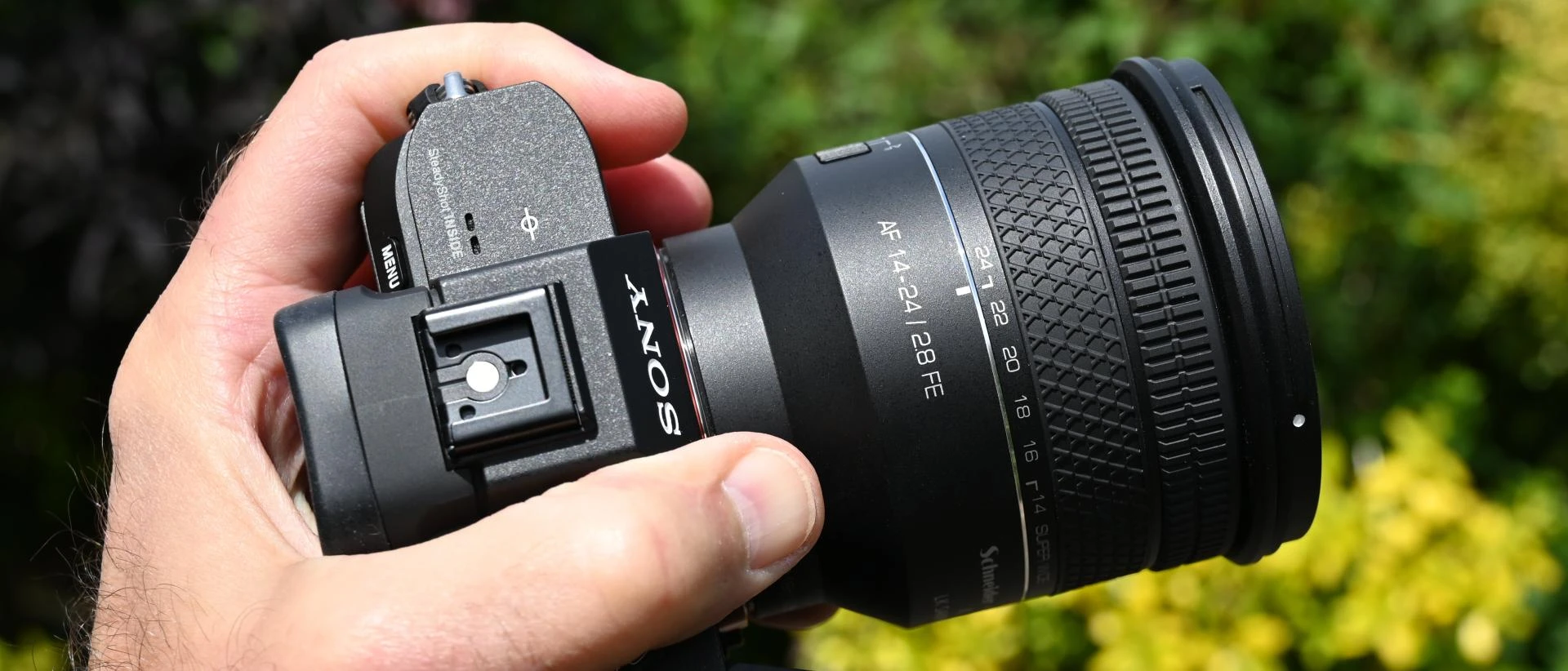
For photographers exploring different focal length options and their creative applications, experimenting with various perspectives helps identify which focal lengths best match individual shooting styles. The samyang 35mm 1.4 price in pakistan demonstrates how accessible professional-grade prime lenses have become, enabling photographers to build comprehensive lens collections without prohibitive financial barriers.
Fast 50mm lenses typically cost less than equivalent 85mm options while maintaining comparable image quality and build standards. This affordability makes 50mm an attractive entry point for photographers beginning their journey into fast-aperture prime lens photography. The money saved versus longer, faster lenses can fund lighting equipment, backdrops, or other accessories that expand creative possibilities.
The 35mm Environmental Portrait Approach
Moving wider to 35mm shifts portrait photography into environmental storytelling territory where context and setting play supporting but important roles in final compositions. While 35mm requires careful technique to avoid unflattering perspective distortion, skilled photographers leverage this focal length for compelling portraits that balance human subjects with meaningful surroundings.
Environmental context provided by 35mm adds narrative layers unavailable with tighter headshot perspectives. Photographing a chef in their kitchen, an artist in their studio, a musician with their instruments, or any subject within settings that reveal aspects of their identity creates richer, more informative portraits than decontextualized headshots. This storytelling capability makes 35mm valuable for editorial, documentary, and lifestyle portrait work.
The wider perspective demands more careful compositional consideration regarding subject placement within the frame. Unlike longer lenses where subjects naturally dominate compositions, 35mm requires deliberate decisions about how much environmental space to include and where subjects sit within that broader context. This compositional challenge develops photographers' visual thinking skills while producing more complex, layered images.
Working distance at 35mm brings photographers quite close to subjects, typically within three to five feet for waist-up compositions. This proximity creates intimate dynamics that work well for subjects comfortable with close photographer presence but may feel invasive for others. Reading subject comfort levels and adjusting approach accordingly becomes particularly important when working at wider focal lengths.
Distortion management requires technical awareness when shooting portraits at 35mm. Keeping subjects near frame center minimizes perspective distortion, while edge placement exaggerates features nearest the camera. Understanding these characteristics allows intentional use of distortion for creative effect when appropriate while avoiding unflattering results during straightforward portrait sessions.
Optical Quality Considerations
Beyond focal length and maximum aperture, various optical characteristics influence how lenses perform in real-world portrait photography scenarios. Understanding these qualities helps photographers evaluate lenses based on actual shooting requirements rather than purely technical specifications that may not impact practical results.
Sharpness across the aperture range matters differently in portrait work compared to landscape or product photography. While edge-to-edge sharpness at maximum aperture impresses in lab tests, portrait photographers typically prioritize excellent center sharpness where subjects' eyes sit while accepting softer edges that contribute to subject isolation. Most quality portrait lenses achieve outstanding center sharpness even wide open, becoming exceptionally sharp across the frame when stopped down slightly.
Chromatic aberration control separates quality optics from budget alternatives. This optical flaw creates color fringing along high-contrast edges, appearing most prominently around backlit subjects or when shooting toward bright backgrounds. Well-corrected lenses minimize chromatic aberration, producing clean images that require minimal post-processing correction. While modern editing software handles chromatic aberration easily, starting with cleaner files saves time and maintains maximum image quality.
Vignetting characteristics influence portrait aesthetics in ways some photographers embrace while others correct. Natural light falloff toward frame corners draws attention toward frame center where subjects typically sit, creating a subtle spotlight effect many find flattering. Excessive vignetting becomes distracting and may indicate optical weaknesses, but moderate corner darkening often enhances rather than detracts from portrait compositions.
Color rendition varies subtly between lens designs and manufacturers, with some producing slightly warmer tones while others render more neutral or cooler. These color characteristics become particularly apparent when photographing skin tones, where subtle color shifts affect how flattering images appear. Testing lenses with actual portrait subjects reveals color tendencies more accurately than shooting test charts or landscapes.
Autofocus Performance in Modern Portrait Work
Contemporary portrait photography increasingly demands reliable autofocus performance, particularly when shooting moving subjects, working at shallow depth of field, or capturing candid moments during lifestyle sessions. Understanding autofocus capabilities helps ensure selected lenses match shooting style requirements and camera body capabilities.
Eye detection autofocus has revolutionized portrait photography by ensuring critical focus lands precisely on subjects' eyes regardless of composition or focus point selection. Modern mirrorless cameras combined with lenses offering fast, accurate autofocus motors maintain sharp eyes even when subjects move within the frame or when photographers recompose between shots. This technology particularly benefits photographers shooting active subjects like children or capturing candid moments during lifestyle sessions.
Focus accuracy at wide apertures becomes critical when depth of field measures mere millimeters. Missing focus by even tiny amounts at f/1.4 renders entire portraits soft, wasting both the shooting opportunity and the capabilities of expensive fast glass. Lenses with accurate, repeatable autofocus systems ensure consistent results across varied shooting scenarios without the frustration of frequent focus misses.
Manual focus override allows fine-tuning autofocus results without switching modes or adjusting camera settings. This capability proves valuable when autofocus locks on slightly behind or in front of intended focus planes, allowing quick manual adjustment to nail focus precisely. Smooth manual focus ring operation with appropriate resistance enables these minor corrections without overshooting intended focus positions.
Low-light autofocus performance determines whether lenses remain useful during evening sessions, indoor shoots with ambient light, or any scenario with limited illumination. Lenses that confidently acquire focus in dim conditions expand shooting possibilities while those that hunt frustratingly or refuse to lock focus at all limit when and where productive photography can occur.
Building a Portrait Lens Collection
Developing a comprehensive portrait lens kit requires strategic thinking about focal length coverage, budget allocation, and typical shooting scenario requirements. Rather than attempting to acquire every recommended focal length immediately, thoughtful progression based on actual needs delivers better results while maintaining financial sustainability.
Starting with a single fast 85mm or 50mm prime establishes immediate professional-level portrait capability while providing time to develop preferences regarding focal length and shooting style. Real shooting experience reveals whether you naturally gravitate toward tighter compositions favoring 85mm or environmental approaches suited to 50mm, informing subsequent purchase decisions with practical knowledge rather than theoretical assumptions.
Adding complementary focal lengths expands creative range while handling varied client requirements and shooting scenarios. Photographers primarily using 85mm might add 50mm for environmental variety, while those favoring 50mm could add 85mm for traditional headshot work. This two-lens combination handles the vast majority of portrait scenarios while remaining manageable in terms of kit size and budget impact.
For photographers researching options across different focal lengths and comparing specifications, exploring comprehensive lenses price in pakistan listings helps identify which lenses fit within budget constraints while meeting optical performance requirements. The current market offers unprecedented choice across various price points, making professional-grade portrait photography accessible to photographers at all career stages.
Considering both new and used lens markets expands purchasing power while often delivering optical performance indistinguishable from current production models. Portrait lens technology advances more slowly than camera body technology, meaning well-maintained older lenses frequently perform at professional levels despite their age. This secondary market opportunity allows building comprehensive collections faster than purchasing exclusively new glass.
Practical Shooting Considerations
Technical specifications and optical qualities matter significantly, but practical handling characteristics during actual shooting sessions often determine whether particular lenses become favored tools or rarely-used equipment. Understanding real-world usability factors helps ensure selected lenses match shooting style preferences and typical working conditions.
Physical size and weight impact handling comfort during extended portrait sessions. Larger, heavier lenses deliver excellent image quality but may cause fatigue during multi-hour shoots, particularly when working handheld or moving between setup variations. Balancing optical performance against ergonomic considerations ensures selected lenses remain comfortable throughout typical working sessions rather than causing physical strain that degrades shooting quality.
Weather sealing protects equipment during outdoor portrait sessions where changing conditions might expose gear to moisture or dust. While most portrait photography occurs in controlled environments, location work sometimes encounters unexpected weather that threatens unsealed equipment. Weather-resistant construction adds peace of mind without necessarily adding significant size or weight penalties.
Filter thread size affects compatibility with existing filter collections and determines replacement filter costs. Standardizing on common filter sizes across multiple lenses reduces the number of duplicate filters required, simplifying kit management while reducing accessory expenses. Common sizes like 67mm, 72mm, and 77mm offer abundant filter options at competitive prices.
Lens hood design influences both lens protection and handling characteristics. Well-designed hoods protect front elements from impact while shading glass from stray light that reduces contrast and causes flare. Hoods should attach securely without rotating during handling while remaining easy to remove when shooting scenarios require bare lens operation.
Local Availability and Support Infrastructure
Access to knowledgeable dealers who understand portrait photography requirements adds significant value beyond simple lens transactions. The ability to discuss shooting scenarios, receive informed recommendations, and potentially test lenses before purchase helps photographers make decisions aligned with specific needs and working styles.
Fusion Max camera shop in Lahore serves as the official distributor for LK Samyang products in Pakistan, providing portrait photographers with local access to professional-grade optics backed by manufacturer warranty coverage. Having an established distribution partner ensures product authenticity while facilitating service needs that might arise during ownership.
Local availability matters particularly for photographers who need to inspect physical products before committing to purchases. The ability to handle lenses, evaluate build quality, test autofocus performance with your specific camera body, and assess ergonomic compatibility provides information that specifications alone cannot convey. This hands-on evaluation opportunity helps ensure selected lenses match shooting style preferences and handling requirements.
Technical support availability through official distribution channels provides peace of mind for working professionals whose livelihoods depend on reliable equipment. Questions about compatibility, firmware updates, optimal settings for specific shooting scenarios, or troubleshooting operational issues receive accurate answers from representatives familiar with both products and local market conditions.
Developing Your Portrait Photography Vision
Beyond equipment selection, successful portrait photography requires developing aesthetic sensibilities and technical skills that transform optical capabilities into compelling images. The finest lenses amplify photographic vision but cannot substitute for the artistic development that distinguishes memorable portraits from ordinary snapshots.
Understanding light and how it shapes human faces represents fundamental portrait photography knowledge. The quality, direction, and intensity of illumination dramatically affect how subjects appear, revealing or concealing facial structure, creating mood, and establishing emotional tone. Learning to see and manipulate light—whether natural window illumination, outdoor ambient light, or artificial studio sources—develops the foundation upon which all technical lens capabilities build.
Subject interaction skills often determine whether portrait sessions yield authentic, engaging expressions or stiff, uncomfortable results. Creating environments where subjects relax, feel confident, and express genuine emotion requires interpersonal abilities that complement technical photographic knowledge. These soft skills, developed through practice and conscious effort, often matter more than equipment choices in determining final portrait quality.
Compositional awareness guides decisions about framing, subject placement, background selection, and all visual elements that combine to create coherent images. Understanding classical compositional principles while knowing when to deliberately break them for creative effect develops through studying successful work, experimenting with varied approaches, and critically evaluating your own results.
Post-processing proficiency allows realizing the full potential of raw captures while maintaining natural, believable results. Modern portrait photography typically involves some degree of retouching, from basic exposure and color adjustments to careful skin smoothing and blemish removal. Developing editing skills that enhance without obviously manipulating creates polished, professional results that subjects appreciate.
Conclusion and Moving Forward
Selecting the perfect lens for portrait photography in 2026 requires balancing technical specifications against practical requirements, creative preferences, and budget realities. While certain focal lengths like 85mm have achieved classic status for excellent reasons, the perfect lens ultimately depends on your specific shooting style, typical subjects, and creative vision.
Fast apertures between f/1.4 and f/2 deliver the creative control and low-light capability that serious portrait work demands, though excellent results remain achievable with slightly slower glass when budget constraints require compromise. Optical quality across contemporary lens offerings has reached impressive levels, with even moderately priced options delivering professional results that would have required premium glass in previous decades.
The current Pakistani photography market offers unprecedented access to quality portrait lenses across varied price points through established distribution channels. Brands like Samyang provide professional-grade alternatives to first-party offerings, delivering comparable optical performance at more accessible prices that expand possibilities for photographers at all career stages.
Technical equipment provides the foundation, but memorable portrait photography ultimately flows from artistic vision, technical skill, and human connection. The perfect lens simply enables the expression of photographic vision while the photographer's knowledge, experience, and creative sensibilities determine whether that potential translates into compelling images. Invest in quality glass that matches your needs, then dedicate energy to developing the skills and vision that transform optical capabilities into meaningful portraits that resonate with viewers and satisfy clients.

























Sign in to leave a comment.