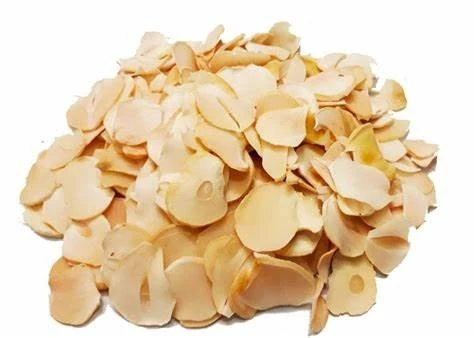

Shallots are becoming a popular alternative to onions for their delicious, mild flavor. But did you know that there are two types of shallot? The common shallot and the Persian shallot. Both offer sweet gourmet flavors, but it can take time to tell them apart as they have many similar characteristics. This blog post looks into these two varieties of shallots in detail to learn how they taste and why one may be preferable in certain culinary applications.
Overview of the Persian Shallot - what makes it unique, and why is it different from other shallots
The Persian shallot, known as the Mooseer, is a small bulb grown in Iran and other Middle Eastern countries. It has a milder flavor than common shallots yet still maintains its distinctive sweet and savory taste. The skin of the Persian onions is also much thinner than that of the common variety and can be easily peeled away.
Unlike the common shallot, with a strong and intense flavor, the Persian shallot is light and sweet. This makes it perfect for use in dishes where you want to add complexity without overpowering other flavors.
What sets apart the common shallot?
The common shallot is a larger, more widely available type of onion. It has a strong, pungent flavor and potent aroma that can be overpowering in some dishes. The tough outer skin must be peeled away before being cooked or eaten raw, as it can taste bitter if not removed.
Nutritional benefits of the Persian Shallot compared to the Common Shallot
1) Persian shallots contain more antioxidants than common shallots. This means they can help protect your body from oxidative damage, inflammation, and diseases.
2) Persian onions are higher in vitamin C than common shallots, which helps support your immune system and promote healthy skin.
3) Common shallots contain higher amounts of calcium and iron than Persian shallots. Calcium is important for bone health, while iron helps keep your blood cells healthy.
4) Persian onions have a lower calorie content than the common variety, making them a great choice for those seeking to lose weight.
5) Persian shallots are a good source of fiber, which can help keep your digestive system regular and promote heart health.
Taste & aroma differences between the two types of shallots
The taste and aroma of the Persian shallot are much softer and milder than that of the common variety. It has a sweet, nutty flavor with subtle hints of garlic and onion. The texture is smooth and creamy when cooked or eaten raw.
In comparison, the common shallot has an intense aroma and strong flavor. Its taste is more intense and has a slight bitterness that comes from its tough skin. The texture is firm yet tender when cooked or eaten raw.
Cooking guidelines for each type of shallot
The Persian shallot is ideal for recipes with a desired sweet, mild flavor. It can be used raw in salads or cooked into dishes like stir-fries, curries, and soups. For best results, lightly cook the shallots to bring out their flavor without burning them.
The common shallot should be cooked longer to soften its intense flavor. It works well in stews, soups, and as a base for sauces. To prevent the shallot from becoming bitter, peel off the skin before cooking.
Tips on how to store each type of shallot for maximum freshness
The Persian shallot should be stored in a cool, dark place and will stay fresh for up to two weeks. To extend the shelf life, they can be wrapped in damp paper towels or placed in an airtight container before refrigerating.
Common shallots last longer when stored in a cool, dry place with good air circulation. To maximize their freshness, wrap them in a paper towel and store them in an airtight container for up to two months.
Conclusion
Choosing the common or Persian onions will depend on your taste preferences and the recipe you are making. No matter which types you choose, they will add delicious flavor to your dishes. The Persian shallot is a great choice for dishes that need an extra layer of complexity, while the common variety adds depth and intensity to foods.











Sign in to leave a comment.