

While you busy perfecting your product or service, your competitors are already building personal brands that people trust more. The truth is, your product might be brilliant but if no one knows the person behind it, they less likely to buy from you.
Today’s customers are smarter then ever. They don’t just blindly trust businesses, instead they looking for authenticity, values and some real human connection. That’s why personal branding has became almost non-negotiable for growing any business today.
In this blog we share 5 powerful personal branding tips we’ve used with clients to strengthen their reputation, build community, and grow business. But first let’s see why personal branding matter so much.
Why Personal Branding is Important for Business
Behind every algorithm, trend or platform are still real people with emotions. Whether it’s your customers, investors or partners – they want to know who you are, what you stand for and why they should even trust you.
Research says:
- 77% customers are more likely to buy from companies where CEO is active on social media.
- 82% people trust companies more when senior executives visible online.
So in short, your personal brand helps you connect emotionally, build credibility and attract more chances. Big names like Anupam Mittal, Raj Shamani, Bhuvan Bam prove how personal branding helps anyone—entrepreneurs, creators or professionals—grow their influence and business.
5 Personal Branding Tips to Grow Your Business in 2025
Here are 5 practical ways you can use to build a strong personal brand this year:
1. Define Your Personal Brand Strategy
Personal branding always starts with clarity. Before you post content, try understand:
- Who you are (your values, skills, story)
- Who audience is (their pain points, dreams, interests)
- Who competitors are (what works for them, what doesn’t)
Just like business branding, your personal brand also need a clear identity—tone, messaging style and even colors if you want some visual consistency. Having a strategy makes sure you stay authentic while still connect with people.
2. Align Personal Branding with Business Branding
Your personal brand and business brand don’t have to be exactly same but they must be cohesive enough.
For example: if your company promote work-life balance but your personal page glorifies 70-hour work weeks, people will call out the contradiction. Audience today quickly catch fake things.
So the goal is: let personal brand amplify your business brand, not go against it.
3. Diversify Your Content
If all you talk is about business, your audience get bored fast. Your personal branding strategy should show both sides—professional and personal.
Some content ideas:
- Educational (tips, insights, expertise)
- Entertaining (funny stories, relatable moments)
- Informational (industry news, trends)
- Personal (behind-the-scenes, hobbies, struggles)
When your audience sees the real you, they connect more deeply. That emotional bond is what turns normal followers into loyal supporters.
4. Focus on Connection Before Conversion
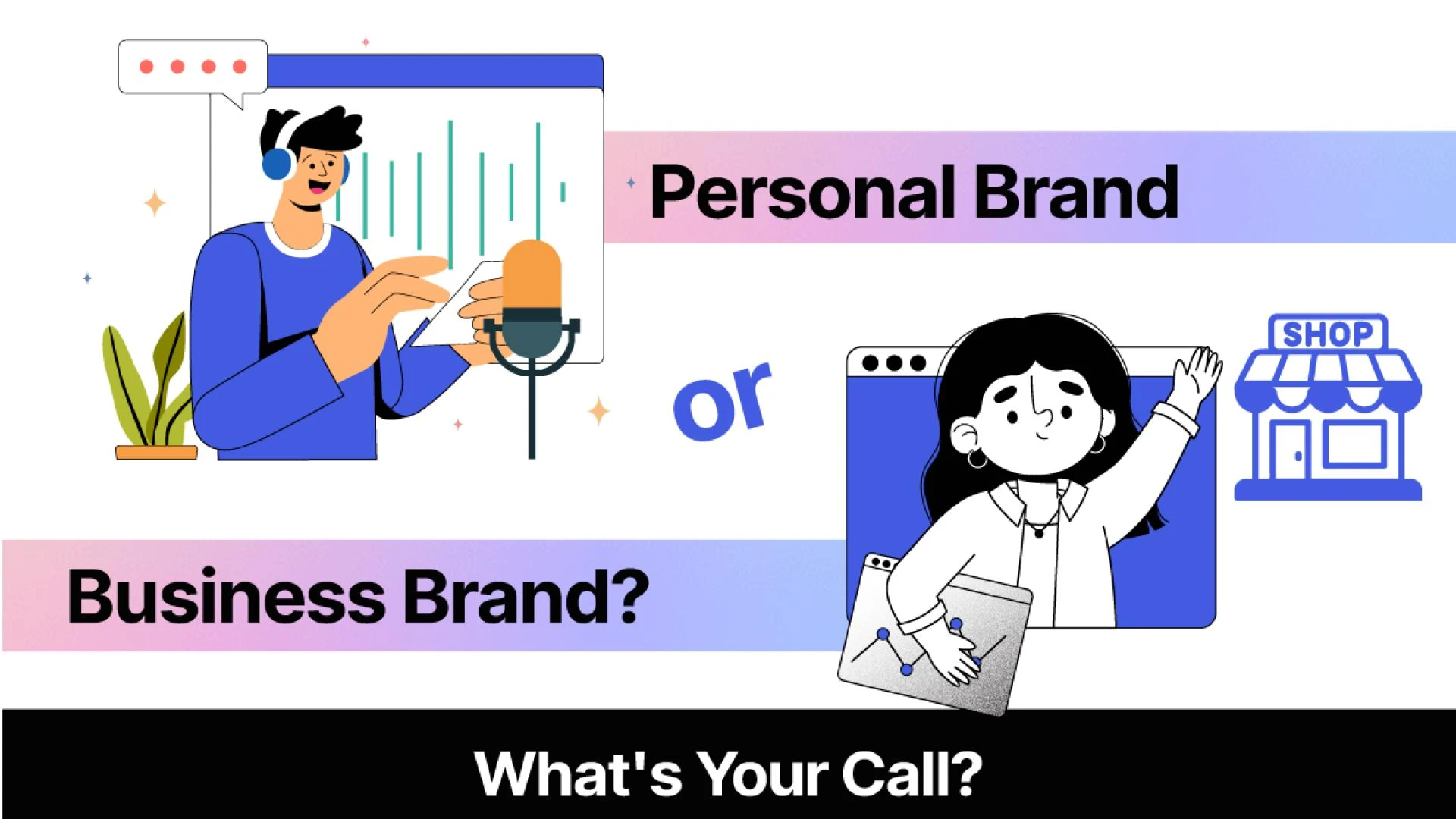
Business branding is usually about sales. But personal branding is about people.
When audience relate to your journey, your values and your personality, they start trusting your business naturally too. Instead of always forcing conversions, focus on community. Share your struggles, wins, candid moments—authenticity sell better then ads.
5. Adapt to Market & Audience Changes
Platforms and trends change all the time. Remember when Facebook was the king? Now Instagram, LinkedIn and TikTok are ahead.
That’s why strong personal brands stay flexible. If your audience move to another platform or format, you also need to follow. Reels, podcasts, newsletters—keep trying new things so you stay relevant.
Also, adjust your branding when your business or even your values change. Consistency matters but growth matter more.
Conclusion
Customers today want to know people behind brands they support. That’s why personal branding isn’t optional anymore—it’s kind of essential. By defining a strategy, aligning personal + business branding, diversifying content, building connection and adapting to change, you can create a personal brand that grow trust and also your business.
At Four Pillars Media Agency, we help entrepreneurs, CEOs and creators build powerful personal branding strategies that connect and convert.
FAQs
1. How do I build a strong personal brand?
Start by knowing your values, audience and goals. Then create content that reflect your expertise and personality while engaging your audience.
2. Why is personal branding important for business?
Because it helps win trust, attract opportunities and build emotional bond with your audience—which later boost sales and growth.
3. What are common mistakes in personal branding?
Copying others, over-promoting yourself, ignoring audience feedback. Authenticity is the key always.
4. Which platform is best for personal branding?
It depend on your industry and audience. LinkedIn, Instagram, YouTube, TikTok are currently the best for building personal brands.
























Sign in to leave a comment.