
Introduction
Defining Personal Identity Insurance
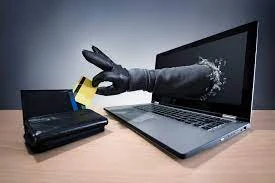
In today's digital world, personal identity insurance is a crucial safeguard against the rising threat of identity theft and fraud. This type of insurance provides financial protection and support services to individuals whose personal information has been compromised.
Importance and Relevance
With increasing data breaches and cyber-attacks, personal identity insurance has become more relevant than ever. It not only offers peace of mind but also provides essential resources for recovery in case of identity theft.
Types and Categories
Individual Policies
Individual policies are tailored to provide coverage for a single person. These policies typically offer a range of services, including credit monitoring, identity restoration, and legal assistance.
Family Policies
Family policies extend coverage to multiple household members. This can be a cost-effective solution for families, ensuring that all members are protected under one plan.
Business Policies
Businesses can also purchase identity theft insurance to protect their employees' personal information. This is especially important for companies handling sensitive data.
Symptoms and Signs
Unusual Account Activity
One of the first signs of identity theft is unusual activity on your financial accounts. This can include unfamiliar charges, withdrawals, or transfers.
Unexpected Bills or Collection Notices
Receiving bills for services, you didn't use, or collection notices for debts you don't owe can indicate that someone has used your personal information to commit fraud.
Denied Credit Applications
Being denied credit unexpectedly is a red flag that your identity may have been compromised. This can happen if someone has used your information to open accounts and default on payments.
Causes and Risk Factors
Data Breaches
Data breaches are a significant cause of identity theft. When companies are hacked, personal information such as Social Security numbers, credit card details, and addresses can be exposed.
Phishing Scams
Phishing scams involve fraudsters pretending to be reputable entities to trick you into giving them your personal information. This can happen through emails, phone calls, or text messages.
Weak Passwords
Using weak or easily guessable passwords increases the risk of identity theft. Strong, unique passwords for each of your accounts are essential for protecting your information.
Diagnosis and Tests
Credit Monitoring Services
Credit monitoring services alert you to changes in your credit report, such as new accounts or hard inquiries. These services can help you detect identity theft early.
Identity Theft Protection Services
These comprehensive services monitor various aspects of your personal information, including your Social Security number, bank accounts, and online presence.
Fraud Alerts and Credit Freezes
Placing a fraud alert or freezing your credit can prevent thieves from opening new accounts in your name. These measures can be effective in protecting your identity.
Treatment Options
Identity Restoration Services
If your identity is stolen, restoration services can help you recover. These services assist with filing police reports, disputing fraudulent charges, and restoring your credit.
Legal Assistance
Some identity theft insurance policies include legal assistance to help you navigate the complex process of recovering your identity and dealing with creditors.
Financial Reimbursement
Many policies offer financial reimbursement for expenses incurred due to identity theft, such as lost wages, legal fees, and the cost of mailing documents.
Preventive Measures
Strong Passwords and Two-Factor Authentication
Using strong, unique passwords for each of your accounts and enabling two-factor authentication can significantly reduce the risk of identity theft.
Regular Credit Report Checks
Regularly checking your credit report can help you spot signs of identity theft early. You are entitled to a free credit report from each of the major credit bureaus annually.
Secure Personal Information
Keep your personal information secure by storing sensitive documents in a safe place and shredding any paperwork that contains personal details.
Personal Stories or Case Studies
Case Study: Recovering from Identity Theft
Meet Jane, a victim of identity theft who managed to recover her identity with the help of a comprehensive identity theft protection service. Her story highlights the importance of quick action and having the right support.
Real-Life Implications
Real-life stories of identity theft victims emphasize the emotional and financial toll that identity theft can take and underscore the importance of having identity theft insurance.
Expert Insights
Advice from Cybersecurity Experts
Cybersecurity experts recommend proactive measures such as using password managers, being cautious with personal information online, and regularly updating security software.
Legal Perspectives
Legal professionals stress the importance of understanding your rights and the steps to take if your identity is stolen. They also highlight the value of having legal assistance through an identity theft insurance policy.
Conclusion
Summary of Key Points
Personal identity insurance is an essential tool in today's digital world. It provides protection, peace of mind, and essential resources for recovery in case of identity theft.
Call to Action
Take steps today to protect your identity. Consider purchasing a personal identity insurance policy and follow preventive measures to safeguard your personal information.










Sign in to leave a comment.