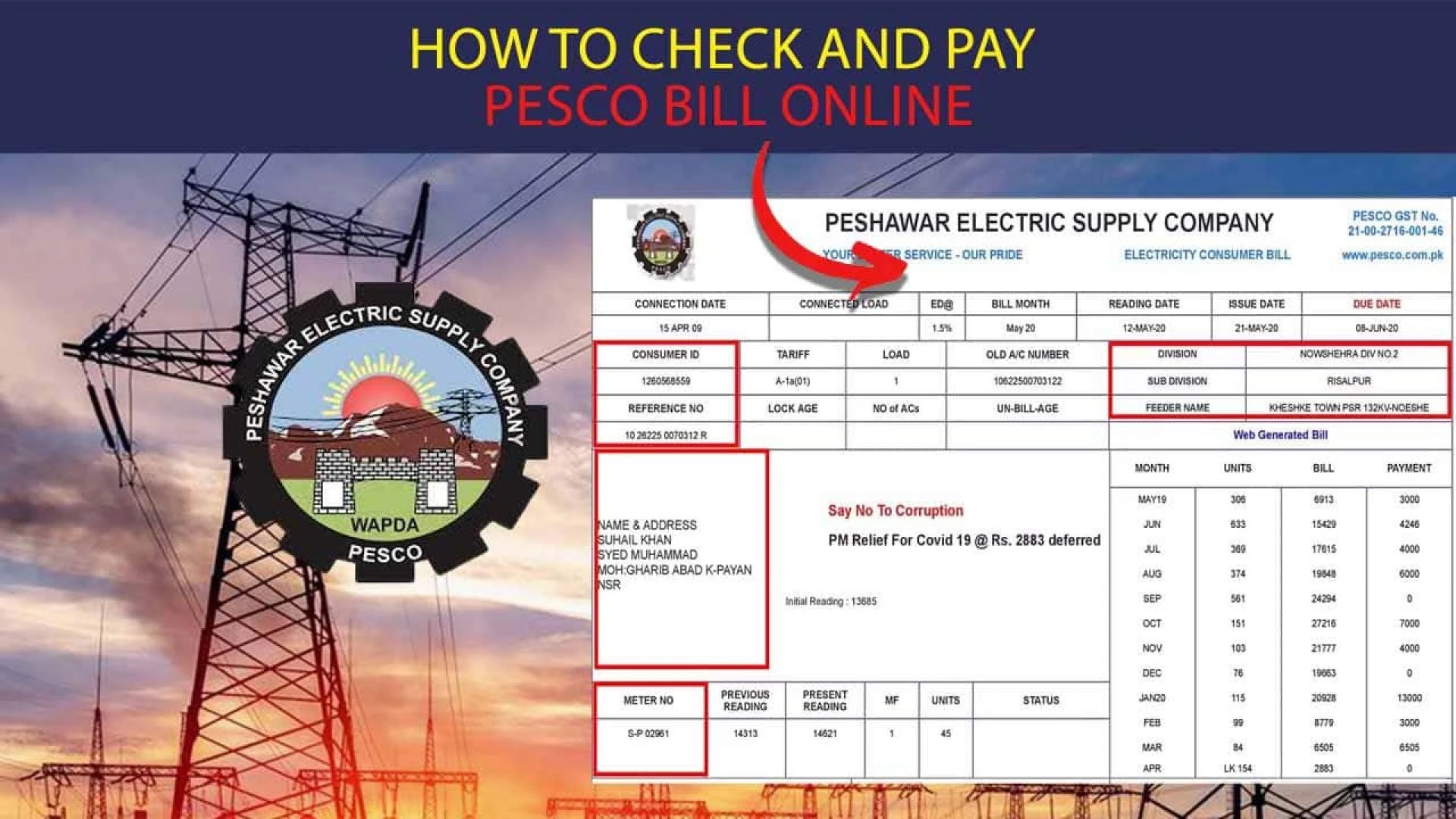

PESCO: Powering Khyber Pakhtunkhwa\'s Progress
The Peshawar Electric Supply Company (PESCO) is a cornerstone of the energy infrastructure in Khyber Pakhtunkhwa (KP), Pakistan. As the primary electricity distribution company in the region, PESCO is pivotal in ensuring that homes, businesses, and industries receive a reliable power supply. This article provides an in-depth look at PESCO, including its history, operational framework, challenges, initiatives, and future prospects.
History and Background
PESCO was established in 1998 after the unbundling of the Water and Power Development Authority (WAPDA). The unbundling aimed to decentralize power distribution and enhance operational efficiency. PESCO inherited the distribution network in KP, along with the responsibility to manage and supply electricity to a vast and diverse consumer base.
Service Area and Consumer Base
PESCO service area spans the entire Khyber Pakhtunkhwa province, divided into eight administrative circles: Peshawar, Khyber, Mardan, Swat, Bannu, Hazara-1, Hazara-2, and D.I. Khan. Each circle is further segmented into subdivisions to manage local distribution effectively. PESCO serves approximately 3.5 million consumers, including residential, commercial, and industrial users.
Operational Framework
PESCO operations involve the management of an extensive network of transmission and distribution lines, substations, and transformers. The company\'s core functions include:
Power Distribution
PESCO purchases electricity from the National Transmission and Despatch Company (NTDC) and distributes it to consumers. This involves managing high-voltage transmission lines that are stepped down to lower voltages suitable for end-users.
Billing and Revenue Collection
Accurate billing and efficient revenue collection are vital for PESCO sustainability. The company employs advanced metering and billing systems to ensure transparency and efficiency.
Customer Service
PESCO prioritizes customer service through dedicated service centers and helplines, addressing consumer grievances, managing new connections, and providing energy conservation guidance.
Maintenance and Repairs
Regular maintenance of the distribution network is crucial to prevent outages. PESCO maintenance teams are responsible for repairing faults, replacing damaged equipment, and conducting preventive maintenance.
Challenges
Despite its essential role, PESCO faces significant challenges:
Power Theft and Line Losses
Power theft and technical losses are major issues. Illegal connections, meter tampering, and outdated infrastructure contribute to high losses, impacting revenue and operational efficiency.
Financial Constraints
PESCO often grapples with financial difficulties due to delayed consumer payments, insufficient tariff rates, and high power purchase costs. These financial constraints hinder the company\'s ability to invest in infrastructure upgrades.
Aging Infrastructure
Much of PESCO infrastructure is old and in need of upgrades. Aging transmission lines, transformers, and substations are prone to faults, leading to frequent outages.
Demand-Supply Imbalance
The demand for electricity in KP often exceeds supply, especially during peak seasons, resulting in load shedding and affecting the quality of life and business productivity.
Initiatives and Improvements
To address these challenges, PESCO has undertaken several initiatives:
Infrastructure Modernization
PESCO is investing in upgrading its distribution network, including transmission lines, transformers, and advanced metering infrastructure to reduce losses and improve reliability.
Anti-Theft Measures
PESCO has implemented strict measures to combat power theft, including tamper-proof meters, regular inspections, and legal action against offenders. Public awareness campaigns educate consumers on the impacts of power theft.
Financial Reforms
To improve financial health, PESCO is enhancing revenue collection strategies, adjusting tariffs, and managing resources more efficiently.
Renewable Energy Integration
PESCO is exploring renewable energy sources such as solar and wind to diversify its energy mix and reduce dependence on conventional power sources.
Customer Service Enhancements
PESCO is enhancing customer service through better-equipped service centers, expanded helpline services, and digital platforms for improved consumer support.
Future Prospects
PESCO\'s future hinges on addressing current challenges and leveraging opportunities for growth:
Smart Grid Technology
Adopting smart grid technology can revolutionize PESCO operations by enabling real-time monitoring, efficient fault detection, and automated response systems, significantly reducing losses and improving service reliability.
Public-Private Partnerships
Collaborations with private sector entities can provide PESCO with additional resources, expertise, and technology for infrastructure development, renewable energy projects, and operational efficiencies.
Capacity Building
Investing in workforce capacity building through training programs, skill development initiatives, and exposure to modern technologies can enhance PESCO service delivery capabilities.
Consumer Engagement
Engaging consumers in energy conservation practices through awareness campaigns and incentives can promote sustainable energy use and reduce demand pressure.
Conclusion
PESCO is integral to the development and progress of Khyber Pakhtunkhwa, ensuring the provision of reliable electricity to millions. Despite facing significant challenges, PESCO ongoing initiatives and future prospects offer hope for a brighter and more sustainable energy future. Through infrastructure modernization, anti-theft measures, financial reforms, renewable energy integration, and customer service enhancements, PESCO is poised to overcome its challenges and continue powering KP with reliable electricity.












Sign in to leave a comment.