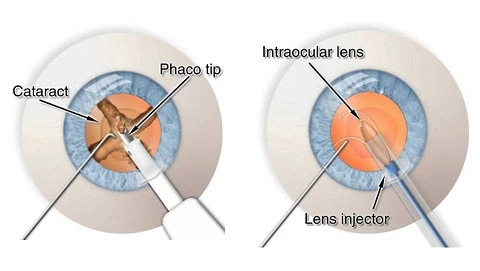

Phacoemulsification is the most common type of cataract surgery performed today. It is a safe and effective procedure, but there are some risks and benefits to consider.
Risks of phacoemulsification surgery:
BleedingInfectionSwellingCorneal damageRetinal detachmentPosterior capsular tearDropped nucleusGlaucomaCystoid macular edemaEndophthalmitisBenefits of phacoemulsification surgery:
Improved visionReduced need for glasses or contact lensesImproved quality of lifeReduced risk of falls and other accidentsOverall, the benefits of phacoemulsification surgery outweigh the risks. However, it is important to be aware of the risks before having the surgery.
Which risks are most common?
The most common risks of phacoemulsification surgery are bleeding, swelling, and corneal damage. These risks are usually minor and resolve on their own within a few days or weeks.
Which risks are most serious?
The most serious risks of phacoemulsification surgery are retinal detachment and endophthalmitis. Retinal detachment is a condition in which the retina separates from the back of the eye. It can cause blindness. Endophthalmitis is an infection inside the eye. It is a rare but serious complication of phacoemulsification surgery.
How can I reduce the risks of phacoemulsification surgery?
There are a few things you can do to reduce the risks of phacoemulsification surgery:
Choose a qualified and experienced surgeon.Follow your surgeon's instructions before and after surgery.Take all medications as prescribed.If you have any questions or concerns about the risks and benefits of phacoemulsification surgery, be sure to talk to your eye doctor.











Sign in to leave a comment.