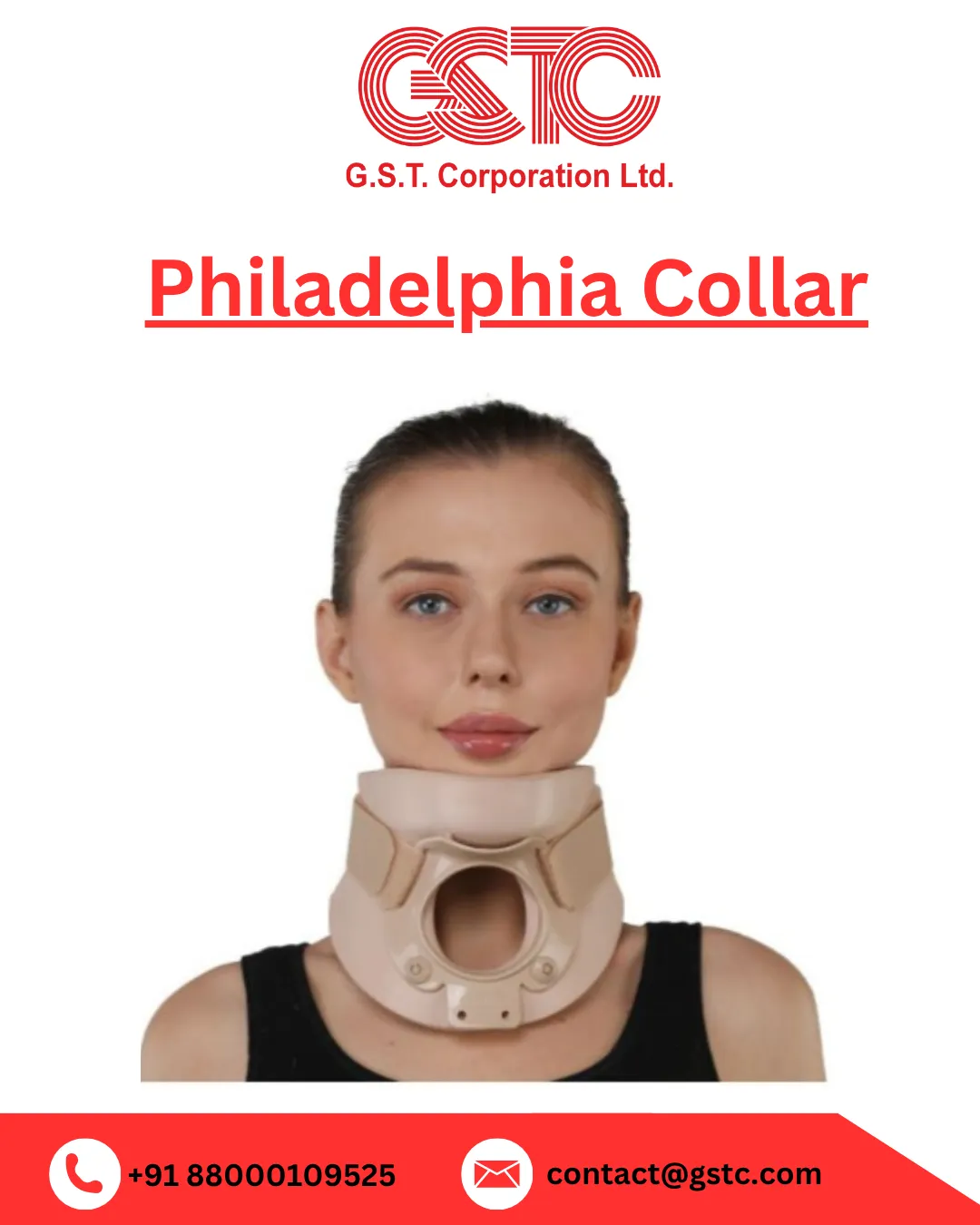

Back in college, one of my professors just stopped showing up to class for several weeks. Everyone was curious because he was always so punctual and active. I was thinking of a cervical collar, but later he told us it’s a Philadelphia collar.
Later, he told us about his experience. He had a long-standing problem with his cervical spine, and after several medical consultations, his doctors advised surgery. The procedure was successful with extra care, as even unnecessary movement of the neck could influence the healing process.
The doctors recommended that he wear a Philadelphia Collar to support and protect his cervical bone during recovery from the surgery he had undergone. He explained how the collar helped to stabilise his neck and relieve the strain on the area that was operated on post recovery.
He used the collar on a regular basis for weeks, following the doctor's instructions. It took him a while to get used to it, but slowly he felt more relaxed and sure of himself doing his daily things. “The most important thing is that the collar gave the support needed for a safe recovery.”
His experience helped me to see the importance of a Philadelphia Collar in today’s healthcare. I have also visited the GSTC's website to know more about the Philadelphia collar. What looked like a simple cervical collar, it was actually performing an important role of protecting the cervical spine, limiting unwanted movement, and helping recovery after surgery.
What Is a Philadelphia Collar?
The Philadelphia collar is a stiff cervical collar that offers immobilisation and support of the cervical spine. It is commonly used to limit the neck range of motion after trauma, surgery, or certain cervical spine conditions. The Philadelphia neck collar offers more stabilisation than a soft cervical collar that provides mild support and comfort, and reduces excessive flexion, extension, and rotational movement of the neck. The collar is usually made of light but strong materials that allow for the comfort of the patient and immobilisation.
Features of Philadelphia Collar
The Philadelphia collar is designed to provide effective support while maintaining patient comfort.
Key features often include:
- Two-piece anterior and posterior design
- Rigid cervical immobilization
- Lightweight construction
- Anatomically contoured shape
- Tracheostomy opening for airway access
- Ventilation holes for improved airflow
- Water-resistant materials
- Easy application and removal
- Comfortable fit for extended wear
These features make the collar suitable for both short-term and extended clinical use.
Specifications of Philadelphia Collar
Although specifications may vary among manufacturers, a standard Philadelphia collar generally includes:
- Medical-grade EVA foam material
- Design with a two-piece design with a tracheostomy opening
- Sizes available in small, medium, large, and pediatric
- Skin-friendly materials
- Compatibility Safe for X-ray, MRI, and CT scan imaging
- ISO 13485 Certified, CE Marked
- Durable, easy-to-clean design
Healthcare providers often select collars based on patient requirements, clinical indications, and physician recommendations.
Different Types of Cervical Collars
To accommodate different patient anatomies, cervical collars are commonly available in multiple types.
- Philadelphia Collar (Cervical Collar)
- Collar Soft (Firm Density)
- Cervical Collar Soft with Support
- Cervical Collar soft White
- Cervical Collar soft Regular
Selecting the appropriate type is important for ensuring proper immobilization, patient comfort, and treatment effectiveness.
Why Quality Matters in Cervical Support Devices
Cervical support devices can make a huge impact on patient outcomes in trauma care, orthopaedic treatment, and post-surgical recovery. Hospitals and healthcare facilities, therefore, look for products that offer reliable support, durability, and comfort for patients.
Healthcare buyers usually consider the following when choosing cervical collar suppliers:
- Manufacturing standards for quality
- Reliability of products
- Quality of material
- Clinical outcomes
- Legal compliance
- Supply chain durability
- Features of Customer Support
Reliable products allow health care providers to continue providing quality patient care and safety standards.
Benefits of Working with Philadelphia Collar Manufacturers & Exporters
Healthcare distributors, procurement teams, and medical equipment suppliers often prefer experienced Philadelphia collar manufacturers & exporters due to their consistent product quality and reliable supply.
Key advantages include:
- Consistent manufacturing standards
- Bulk supply capabilities
- International distribution experience
- Quality assurance processes
- Long-term business support
These factors make experienced manufacturers valuable partners for health care procurement programs.
Conclusion
The Philadelphia collar remains one of the most popular cervical supports used to stabilise the neck and protect the cervical spine. The collar aids healthcare professionals in providing effective support and promoting patient recovery, whether applied post-surgery, during rehabilitation, or after trauma.
A trusted manufacturer and exporter of healthcare products, GST Corporation has earned a niche for itself among healthcare distributors, hospitals, and overseas buyers looking for trusted medical equipment. As one of the known manufacturers & exporters of Philadelphia collars, the company continues to offer quality-oriented medical solutions that support healthcare professionals and improve patient care in the global markets.


























Sign in to leave a comment.