

The short version: Delhi is colorful, layered, and endlessly photogenic. Shoot the markets of Old Delhi at dawn, Humayun's Tomb and Qutb Minar in late-afternoon light, and Lodhi Garden or India Gate in the early morning mist. Go between October and March, plan four to five days, ask before photographing people, and leave the drone at home.
What's inside
- Why Delhi Is a Photographer's City
- Best Photo Spots
- Best Time to Visit
- How Long to Stay and Where to Base Yourself
- Practical Tips: Visa, Getting Around and Safety
- What to Pack
- Frequently Asked Questions

Many first-time visitors expect Delhi to be overwhelming, and in some ways it is. But for anyone photographing Delhi, that intensity is the point. Rickshaws weave through impossible gaps, marigolds pile up in market stalls, and sixteenth-century tombs sit calmly between busy roads.
This guide covers the best photo spots, the right timing and the practical details that keep a trip smooth. For a longer, more personal account with hotels and food recommendations, see the Delhi Photography Guide.
Why Delhi Is a Photographer's City
Delhi stacks centuries on top of each other. Old Delhi's lanes belong to the Mughal era, while New Delhi's wide, tree-lined avenues carry the stamp of colonial planning. Between them sit monuments, gardens, bazaars and some of the best food in India. You can photograph street life, architecture, food and portraits without leaving the city, and the colors are strong enough that even a quiet corner makes a frame.
Best Photo Spots
Old Delhi and Chandni Chowk
The heart of the city's street photography. The main boulevard is busy, but the best images are in the lanes that branch off it: spice stalls, flower sellers, silver shops and food alleys. Arrive before the crowds, ideally by 7:30 am, when vendors are setting up and the light filters through awnings in soft shafts. A standard zoom handles most scenes, and a short telephoto helps stack layers of people and signs. Walk slowly, make eye contact and ask before photographing anyone up close.

A lane in Old Delhi. Photo: Vito L. Tanzi / Chasing Hippoz
Local help: A guided walking and food tour through Old Delhi is one of the best ways to find the right lanes and get comfortable photographing people. Guides also help with etiquette.
Humayun's Tomb
Completed in 1570, this garden tomb was a forerunner of the Taj Mahal. Its red sandstone and white marble change tone with the light, and the formal garden gives you strong lines and reflections. Stand along the central path to include the garden and the tomb together, shoot wide, and plan to arrive well before sunset so you can work as the light warms. Weekday mornings are quieter if you prefer fewer people.

Humayun's Tomb. Image via Chasing Hippoz Delhi guide
Jama Masjid
Built in the mid-seventeenth century, India's largest mosque has a vast courtyard flanked by two minarets. The most flattering light arrives in the late afternoon, when low sun picks out the texture of the sandstone. Dress modestly, remove your shoes and be mindful of prayers. From the climbable minaret, you can look down on the courtyard and across the rooftops of Old Delhi, although the steps are steep and narrow.
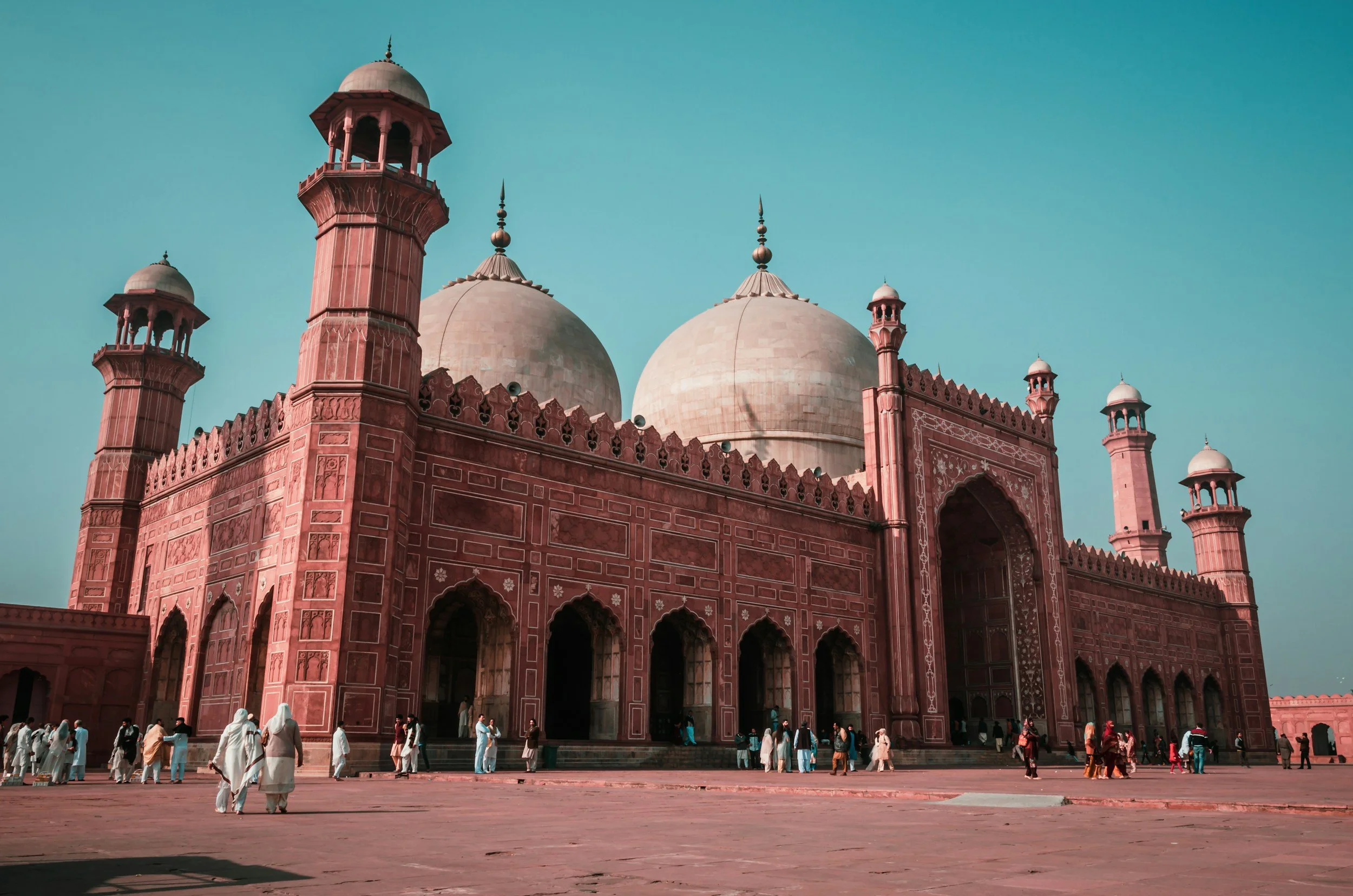
Jama Masjid, Old Delhi. Image via Chasing Hippoz Delhi guide
Lodhi Garden
A calm, green contrast to the rest of the city. Fifteenth- and sixteenth-century tombs sit among mature trees, and on cool winter mornings mist hangs over the lawns. Arrive at sunrise, when joggers and birdwatchers are the only company, and use a standard or wide lens to frame the domes through the trees. The mist burns off fairly quickly, so be early.
India Gate and Kartavya Path
The long ceremonial boulevard is at its best at dawn, when symmetry, haze and pre-sunrise color combine. For the classic composition, shoot from the monument along the axis toward Rashtrapati Bhavan. After dark the monument is lit, so a tripod pays off for long exposures once foot traffic eases. Around Republic Day (January 26), security tightens and parts of the area are restricted.

India Gate, New Delhi. Image via Chasing Hippoz Delhi guide
Qutb Minar
At 73 meters, this is the tallest brick minaret in the world, set in a UNESCO-listed complex of ruins. The tower is wrapped in bands of carved inscriptions, so a telephoto helps pick out abstract detail. Late afternoon light turns the sandstone a warm red, and the nearby Iron Pillar makes a good isolated subject from a low angle. Allow around 90 minutes and check closing times, since the site closes around sunset.
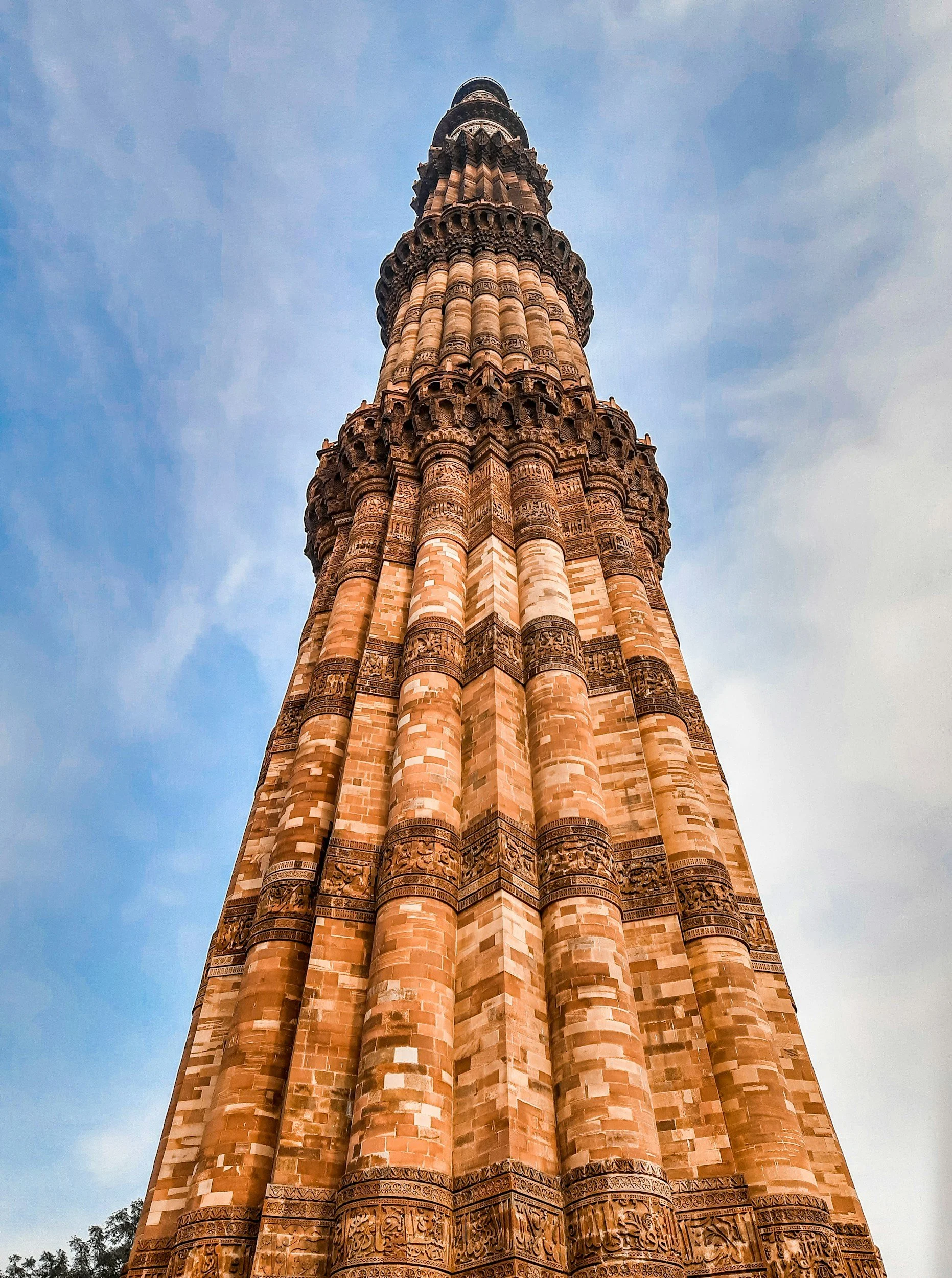
Qutb Minar, Mehrauli. Image via Chasing Hippoz Delhi guide
Delhi at a glance
| Spot | Best for | Best time |
|---|---|---|
| Chandni Chowk and spice market | Street life, color, portraits | 6 to 9 am |
| Humayun's Tomb | Symmetry, golden hour | Late afternoon |
| Jama Masjid | Architecture, courtyard scenes | Late afternoon |
| Lodhi Garden | Mist, tombs, birds | Sunrise |
| India Gate and Kartavya Path | Grand symmetry, night exposures | Dawn and blue hour |
| Qutb Minar | Carved detail, warm stone | Late afternoon |
Best Time to Visit
October to March is the sweet spot: cooler, drier weather and soft winter light. November and December are particularly good, with long warm light and a gentle morning haze. Festivals add variety. Holi, in late February or March, fills the streets with color, and Diwali, in October or November, brings lamps, rangoli and fireworks, though air quality drops. Avoid April to June, when temperatures can be punishing, and expect heavy humidity and occasional flooding from July to September. To compare Delhi with other destinations, browse the best places to go month by month.
How Long to Stay and Where to Base Yourself
Four to five days is a good photographer's pace. Spend one day in Old Delhi, one on the Mughal and Sultanate monuments, one on New Delhi's avenues and gardens, and keep a spare day to revisit whatever pulled you in. Central Delhi, around Connaught Place, Lodhi Colony and India Gate, is a convenient base, putting most sights within a short ride. If you want to be immersed in the old city, a heritage guesthouse in Old Delhi is worth considering.
Practical Tips: Visa, Getting Around and Safety
Visa: Many nationalities can apply for an e-Tourist Visa online. Use only the official Indian visa portal, since lookalike sites charge extra fees, and apply well ahead of travel.
Getting around: The Delhi Metro is clean and efficient, though crowded at peak hours. Ride-hailing apps are predictable, auto rickshaws are good for short hops (agree on the fare first), and a private driver is useful for sunrise and sunset shoots. Old Delhi is best on foot.
Safety and health: Stick to bottled or filtered water, avoid ice outside reputable venues and be careful with street food. Arranging an airport pickup through your hotel avoids most arrival scams, and a local SIM or eSIM helps with maps and rides.
Be respectful: Ask before photographing people, dress modestly at religious sites, and treat prayers in progress as private.
What to Pack
A versatile standard zoom covers most of the city, a wide-angle suits courtyards and monuments, and a short telephoto helps with architectural detail. Bring a compact tripod for blue hour, spare batteries and a lens cloth for the dust and haze. If you are choosing equipment, these gear recommendations are a useful starting point.
No drones: Delhi has many overlapping restricted zones, so leave the drone at home.
Slow down, go early and let the city come to you. Delhi rewards photographers who stay curious.
Frequently Asked Questions
What are the best places to photograph in Delhi?
Old Delhi's markets, Humayun's Tomb, Jama Masjid, Lodhi Garden, India Gate and Qutb Minar are the standouts, each suited to different light.
When is the best time to photograph Delhi?
October to March, with November and December especially good for soft light. Avoid the extreme heat of April to June.
How many days do I need in Delhi?
Four to five days is ideal. Three is possible but rushed.
Is Delhi safe for photographers?
The main tourist and monument areas are generally fine with normal city awareness. Keep gear secure in crowds, use reputable rides and arrange airport transfers in advance.
Can I fly a drone in Delhi?
No. Delhi has many restricted airspace zones, and flying without authorization can lead to serious penalties.
About this guide: Written for travelers who want to spend less time second-guessing and more time somewhere worth photographing. Follow the links in the text to go deeper on the places and techniques mentioned.
















Sign in to leave a comment.