

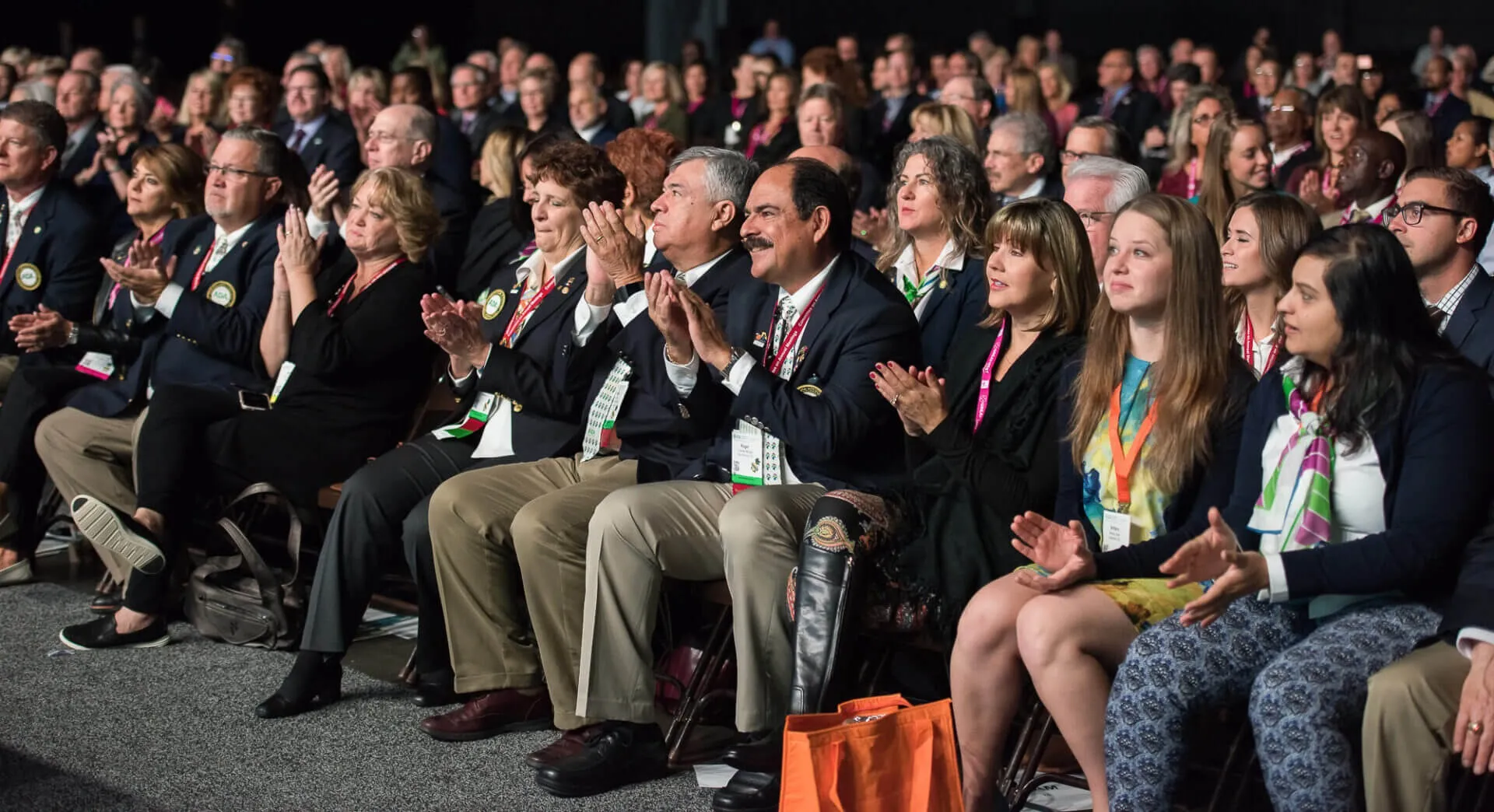
Photography conventions bring together photographers, visual artists, equipment manufacturers, educators, industry professionals, and enthusiasts in one dynamic environment. These events provide opportunities to discover new technology, learn practical techniques, build professional relationships, and gain inspiration from people working across different areas of photography.

Whether someone is an experienced professional or developing photography as a serious interest, attending a convention can offer experiences that are difficult to replicate through online tutorials alone. The combination of demonstrations, discussions, exhibitions, networking, and hands-on learning creates an environment where knowledge and creativity can develop together.
Why Photography Conventions Matter
The photography industry changes continually. Camera systems evolve, editing software becomes more sophisticated, and new approaches to lighting, composition, and visual storytelling emerge regularly.
Photography conventions provide a concentrated way to keep up with these developments. Instead of researching individual products or techniques independently, attendees can often see several options in one location and speak directly with specialists.
Discovering New Equipment
Equipment exhibitions are often a major attraction at conventions. Attendees may have opportunities to explore cameras, lenses, lighting equipment, tripods, accessories, printing solutions, and software.
Seeing equipment in person can make a significant difference when evaluating it. Photographers can compare controls, handling, features, and compatibility while asking questions that may not be answered easily by product descriptions.
Learning From Industry Professionals
Educational sessions are another important part of a convention. Experienced photographers may discuss their creative processes, business strategies, lighting techniques, editing workflows, or experiences working on commercial assignments.
These sessions can be particularly valuable because they combine technical knowledge with real-world experience. Attendees can learn not only what techniques work, but also how professionals adapt when circumstances change.
Educational Opportunities at Conventions
A strong educational program can make an event valuable for photographers at different skill levels. Sessions may range from introductory workshops to advanced discussions designed for established professionals.
Workshops and Demonstrations
Hands-on workshops allow attendees to see techniques demonstrated in real time. A lighting workshop, for example, can show how changing the position, size, or intensity of a light affects the final image.
Live demonstrations also make technical concepts easier to understand because participants can observe the relationship between equipment, settings, and results.
Talks and Panel Discussions
Panel discussions offer a broader perspective by bringing several professionals together. Topics can include creative careers, changing industry trends, client relationships, marketing, storytelling, and emerging technologies.
Listening to different viewpoints can help photographers understand that there is rarely one correct approach to building a career or developing a creative style.
Networking and Professional Connections
One of the greatest advantages of photography conventions is the opportunity to meet people face to face. Photography can sometimes be an individual profession, making meaningful professional connections especially valuable.
Attendees can meet other photographers, potential clients, editors, agencies, educators, vendors, and creative professionals.
Building Meaningful Relationships
Effective networking is about more than collecting business cards or social media contacts. Conversations about shared interests, current projects, and creative challenges can lead to long-term professional relationships.
A photographer might meet a potential collaborator at a workshop or discover a new business opportunity while discussing a particular genre of photography with another attendee.
Learning From Other Photographers
Networking also creates informal learning opportunities. Conversations between photographers can reveal practical solutions to challenges involving equipment, workflow, pricing, client communication, or project management.
Sometimes, a short conversation in an exhibition area can provide an insight that changes how someone approaches their work.
Inspiration Beyond the Classroom
Photography conventions are not only educational events. They can also provide creative inspiration.
Exhibitions, competitions, galleries, portfolio reviews, and presentations expose attendees to different photographic styles and approaches. Seeing how other photographers interpret subjects can encourage individuals to experiment with their own visual language.
Exploring Different Genres
A convention may bring together specialists in portraiture, commercial photography, fashion, architecture, wildlife, documentary work, weddings, events, and fine art.
Exposure to unfamiliar genres can be surprisingly useful. A technique developed for one type of photography may inspire creative solutions in another.
Making the Most of a Convention
Attending an event without preparation can make it difficult to take advantage of everything available. A little planning can make the experience more productive.
Set Clear Goals
Before attending, decide what you want to accomplish. Goals might include learning a specific technique, evaluating new equipment, meeting potential collaborators, attending portfolio reviews, or simply discovering new sources of inspiration.
A short list of priorities can help prevent the event from becoming overwhelming.
Plan the Schedule
Review the convention schedule in advance and identify sessions that are most relevant to your interests. Leave some flexibility for unexpected opportunities, such as conversations with exhibitors or impromptu demonstrations.
Taking notes during educational sessions can also make the information easier to apply after returning home.
Bring Useful Materials
Depending on the event, attendees may benefit from carrying a portfolio, business cards, a tablet, or a device for taking notes. If portfolio reviews are available, having a carefully selected collection of work ready can make those sessions more productive.
The Lasting Value of Photography Conventions
The benefits of photography conventions can continue long after the event ends. New techniques can influence future projects, professional contacts can develop into collaborations, and ideas discovered during presentations can shape creative direction.
The most valuable outcome is often not a single piece of equipment or one memorable workshop. Instead, it is the combination of knowledge, perspective, inspiration, and relationships gained throughout the experience.
For photographers interested in improving their skills or strengthening their professional presence, attending a well-organized convention can be an investment in long-term development. Brands such as Proshots Events Photography understand the importance of documenting professional gatherings and preserving the moments that make industry events meaningful.
Ultimately, a photography convention is more than a gathering of people interested in cameras. It is a meeting point for ideas, technology, creativity, and community—an environment where photographers can learn from the present while discovering new possibilities for the future.





























Sign in to leave a comment.