
Starting a yoga practice can feel both exciting and a little overwhelming, especially when you face an entire market of accessories promising to elevate your experience. As a beginner, you don’t need everything at once, but choosing a few well-selected essentials can make your sessions safer, more comfortable, and much more enjoyable. A clear understanding of what each accessory does and how it supports your practice helps you invest wisely rather than impulsively.
This beginner-friendly guide walks you through the most useful yoga accessories, explaining how they support different styles, skill levels, and body types. By the end, you’ll know which items truly matter for starting out, what features to look for, and how to build a simple, effective setup that can grow with you as your practice deepens.
Choosing the Right Yoga Mat for Your Practice
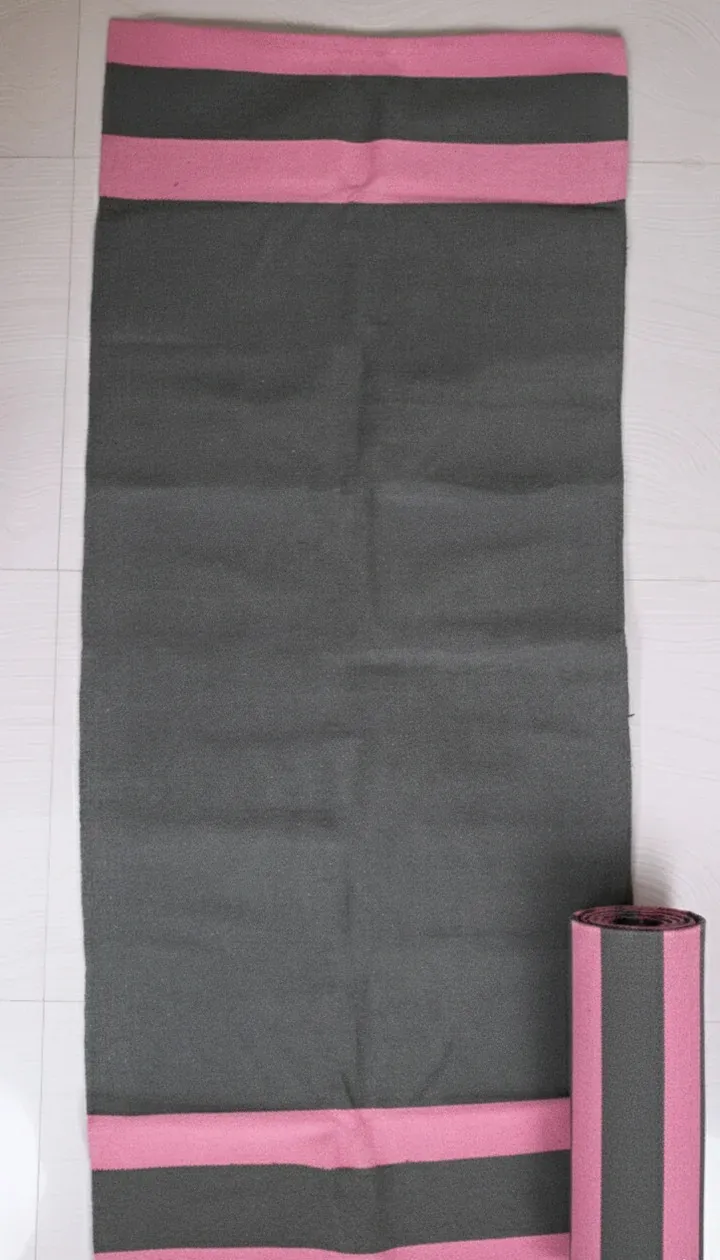
Your yoga mat is your foundation, literally and figuratively. It affects your grip, comfort, and stability in every pose, so it’s worth taking the time to choose thoughtfully. When you explore options and decide to buy yoga mat online, pay close attention to thickness, material, and texture. Thicker mats offer more cushioning for sensitive knees and joints, while thinner mats provide a steadier connection to the floor, which can be helpful for balancing poses and more dynamic styles.
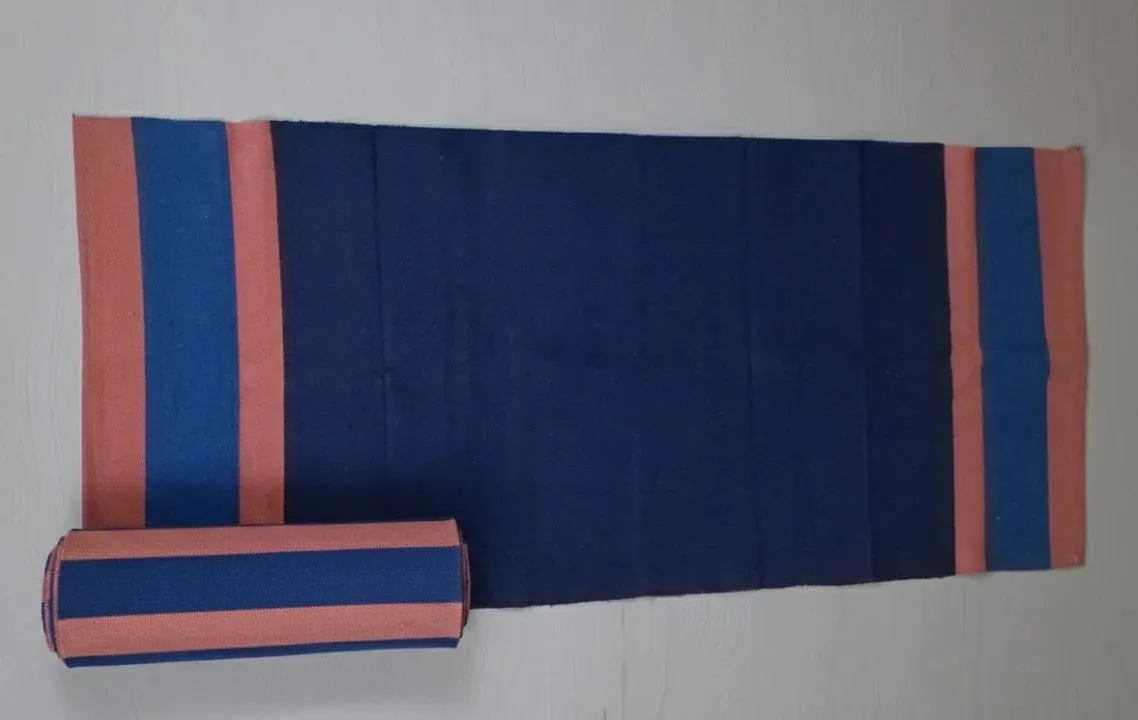
Material and texture also play a crucial role in how safe and comfortable you feel during practice. Eco-friendly materials like natural rubber or cork appeal to those who want a sustainable choice, while PVC and TPE often offer a slightly softer feel and are easy to clean. A mat with a non-slip surface helps you maintain alignment, especially in standing postures or when your hands get slightly sweaty. As a beginner, aim for a mat that balances cushioning with traction so you feel supported without sacrificing stability.
How Yoga Blocks Support Alignment and Confidence
Yoga blocks might look simple, but they are among the most powerful tools for building confidence and proper alignment. When you’re new to yoga, many poses can feel out of reach because your muscles and connective tissues are still adapting to new ranges of motion. Blocks act as an extension of your arms, bringing the floor closer so you can hold postures without straining or collapsing. This support encourages you to focus on the shape of the pose rather than just “touching the ground” at any cost.
Blocks also provide valuable assistance in standing balances and gentle backbends. By placing a block under your hand, hips, or back, you create more stability and can stay in a pose long enough to feel its benefits. Over time, as your flexibility and strength improve, you may rely on them less, but many experienced practitioners continue to use blocks to refine their form. Choosing blocks made from cork or high-density foam ensures durability and a comfortable feel that doesn’t slide when you put weight on them.
Using Yoga Straps to Increase Flexibility Safely
Flexibility often becomes a focus for beginners, but pushing too hard, too fast can lead to discomfort or even injury. Yoga straps offer a safe way to explore deeper stretches without forcing your body beyond its current limits. By looping a strap around your feet or hands, you can gently hold and adjust stretches while keeping your spine long and your joints in a healthier position. This helps you stay relaxed and breathe steadily, which is essential for any effective stretching practice.

Straps are especially helpful in seated forward bends, hamstring stretches, and shoulder-openers. Instead of reaching aggressively for your toes or pulling your limbs into extreme positions, you use the strap as a bridge, maintaining a sense of control and ease. Over time, as your range of motion increases, you may find yourself shortening the strap and eventually doing certain poses without it. For beginners, however, a sturdy cotton or nylon strap with a reliable buckle can be a supportive companion as you build both flexibility and confidence.
The Role of Bolsters and Cushions in Restorative Yoga
Bolsters and cushions bring a different kind of support to your practice, focusing more on relaxation and restorative poses. Restorative yoga uses longer holds and gentle shapes that encourage the nervous system to settle and the body to release tension. A well-chosen bolster can be placed under your spine, hips, or knees to create a comfortable, stable setup that allows you to relax fully without straining muscles or joints. This is especially valuable after a busy day or during times of stress.
For beginners, bolsters can also make seated meditation and breathing exercises more accessible. Sitting directly on the floor can be challenging if your hips or lower back feel tight, often leading to slouching or discomfort. A cushion or folded bolster under your sit bones elevates your hips, helping your spine lengthen naturally. This more comfortable posture supports longer, more focused sessions, allowing you to experience the mental benefits of yoga without being distracted by physical discomfort. Investing in firm, high-quality bolsters ensures they maintain their shape and provide consistent support over time.
Why Yoga Blankets Are More Than Just Extra Fabric
At first glance, a yoga blanket might look like a simple extra, but it offers a surprising range of uses that are especially helpful for beginners. During practice, blankets can be folded or rolled to create gentle support under your knees, hips, or head. This added cushioning helps you stay longer in poses that would otherwise put too much pressure on sensitive areas, making your practice more accessible and less intimidating.
Blankets also contribute to warmth and comfort during relaxation. In the final resting pose, your body temperature tends to drop slightly as you settle into stillness. Draping a soft blanket over yourself can make this stage more soothing and helps signal to your nervous system that it’s safe to let go. They are also useful for improvised props when you do not have access to bolsters or blocks, allowing you to adapt your practice to whatever space and resources you have. Choosing a blanket that is sturdy, washable, and large enough to fold in multiple ways increases its versatility and longevity.
Supporting Your Practice with Yoga-Specific Clothing
Clothing may not be the first accessory that comes to mind, but what you wear has a significant impact on how freely you can move. Yoga-specific clothing is designed to stretch with your body, wick away moisture, and stay in place during dynamic sequences or inversions. As a beginner, comfortable, breathable fabrics help you focus on alignment and breath rather than constantly adjusting your outfit or feeling restricted. A well-fitting top and leggings or pants can create a sense of ease that supports consistent practice.
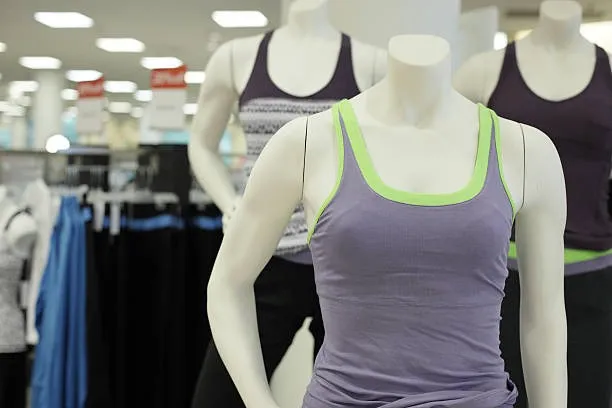
Beyond comfort, clothing also contributes to safety. Loose garments that drag on the floor or slide around can interfere with your footing and make certain poses feel unstable. Choosing items with smooth seams and soft waistbands prevents chafing and discomfort, particularly in poses that compress the abdomen or twist the torso. While you don’t need an extensive wardrobe, having a few reliable outfits reserved for your practice can help establish a ritual, making it easier to transition mentally from everyday activities to time on the mat
Enhancing Focus with Yoga Towels and Accessories Care
Yoga towels may seem like a small detail, but they can make a big difference in maintaining grip and hygiene, especially if your hands and feet tend to get sweaty. A towel placed over your mat absorbs moisture and prevents slipping, which is important when you’re still learning how to distribute weight effectively in poses like downward-facing dog or plank. This added traction helps you feel more secure, allowing you to explore new postures with confidence rather than worrying about sliding out of alignment.
Taking care of your accessories also supports a more mindful, sustainable practice. Regularly cleaning your mat, straps, and towels prevents buildup of sweat and bacteria, keeping your space fresh and inviting. This simple routine reinforces respect for your practice and for the tools that support it, making each session feel intentional rather than rushed. Over time, you will develop your own rhythm of care, perhaps cleaning items after a certain number of uses or dedicating a moment every week to refresh your setup. This attention to detail nurtures a deeper connection to your practice environment.
Conclusion
As a beginner, it’s easy to feel that you must acquire every accessory before you can practice “properly,” but in reality, thoughtful choices matter far more than sheer quantity. A reliable mat, supportive blocks and straps, comfortable cushions, blankets, clothing, and towels each play a distinct role in helping your body and mind feel at ease. Together, they create an environment where you can focus on breath, alignment, and self-awareness rather than discomfort or distraction.
By understanding how each accessory serves your needs, you can build a simple, personalized setup that grows with your practice. Over time, you may refine your choices, upgrading certain items or adding new ones that match evolving goals and preferences. The most important step is simply to begin, supported by tools that help you feel safe, stable, and inspired on the mat. With a well-chosen collection of yoga accessories, your journey becomes not just more comfortable, but more sustainable and deeply rewarding.





























Sign in to leave a comment.