
Introduction
Pickles have been a beloved part of culinary traditions across cultures for centuries. These tangy delights are not only a tasty addition to meals but also serve as a means of preserving vegetables and fruits. In this essay, we will explore the art of pickling, its historical significance, the different types of pickles, and the cultural impact of these delectable treats.
The Art of Pickling
Pickling is a preservation method that involves soaking fruits or vegetables in a solution of vinegar, salt, and spices. The process of pickling enhances the flavor and texture of the produce while extending its shelf life. The acidity in the pickling solution acts as a natural preservative, inhibiting the growth of bacteria and mold.
Historical Significance
Pickling has a rich history that dates back thousands of years. Ancient civilizations, such as the Mesopotamians, Egyptians, and Chinese, were pioneers in the art of pickling. In the absence of refrigeration, pickling allowed communities to store and consume food throughout the year, even during harsh winters or long voyages.
Types of Pickles
There is a wide variety of pickles found across different cultures, each with its unique flavors and preparation methods. Here are some popular types of pickles:
Cucumber Pickles: Cucumber pickles are perhaps the most well-known and widely consumed type of pickle. They can be made using various techniques, such as brine pickling, vinegar pickling, or lacto-fermentation. Cucumber pickles come in different forms, including dill pickles, sweet pickles, bread and butter pickles, and kosher pickles.
Kimchi: Originating from Korea, kimchi is a traditional fermented pickle made from cabbage, radishes, and other vegetables. It is known for its spicy and tangy flavors and is often seasoned with garlic, ginger, and chili peppers. Kimchi is not only delicious but also packed with probiotics and beneficial bacteria, making it a healthy addition to meals.
Sauerkraut: Sauerkraut is a pickled cabbage dish that originated in Eastern Europe. Finely shredded cabbage is fermented with salt, resulting in a sour and tangy flavor. Sauerkraut is not only a popular condiment but is also known for its probiotic properties and high vitamin C content.
Mango Pickles: Mango pickles are a staple in many South Asian cuisines. Raw mangoes are sliced, spiced, and then preserved in a mixture of oil, vinegar, and spices. These pickles are known for their spicy, sweet, and tangy flavors, adding a burst of taste to any meal.
Cultural Impact
Pickles have had a significant cultural impact worldwide, becoming an integral part of many culinary traditions. They are often associated with nostalgia, evoking memories of family recipes passed down through generations. Pickles also play a role in cultural celebrations and festivals, such as the Indian festival of Pongal, where mango pickles are traditionally prepared and enjoyed.
Health Benefits
Besides their delicious taste and cultural significance, pickles also offer various health benefits. The fermentation process involved in pickling creates probiotics, which are beneficial for gut health. Additionally, pickles are low in calories and fat while being a good source of vitamins and minerals.
Versatility in Various Dishes
Pickles are not just enjoyed as standalone snacks; they add a delightful tang and crunch to a wide range of dishes. Here are some examples of how pickles are used in different cuisines:
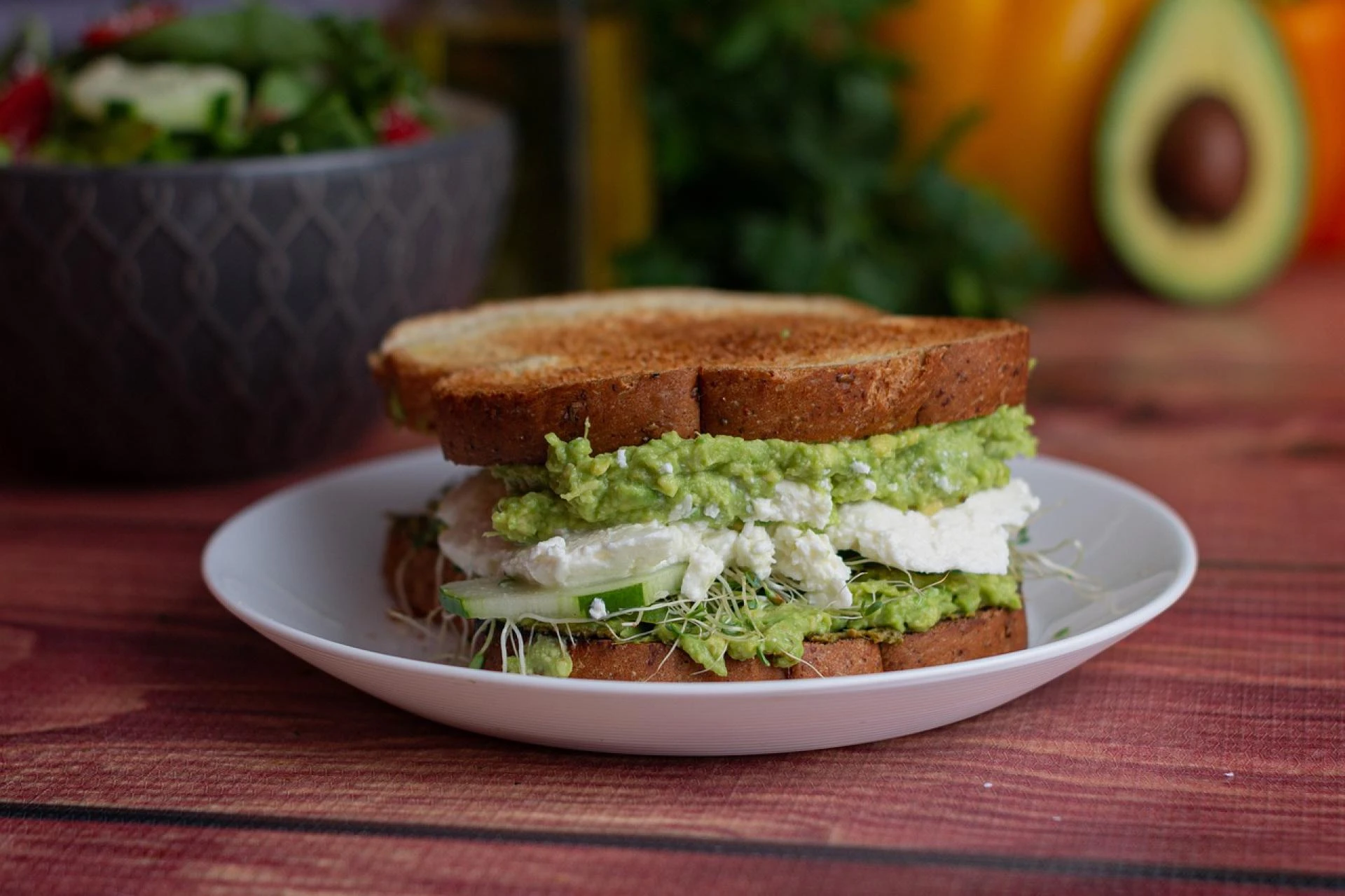
Sandwiches and Burgers: Pickles are a classic addition to sandwiches and burgers, providing a burst of flavor and balancing out the richness of other ingredients. Whether it's a juicy cheeseburger or a deli-style submarine sandwich, pickles add a refreshing element to these handheld delights.
Salads: Pickles can be used to add a tangy twist to salads. Diced pickles can be mixed with greens, vegetables, and dressings to create a vibrant and flavorful salad. The acidity of pickles can help cut through the richness of dressings and add a refreshing zing to the overall dish.
Rice and Grain Bowls: In many Asian cuisines, pickles are served alongside rice and grain bowls to add a contrasting flavor and texture. The tanginess of pickles complements the earthiness of rice or grains, creating a harmonious balance of flavors.
Tacos and Wraps: Pickles are a popular addition to tacos and wraps, providing a burst of acidity and crunch. Whether it's a fish taco or a chicken wrap, pickles can elevate the flavor profile and add a refreshing element to these handheld delights.
Conclusion
Pickles are more than just a tangy delight; they represent a preservation method that has stood the test of time. From ancient civilizations to modern culinary traditions, pickles have played a significant role in preserving and enhancing the flavors of fruits and vegetables. Whether it's the crispness of a cucumber pickle or the complex flavors of kimchi, pickles continue to captivate our taste buds and connect us to our cultural heritage. So, the next time you savor a pickle, remember that you are not only enjoying a tasty treat but also partaking in a centuries-old tradition of preserving and savoring the flavors of nature.


























Sign in to leave a comment.