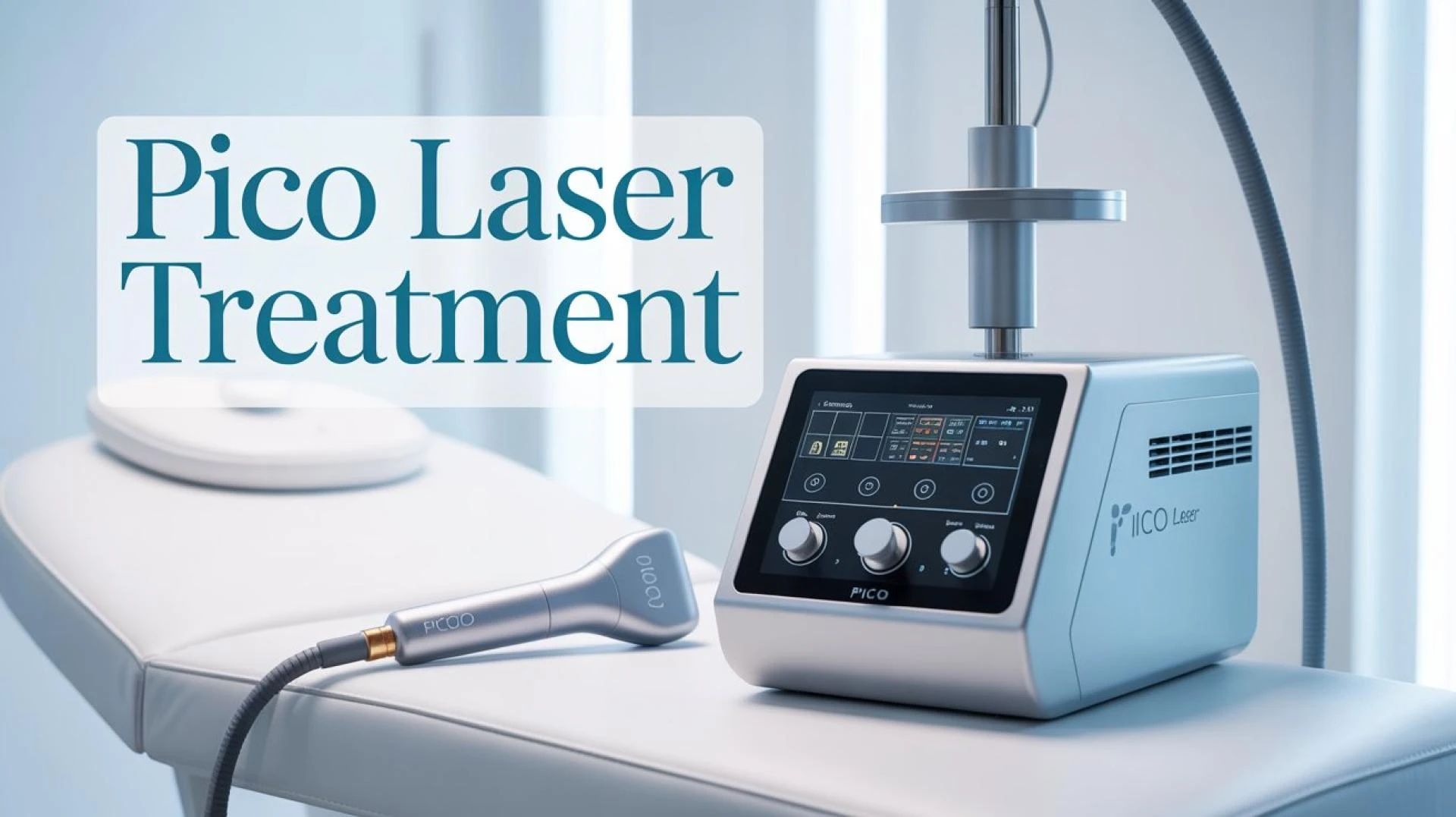
If you’re struggling with stubborn pigmentation, melasma, acne marks, or an unwanted tattoo, chances are you’ve come across two popular options, Pico Laser and Q-Switch Laser Treatment. While both are advanced laser technologies used in dermatology, many patients feel confused about which one is actually better, safer, and worth the investment. Is the newer Pico Laser really superior, or does the Q-Switch laser still hold value? In this blog, we break down the real differences, benefits, limitations, and dermatologist insights to help you make an informed decision.
How Laser Treatments Work: Why Technology Matters
Laser treatments work by delivering focused light energy into the skin to target pigment, ink, or damaged tissue without harming the surrounding area. The effectiveness of a laser largely depends on its pulse duration—how fast the energy is delivered. Shorter pulses break pigment into finer particles, allowing the body to clear them more efficiently. This is where the difference between traditional and next-generation lasers becomes critical, especially for Indian skin types, which are more prone to post-treatment pigmentation.
Expert Dermatology Perspective Matters More Than the Laser Itself
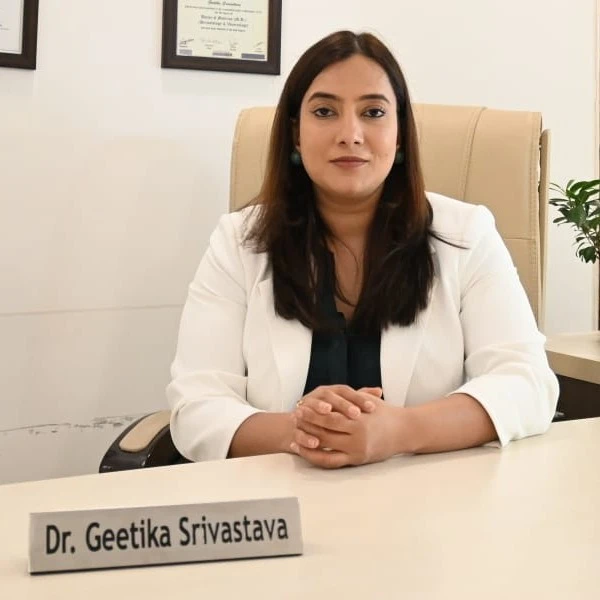
Choosing the right laser isn’t just about technology—it’s about who is performing the treatment. According to Dr. Geetika Srivastava, one of the best dermatologists in Delhi, laser treatments must always be customized based on skin type, pigmentation depth, and medical history. A one-size-fits-all laser approach can worsen pigmentation rather than improve it. This is why dermatologist-led evaluation and supervision are essential for safe and long-lasting results.
What Is Pico Laser Treatment?
Pico Laser Treatment is a next-generation laser technology that delivers energy in picoseconds (one trillionth of a second), much faster than traditional lasers. These ultra-short pulses shatter pigment into extremely fine particles with minimal heat damage, making Pico Laser highly effective and safer for darker skin tones.
Pico Laser is commonly used for:
- Stubborn pigmentation and melasma
- Acne scars and textural irregularities
- Tattoo removal (including colored inks)
- Overall skin rejuvenation and brightening
Because it causes less thermal injury, Pico Laser usually requires fewer sessions, has minimal downtime, and offers faster visible improvement.
What Is Q-Switch Laser Treatment?
Q-Switch Laser Treatment is an older but widely used laser technology that works in nanoseconds. It targets pigment by breaking it into larger particles compared to Pico Laser, which the body clears over time.
Q-Switch laser is commonly used for:
- Freckles and sunspots
- Superficial pigmentation
- Black tattoo ink
- Uneven skin tone
While it is more affordable and accessible, the Q-Switch laser often requires more sessions and carries a slightly higher risk of post-inflammatory hyperpigmentation, especially in Indian and sensitive skin types.
Pico Laser vs Q-Switch Laser: Key Differences at a Glance
| Factor | Pico Laser | Q-Switch Laser |
|---|---|---|
| Pulse Duration | Picoseconds | Nanoseconds |
| Effectiveness | High | Moderate |
| Sessions Required | Fewer | More |
| Downtime | Minimal | Mild to moderate |
| Safety for Indian Skin | Safer | Depends on expertise |
| Cost per Session | Higher | Lower |
Which Laser Is Better for Pigmentation?
For conditions such as melasma, post-acne marks, and deep pigmentation, the Pico Laser is often preferred because it delivers results with less heat damage and a lower risk of rebound pigmentation. A Q-switch laser may still be effective for treating superficial pigmentation, but results can be slower and less predictable.
Dermatologists often combine laser treatment with medical skincare, sun protection, and oral support to achieve stable, long-term improvement.
Pico Laser vs Q-Switch for Tattoo Removal
When it comes to tattoo removal, Pico Laser has become the gold standard. It is especially effective for:
- Colored tattoos (blue, green, red)
- Dense or professional tattoos
- Faster fading with fewer sessions
Q-Switch laser works well mainly for black ink tattoos, but typically requires more sessions and longer recovery between treatments.
Safety, Downtime & Indian Skin Considerations
Indian skin (Fitzpatrick types IV–V) is more prone to post-inflammatory hyperpigmentation (PIH) if lasers are not used correctly. Pico Laser’s low-heat mechanism makes it safer, but no laser is completely risk-free without expert handling.
Post-treatment care usually includes:
- Strict sun protection
- Gentle skincare routine
- Avoiding active ingredients temporarily
All laser treatments should be done only under dermatologist supervision.
Cost Comparison: Is Pico Laser Worth It?
While Pico Laser treatment costs more per session, it often requires fewer sessions, making it cost-effective in the long run. Q-Switch laser may appear budget-friendly initially, but can require multiple sittings for similar results.
The right choice depends on:
- Severity of pigmentation
- Skin sensitivity
- Desired speed of results
Who Should Choose Pico Laser vs Q-Switch Laser?
Pico Laser is ideal for:
- Stubborn or recurrent pigmentation
- Acne scars and skin texture issues
- Tattoo removal (especially colored ink)
- Sensitive or darker skin tones
Q-Switch Laser may suit:
- Mild pigmentation
- First-time laser users
- Budget-conscious patients (with dermatologist guidance)
Final Verdict: Pico Laser or Q-Switch—Which Is Right for You?
Both Pico Laser and Q-Switch Laser treatments have their place in dermatology, but Pico Laser offers advanced precision, faster results, and better safety for Indian skin. However, the success of any laser treatment ultimately depends on correct diagnosis, proper technology selection, and an experienced dermatologist.
👉 If you’re considering laser treatment for pigmentation, scars, or tattoo removal, consult a qualified dermatologist to determine the safest and most effective option for your skin.





















Sign in to leave a comment.