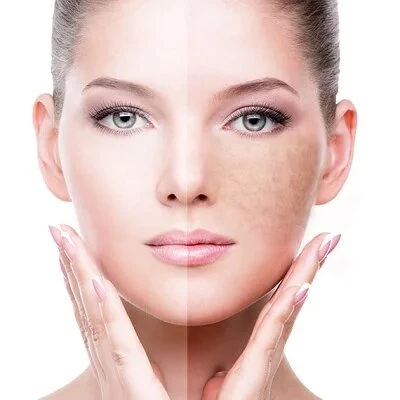

Introduction:
Pigmentation issues can affect people of all ages and skin types, causing uneven skin tone, dark spots, and an overall lack of radiance. In this comprehensive guide, we'll delve into the basics of Pigmentation Treatment in Abu Dhabi, exploring its various forms and discussing effective strategies to understand and conquer the challenges associated with its treatment.
Understanding Pigmentation: A Deep Dive
Pigmentation refers to the coloration of the skin, which is primarily influenced by the production of melanin – the pigment responsible for our skin, hair, and eye color. However, when melanin production becomes uneven or excessive, pigmentation issues arise. Let's explore the common types:
1. Hyperpigmentation: This condition involves the overproduction of melanin, leading to dark spots or patches on the skin. Common causes include sun exposure, hormonal changes, and inflammation.
2. Hypopigmentation: On the flip side, hypopigmentation results from a lack of melanin production, leading to lighter areas on the skin. Conditions like vitiligo can cause this type of pigmentation issue.
3. Melasma: Commonly occurring in women, melasma presents as dark patches, usually on the face. Hormonal changes, such as pregnancy or birth control use, can trigger melasma.
Conquering Pigmentation Treatment Challenges:
Understanding the intricacies of pigmentation is the first step towards effective treatment. Let's address the challenges associated with conquering pigmentation issues.
1. Identifying the Root Cause: Effective treatment begins with identifying the root cause of pigmentation problems. A dermatologist can conduct a thorough examination to determine whether the pigmentation is related to sun damage, hormonal changes, or other factors.
2. Sun Protection as a Foundation: Sun exposure is a primary contributor to pigmentation problems. Make sun protection a non-negotiable step in your skincare routine. Use a broad-spectrum sunscreen with at least SPF 30, and reapply it every two hours when exposed to sunlight.
3. Topical Treatments: In the realm of pigmentation treatment, various topical solutions can be employed. Ingredients such as hydroquinone, vitamin C, retinoids, and alpha hydroxy acids (AHAs) can help lighten dark spots and even out skin tone. However, it's crucial to use these products as directed and consult a dermatologist for personalized recommendations.
4. Professional Treatments: For more stubborn pigmentation issues, professional treatments offer advanced solutions. These may include chemical peels, laser therapy, and microdermabrasion. These procedures should be administered by trained professionals to ensure safety and efficacy.
5. Addressing Hormonal Factors: For pigmentation issues linked to hormonal changes, addressing the underlying hormonal imbalance is key. Consult with a healthcare professional to explore options such as hormone therapy or changes in medication.
6. Patience and Consistency: Pigmentation treatment is not a one-size-fits-all journey. It requires patience and consistent efforts. Results may take weeks or even months to become noticeable, so maintaining a steady routine is crucial.
7. Lifestyle Adjustments: Simple lifestyle adjustments can contribute significantly to pigmentation management. Adequate sleep, a balanced diet, and stress reduction can positively impact overall skin health and aid in the treatment process.
Conclusion: Conquering pigmentation challenges involves a multi-faceted approach that combines understanding the root causes with targeted treatments. By incorporating sun protection, topical solutions, professional treatments, and lifestyle adjustments, individuals can embark on a journey towards clearer and more radiant skin. Remember, consulting with a dermatologist ensures a personalized and effective Pigmentation Treatment in Abu Dhabi plan. Embrace the process, be patient, and look forward to a complexion that radiates confidence and vitality.











Sign in to leave a comment.