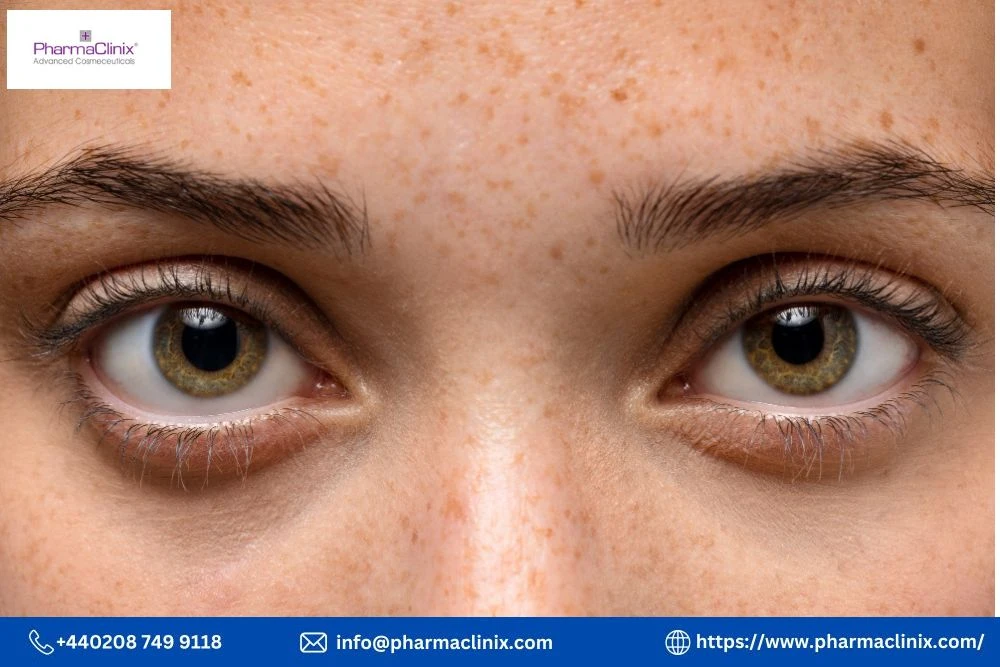

Ever noticed those darker patches or unusual changes in the colour of your eyes and wondered what’s going on? If you’re curious about what pigmentation in the eyes means, you’re in the right place. Pigmentation eyes refer to the presence of excess colour or dark spots in the eyes. This phenomenon can be quite concerning, but understanding its causes and treatments can help ease your worries.
What is Pigmentation in Eyes?
Pigmentation in the eyes, as the name suggests, involves an abnormal increase in pigment, usually melanin, in the eye tissues. Melanin is the same pigment responsible for the colour of your skin and hair. When there’s an excess production of melanin in the eyes, it can lead to various visual changes, including dark spots or a general change in the eye colour.
Causes of Pigmentation Eyes
The causes behind pigmentation in the eyes can range from harmless to serious. Here are a few common culprits:
- Genetics: Just like with skin pigmentation, genetic factors can play a significant role. If pigmentation issues run in your family, you might be more susceptible.
- Sun Exposure: Overexposure to UV rays can increase melanin production, leading to darker patches in the eyes.
- Eye Diseases: Certain conditions, such as retinal pigmentosa, can cause changes in pigmentation.
- Medication Side Effects: Some medications can cause pigmentation changes as a side effect.
Symptoms and Signs
Identifying the symptoms of pigmentation in the eyes is crucial for timely treatment. Here’s what to look out for:
- Dark Spots: Small, dark patches on the white part of the eye (sclera) or the iris.
- Colour Changes: Noticeable changes in the colour of the iris or sclera.
- Blurred Vision: In some cases, changes in pigmentation can affect vision clarity.
- Redness or Irritation: Accompanying redness or irritation may indicate an underlying issue.
How Pigmentation Eyes Are Diagnosed
Diagnosing pigmentation issues typically involves several steps:
- Eye Examination: A thorough eye exam by an ophthalmologist can reveal the extent and nature of pigmentation.
- Medical History: Discussing your medical history and any recent changes in medications can provide clues.
- Imaging Tests: Tests like optical coherence tomography (OCT) or fundus photography may be used to get a detailed view of the eye\'s internal structures.
Treatment Options for Pigmentation Eyes
Treating pigmentation in the eyes depends on the underlying cause:
- Lifestyle Changes: Reducing sun exposure and using UV-protective eyewear can prevent further pigmentation.
- Medication: In cases where medication is the cause, adjusting the dosage or switching drugs might be necessary.
- Laser Therapy: Laser treatments can be used to target and reduce excess pigmentation.
Preventing Pigmentation Issues
Preventing pigmentation issues involves adopting healthy eye care habits:
- Sun Protection: Always wear sunglasses with UV protection.
- Healthy Diet: A diet rich in antioxidants can support eye health.
- Regular Check-ups: Regular eye exams can help catch potential issues early.
Natural Remedies for Pigmentation
If you prefer natural remedies, consider these options:
- Cucumber Slices: Applying cucumber slices can soothe and refresh the eyes.
- Green Tea Bags: Placing cooled green tea bags on the eyes can reduce pigmentation.
- Aloe Vera: Aloe vera gel has soothing properties that might help with minor pigmentation issues.
Medical Interventions
For more serious pigmentation issues, medical interventions might be necessary:
- Prescription Treatments: Certain prescription creams or eye drops can help manage pigmentation.
- Surgical Options: In rare cases, surgical procedures might be considered to correct severe pigmentation issues.
Lifestyle Adjustments
Making a few lifestyle changes can positively impact eye health:
- Balanced Diet: Incorporate foods rich in vitamins A and C, which are beneficial for eye health.
- Hydration: Drink plenty of water to keep your eyes hydrated.
- Avoid Smoking: Smoking can exacerbate pigmentation issues and harm overall eye health.
When to See a Doctor
It’s essential to consult a doctor if you notice:
- Sudden Changes: Rapid or significant changes in eye colour.
- Vision Problems: Any accompanying vision issues or discomfort.
- Persistent Symptoms: Symptoms that don’t improve with home remedies.
Pigmentation Eyes and Lifestyle Choices
Your lifestyle choices can impact pigmentation:
- Stress Management: High stress levels can affect overall health, including eye health.
- Exercise: Regular exercise promotes good circulation and eye health.
- Sleep: Adequate sleep is crucial for overall well-being and can help reduce eye strain.
Understanding Your Skin Tone
Understanding your natural skin tone can help in managing and preventing pigmentation issues:
- Know Your Skin Type: Different skin types may react differently to sun exposure and other factors.
- Use Appropriate Products: Choose skincare and eye care products suited to your skin type.
Future Research and Developments
Research is ongoing to better understand and treat pigmentation issues in the eyes:
- New Treatments: Scientists are developing advanced treatments and therapies.
- Genetic Studies: Ongoing research into the genetic basis of pigmentation can lead to targeted treatments.
Conclusion
Pigmentation in the eyes can be a perplexing issue, but understanding its causes and treatment options can help manage and even prevent it. Whether it’s through lifestyle changes, natural remedies, or medical treatments, taking proactive steps is key to maintaining eye health and clarity.
Frequently Asked Questions (FAQs)
Q: What causes pigmentation in the eyes?
A: Pigmentation in the eyes can be caused by genetics, sun exposure, certain eye diseases, or medication side effects.
Q: How can I treat pigmentation in my eyes?
A: Treatment options include lifestyle changes, medication, laser therapy, or natural remedies depending on the cause.
Q: When should I see a doctor for pigmentation in my eyes?
A: Consult a doctor if you notice sudden changes, vision problems, or persistent symptoms.
Q: Are there any natural remedies for pigmentation eyes?
A: Yes, natural remedies like cucumber slices, green tea bags, and aloe vera can help soothe and reduce pigmentation.
Q: Can lifestyle choices impact pigmentation in the eyes?
A: Absolutely. Healthy lifestyle choices such as a balanced diet, sun protection, and regular eye care can influence pigmentation and overall eye health.
























Sign in to leave a comment.