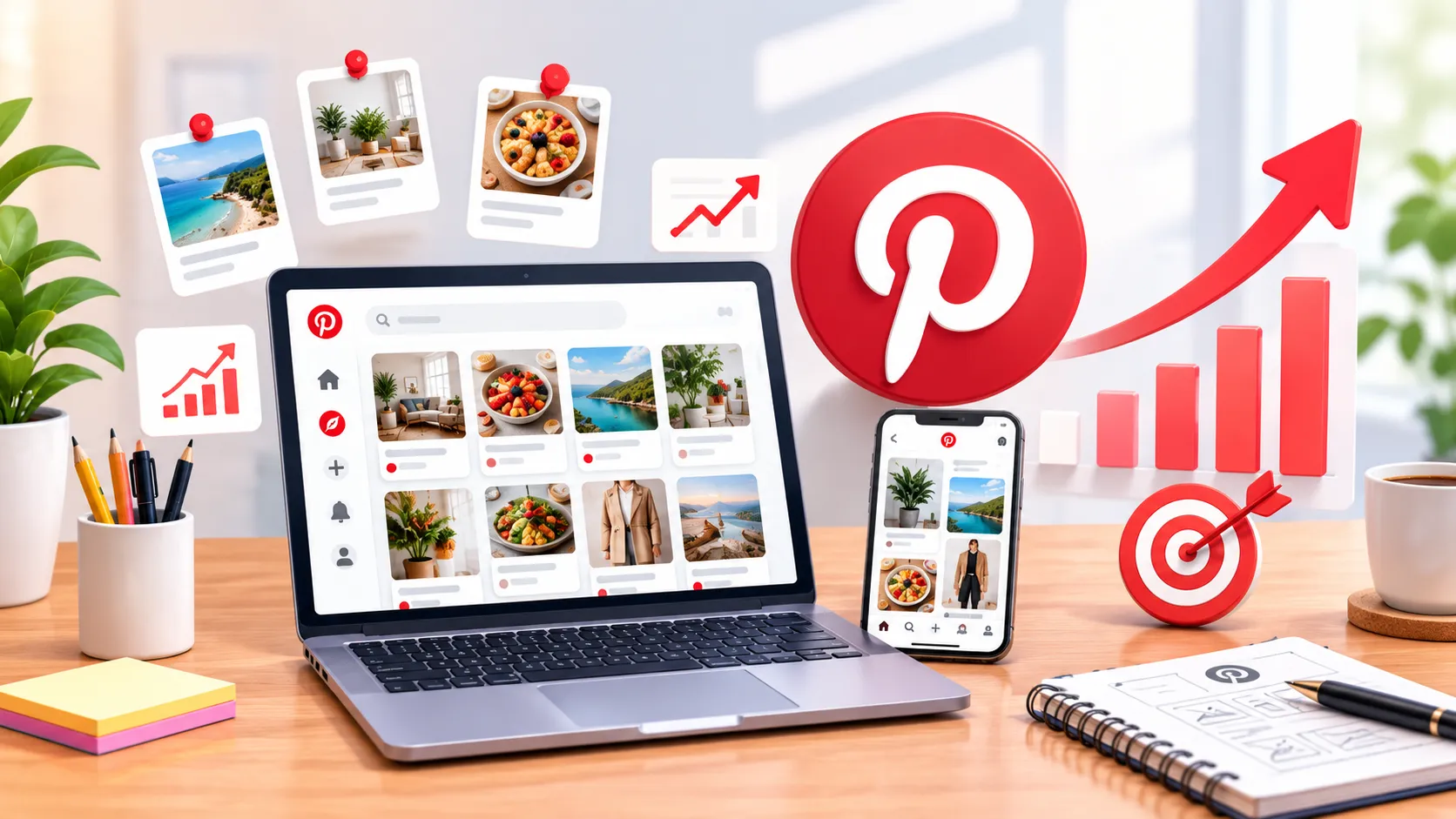
When people talk about digital marketing platforms, the conversation almost always circles back to Instagram, Facebook, and maybe LinkedIn if the audience is B2B. Pinterest rarely gets a seat at the table, and that's a mistake. It's often dismissed as "just a place for recipes and wedding inspiration," but that assumption causes a lot of marketers to overlook one of the most consistent, long-lasting sources of website traffic available today. Let's talk about why Pinterest deserves more attention and how you can use it to drive real results.
Pinterest Isn't Really a Social Network
The biggest misconception about Pinterest is that it's a social media platform in the same category as Instagram or Facebook. It's not, at least not in the way people typically use it. Pinterest functions much more like a visual search engine. People don't go there to catch up with friends or scroll through updates from people they follow, they go there to search for ideas, plan projects, and discover products, much the same way they'd use Google, just through images instead of text.
This distinction matters enormously for marketers, because it changes how you should think about strategy. Instead of chasing likes and comments, the goal on Pinterest is closer to what you'd aim for with search engine optimization: getting discovered when someone searches for something relevant to what you offer and having that discovery lead directly to a click on your website.
Why Pinterest Content Has Such a Long Shelf Life
One of Pinterest's biggest advantages over other platforms is longevity. A post on Instagram or Facebook typically has a lifespan of a few hours to a couple of days before it disappears into the feed, rarely to be seen again. A well-optimized Pin, on the other hand, can continue generating clicks and traffic for months, sometimes years, after it was originally published.
This happens because Pins get indexed and surfaced in Pinterest's search results much like a blog post gets indexed by Google. If your Pin is well-tagged, visually appealing, and linked to relevant content, it can keep resurfacing in searches long after you've stopped actively promoting it. For businesses with limited time or budget for constant content creation, this compounding effect is incredibly valuable as you put in the work once, and it keeps paying off.
Who Should Actually Be Using Pinterest?
Pinterest tends to work exceptionally well for certain types of businesses and content, including:
- Fashion and lifestyle brands, since Pinterest users actively search for outfit ideas and style inspiration
- Home decor and interior design businesses, one of the platform's most heavily searched categories
- Food bloggers and recipe websites, which consistently drive huge traffic through Pinterest
- Wedding and event planning services, where users plan months in advance and save ideas
- Ecommerce stores, especially those selling visually appealing products like jewelry, home goods, or handmade crafts
- Bloggers and content creators, who use Pinterest to drive consistent traffic back to their articles
If your business or content fits into a visually driven category like these, Pinterest can realistically become one of your top traffic sources, often outperforming platforms you'd normally prioritize first.
Getting Started with Pinterest Marketing
If you're new to the platform, the setup process is straightforward but doing it correctly from the start makes a real difference in long-term performance.
First, set up a Pinterest Business Account rather than a personal one. This unlocks analytics, advertising options, and the ability to claim your website, which helps Pinterest attribute traffic correctly and boosts your credibility within the platform.
Next, focus on keyword research, much like you would for a blog post. Pinterest has its own search bar with autocomplete suggestions, which is one of the easiest ways to see what people are searching for. Use these terms naturally in your Pin titles, descriptions, and board names.
Then, create boards around clear, specific themes rather than broad, vague categories. A board titled "Small Kitchen Storage Ideas" will perform better in search than one simply called "Home Stuff," because it matches the specificity users are searching for.
Finally, design Pins with strong, scroll-stopping visuals. Vertical images tend to perform best, and adding clear, readable text overlays helps users understand what the Pin is about before they even click.
Turning Pinterest Traffic into Real Results
Driving traffic is only half the equation the other half is making sure that traffic converts into something meaningful, whether that's a sale, a sign-up, or a subscriber. This means every Pin should link to a relevant, high-quality landing page or blog post, not just your homepage. If someone clicks a Pin about "budget-friendly home decor ideas," they should land directly on content about that topic, not be forced to hunt around your site to find it.
It's also worth experimenting with Pinterest Ads once you've built some organic traction. Promoted Pins work similarly to boosted posts on other platforms, letting you amplify content that's already performing well organically to reach an even wider audience.
Why Marketers Often Overlook This Channel
Part of the reason Pinterest doesn't get the attention it deserves is that it doesn't offer the same instant gratification as other platforms. There's no viral moment, no algorithm spike overnight. It's a slower, more compounding strategy which, ironically, is exactly why it's so valuable. Most marketers are drawn to platforms that promise fast results, but the businesses that stick with a consistent Pinterest strategy for six months to a year often find it becomes one of their most reliable, low-maintenance traffic sources.
This is the kind of nuanced platform knowledge that's easy to miss if you're only following generic advice online, and it's exactly the sort of thing covered in well-structured digital marketing classes in Ahmedabad, where instructors go beyond the obvious platforms and help you understand where your specific audience actually spends their time searching.
Where This Fits into Your Broader Strategy
Pinterest shouldn't replace your core channels, but it deserves a spot in your overall marketing mix, especially if your business fits the visual, search-driven categories mentioned earlier. Learning how to integrate it properly alongside SEO, content marketing, and social media is exactly the kind of practical, well-rounded skill set you'd gain from a comprehensive digital marketing course in Ahmedabad, where the goal isn't just to teach the popular platforms, everyone already knows, but to build a complete toolkit for driving traffic from wherever your audience actually is.
Final Thoughts
Pinterest may not have the buzz of Instagram or the professional prestige of LinkedIn, but its unique position as a visual search engine makes it one of the most underrated traffic sources available to marketers today. If you haven't explored it yet or dismissed it early on as irrelevant to your niche, it's worth reconsidering especially if your content or products lean visual. Sometimes the best growth opportunities are sitting on platforms everyone else has stopped paying attention to, and building this kind of well-rounded platform knowledge is exactly what a good digital marketing institute in Ahmedabad should be teaching its students.























Sign in to leave a comment.