

- What is a Plagiarism Report Sample?
- Why Plagiarism Reports Matter in Indian Academia
- Understanding a Plagiarism Report (With Sample Breakdown)
- Plagiarism Report Sample (Text-Based Example)
- Tools to Generate a Plagiarism Report Sample
- Common Mistakes Students Make
- How to Reduce Similarity Effectively
- What is an Acceptable Plagiarism Percentage?
- Plagiarism vs Similarity: The Real Difference
- When You Actually Need a Plagiarism Report
- Final Insight: Use Reports as a Strategy, Not Just Proof
- FAQ's
Academic writing in India has evolved rapidly, especially with the increasing focus on research quality, originality, and ethical publishing. Whether you’re submitting a college assignment, dissertation, or research paper, one document has become essential alongside your work — the plagiarism report sample.
Many students hear about plagiarism reports but don’t fully understand how they work, what they should look like, or how to interpret them. This guide breaks it down clearly, with practical insights, so you don’t just generate a report—you actually use it effectively.
What is a Plagiarism Report Sample?
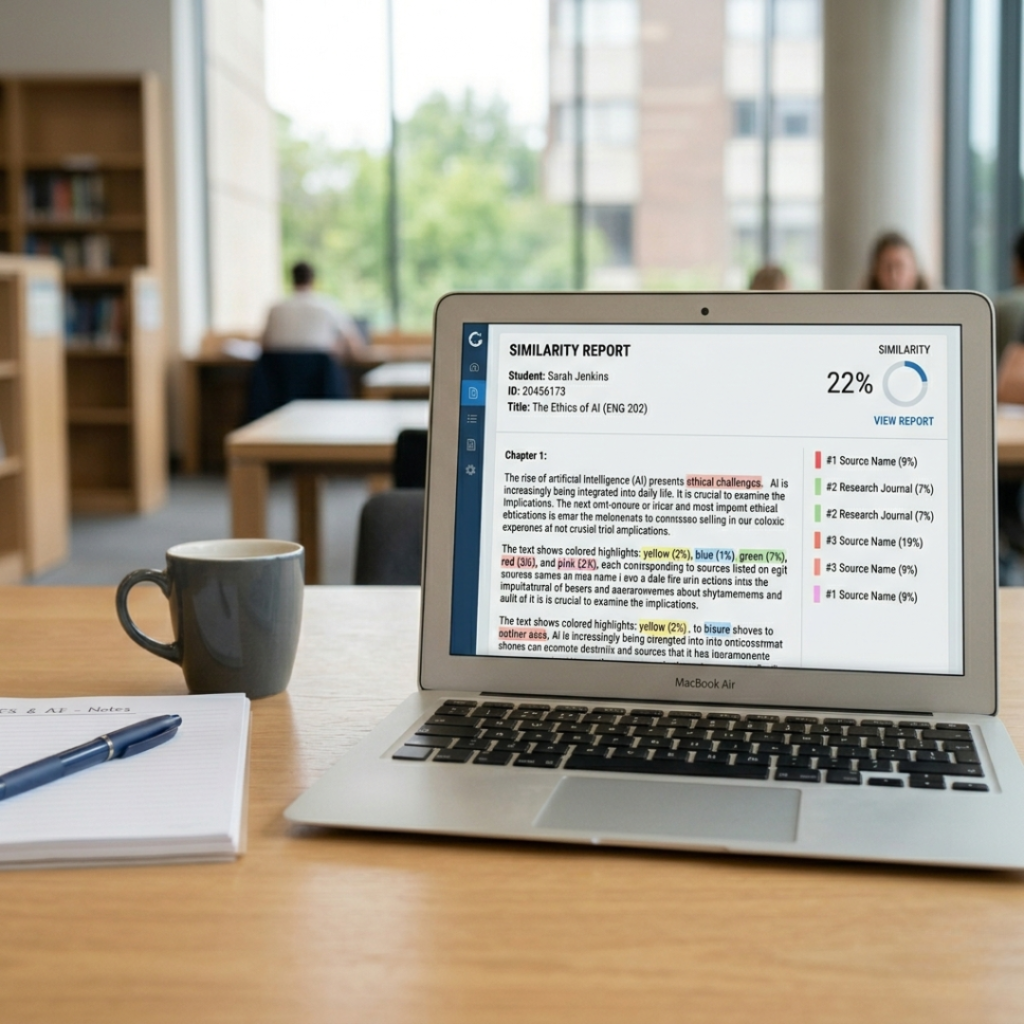
A plagiarism report sample is a document generated by plagiarism detection tools (like Turnitin, Grammarly, or others) that shows how much of your content matches existing sources.
It typically includes:
- Similarity percentage
- Highlighted matched text
- Source links or references
- Breakdown of matched sources
Think of it as a quality check for originality, not just a “pass/fail” report.
Why Plagiarism Reports Matter in Indian Academia
Indian universities and journals are becoming stricter about plagiarism. Regulatory bodies like UGC have clear guidelines on acceptable similarity levels.
Here’s why a plagiarism report sample is critical:
1. Mandatory for Submission
Most universities now require a plagiarism report before accepting theses or dissertations.
2. Avoid Academic Penalties
High similarity can lead to rejection, resubmission, or even disciplinary action.
3. Builds Credibility
A clean report improves your chances of publication in reputed journals.
4. Essential for Research Publishing
Journals often reject papers with high similarity before peer review even begins.
Understanding a Plagiarism Report (With Sample Breakdown)
A typical plagiarism report sample includes multiple sections. Here’s how to read it properly:
1. Similarity Index
- Shows overall percentage of matched content
- Example: 18% similarity
👉 Ideal range (India context):
- 0–10%: Excellent
- 10–20%: Acceptable
- 20–30%: Needs revision
- 30%+: Risky
2. Source Matching
Displays where your content matches:
- Websites
- Journals
- Student papers
3. Highlighted Text
- Matched content is color-coded
- Each color corresponds to a specific source
4. Exclusions
Good tools allow excluding:
- References
- Quotes
- Small matches
This is important because not all similarity is plagiarism.
Plagiarism Report Sample (Text-Based Example)
Here’s a simplified plagiarism report sample to help you visualize:
Document Title: Impact of Digital Marketing on Student Entrepreneurs
Total Words: 3,500
Similarity Index: 16%
Top Sources:
- researchgate.net – 5% match
- ijert.org – 4% match
- blog article – 3% match
Highlighted Sections:
- Introduction paragraph (partial match)
- Literature review (moderate match)
- Conclusion (minor match)
Excluded:
- References
- Quoted definitions
Final Status: Acceptable with minor revisions

Tools to Generate a Plagiarism Report Sample
Choosing the right tool matters more than most students realize.
Popular Options in India:
1. Turnitin
- Most trusted by universities
- Highly accurate
- Paid access (usually via college)
2. Grammarly Plagiarism Checker
- Good for basic checks
- Easy to use
- Limited database compared to Turnitin
3. SmallSEOTools / Duplichecker
- Free options
- Less reliable for academic work
Recommendation:
If you’re serious about research or journal publication, rely on Turnitin-based plagiarism report samples. Free tools are useful for initial drafts but not final submissions.
Common Mistakes Students Make
This is where most plagiarism reports go wrong.
1. Focusing Only on Percentage
A 10% similarity can still be problematic if it’s from one major source.
2. Ignoring Paraphrasing Quality
Changing words slightly doesn’t remove plagiarism.
3. Not Checking Sources
Students often ignore where matches come from.
4. Submitting Without Review
Always analyze the report before final submission.
How to Reduce Similarity Effectively
Instead of random editing, use a structured approach:
Step 1: Identify Problem Areas
Look for:
- Large matched chunks
- Repeated sources
Step 2: Improve Paraphrasing
- Rewrite in your own understanding
- Change sentence structure, not just words
Step 3: Add Proper Citations
- Use APA, MLA, or required format
- Cite even paraphrased ideas
Step 4: Use Quotes When Needed
Direct quotes reduce risk if properly cited.
Step 5: Recheck the Report
Always generate a second plagiarism report sample after edits.
What is an Acceptable Plagiarism Percentage?
This depends on your institution, but general Indian standards:
- Assignments: Below 20%
- Thesis/Dissertation: Below 10–15%
- Journal Papers: Below 10%
Important:
Even 5% can be flagged if it’s copied without citation.
Plagiarism vs Similarity: The Real Difference
Many students confuse these terms.
- Similarity: Matching content found
- Plagiarism: Unethical copying without credit
A plagiarism report sample shows similarity—not intent. Interpretation matters.
When You Actually Need a Plagiarism Report
You don’t need it for everything—but for these, it’s essential:
- Research papers
- Final year projects
- Thesis/dissertation
- Journal submissions
- Conference papers
Skipping it at these stages is a costly mistake.

Final Insight: Use Reports as a Strategy, Not Just Proof
A plagiarism report sample isn’t just a requirement—it’s a tool.
Students who use it early:
- Write better content
- Avoid last-minute panic
- Improve research quality
Students who ignore it:
- Struggle with revisions
- Risk rejection
- Damage academic credibility
FAQ's
1. What does a plagiarism report sample show?
It shows the percentage of matched content, highlighted sections, and sources where similarities were found.
2. Is 20% plagiarism acceptable in India?
For assignments, it may be acceptable, but for research papers or theses, it is usually considered high and needs reduction.
3. How can I reduce plagiarism in my report?
Improve paraphrasing, add proper citations, use quotes where necessary, and recheck with a plagiarism tool.
4. Which tool is best for plagiarism report samples?
Turnitin is the most reliable for academic use, especially in Indian universities.
5. Can plagiarism reports be wrong?
Yes, they show similarity, not actual plagiarism. Proper interpretation is required to avoid false assumptions.






























Sign in to leave a comment.