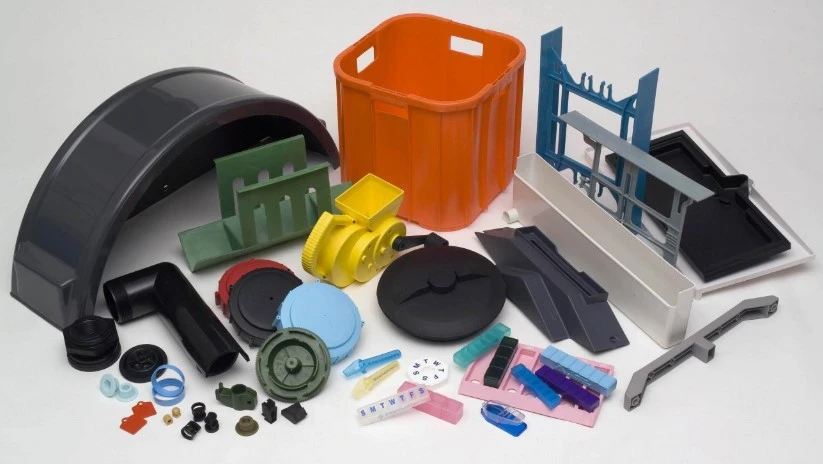

If you are looking to manufacture plastic parts, plastic molding is a popular option for its cost-effective and efficient production process. In this article, we will provide you with a comprehensive guide on plastic molded parts, including the various types of plastic molding processes, their advantages and disadvantages, and important factors to consider when selecting a plastic molding process.
Types of Plastic Molding Processes
plastic molded parts is a manufacturing process that involves melting plastic pellets and injecting them into a mold to form the desired shape. There are various types of plastic molding processes available, each with their own unique advantages and disadvantages. The following are the most common types of plastic molding processes used in manufacturing plastic parts:
Injection Molding
Injection molding is one of the most popular plastic molding processes used in the manufacturing industry. This process involves melting plastic pellets and injecting them into a mold. Once the plastic has solidified, the mold is opened, and the part is ejected. Injection molding is ideal for high-volume production runs and can produce parts with intricate designs and complex geometries.
Blow Molding
Blow molding is another popular plastic molding process that is commonly used to manufacture bottles, containers, and other hollow objects. This process involves melting plastic pellets and blowing them into a mold, where they are then inflated to form the desired shape. Blow molding is ideal for high-volume production runs and can produce parts with consistent wall thicknesses.
Compression Molding
Compression molding is a plastic molding process that involves compressing plastic pellets into a preheated mold. The mold is then heated, causing the plastic to melt and fill the mold cavity. Once the plastic has cooled and solidified, the mold is opened, and the part is ejected. Compression molding is ideal for producing parts with complex geometries and can be used to manufacture a wide range of plastic parts.
Rotational Molding
Rotational molding is a plastic molding process that is commonly used to manufacture large, hollow parts such as tanks, containers, and playground equipment. This process involves placing plastic powder into a mold and rotating the mold in an oven until the plastic has melted and formed the desired shape. Rotational molding is ideal for producing parts with consistent wall thicknesses and can be used to produce large, complex parts.
Thermoforming
Thermoforming is a plastic molded parts process that involves heating a thermoplastic sheet until it is pliable and then forming it into the desired shape. This process is commonly used to manufacture packaging, trays, and other shallow plastic parts. Thermoforming is ideal for producing parts with simple geometries and is a cost-effective option for low-volume production runs.
Advantages and Disadvantages of Plastic Molding
Advantages
Cost-effective production process for high-volume production runsCan produce parts with intricate designs and complex geometriesConsistent part qualityWide range of materials available for useQuick production turnaround timeDisadvantages
Initial tooling and equipment costs can be highDesign modifications can be costly



























Sign in to leave a comment.