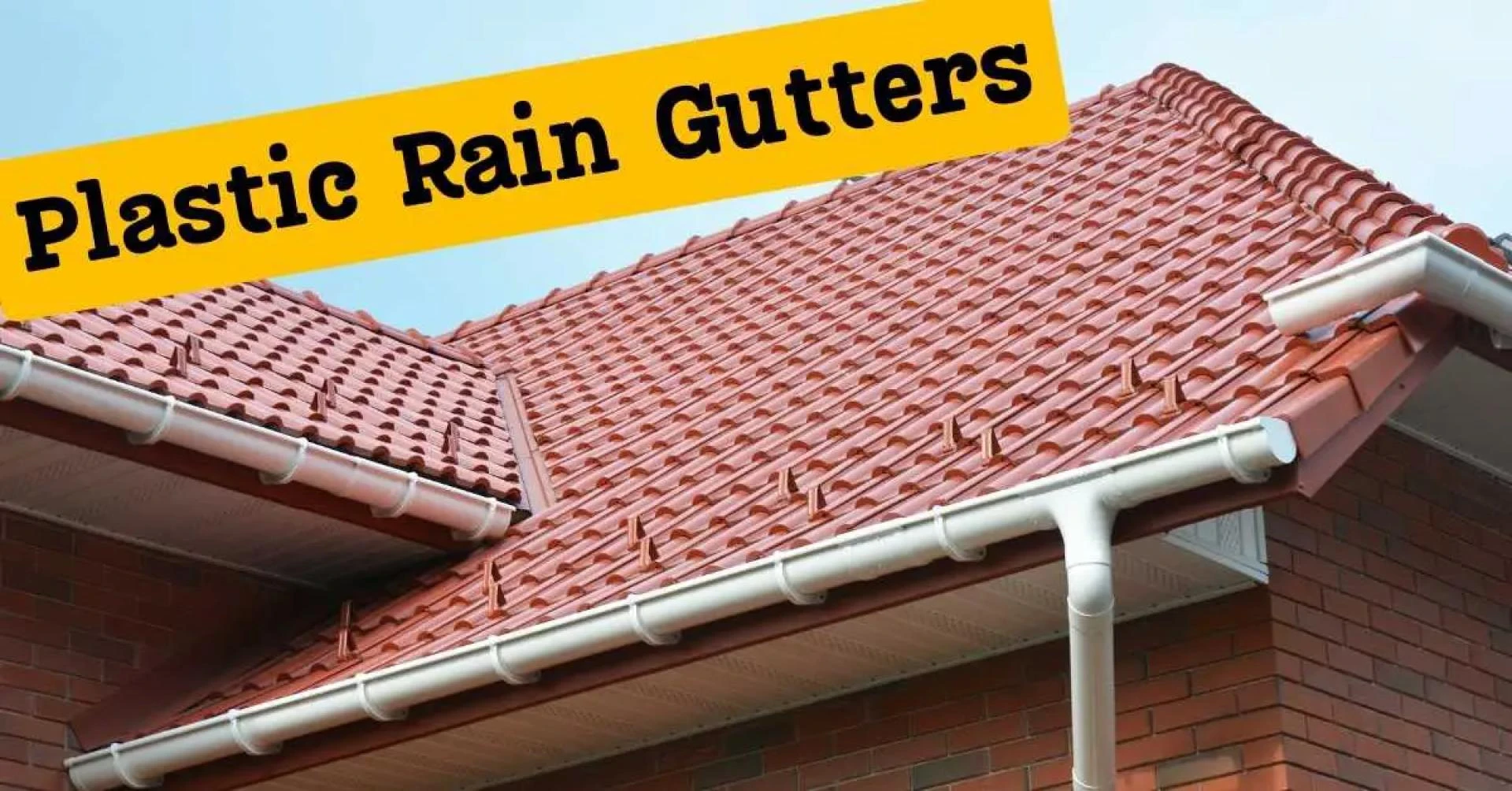

Gutters keep your home safe by moving rain away from the building. Plastic gutters are light, not too costly, and simple to put up. Our guide will tell you all you need to know about them, helping you pick the right ones for your home.
Types of Plastic Gutters
Choosing the right gutters protects your home and makes it look better. Among the choices, plastic gutters, particularly those crafted from PVC (Polyvinyl Chloride), shine due to their durability and flexibility. Let\'s delve into the popular shapes and how they fit with different home styles.
PVC Gutters: The Basics
PVC, a sturdy plastic, is widely used for rain gutters. It\'s loved for its resistance to decay and ease of customization. Unlike metal options, PVC won\'t rust or corrode, making it a long-lasting choice for any home.
Gutter Shapes: K-Style and Half-Round
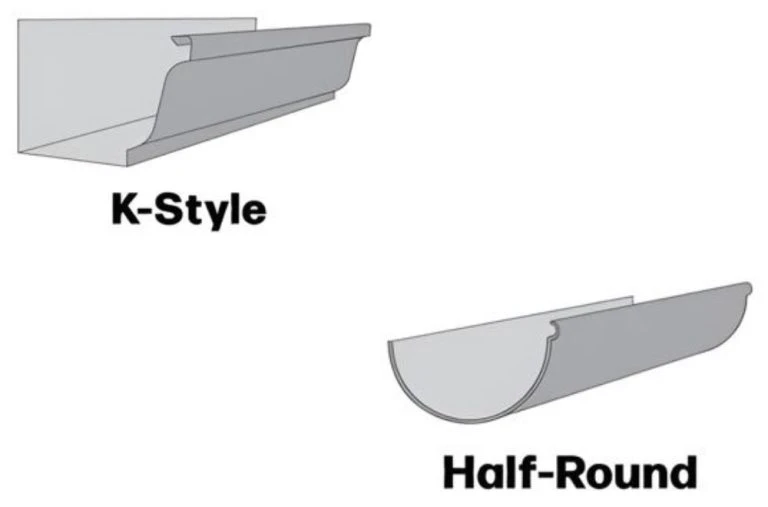
- K-Style Gutters: These gutters have a flat bottom and back, with the front often designed to mimic crown molding. K-style gutters are modern and can carry more water than other styles, making them a match for areas that see a lot of rain.
- Half-Round Gutters: Sporting a semicircular design, half-round gutters add a touch of classic elegance to a home. They\'re especially suited to older or historic homes, offering a traditional look.
Comparing Gutter Shapes
Feature | K-Style Gutters | Half-Round Gutters |
Look | Modern, mimics crown molding | Classic, timeless |
Water Capacity | High, handles more rain | Lower than K-style |
Best For | Newer homes, heavy rainfall areas | Historic, traditional homes |
Suitability for Architectural Styles and Climates
- K-Style Gutters: These are versatile and can blend well with many modern homes, including colonial, contemporary, and ranch styles. They hold a lot of water, so they\'re great for very rainy places.
- Half-Round Gutters: Best for homes with a traditional architectural style such as Victorian, Craftsman, or any historic reproduction. They work well in all climates but are particularly fitting for homes that value aesthetic appeal over maximum rainwater handling.
Choosing the right plastic gutter shape depends on your home\'s architectural style and your local climate. K-style and half-round PVC gutters are good for managing rain or adding style to your home.
Benefits of Plastic Gutters
- Cost-effective: Plastic gutters are less expensive than those made from metal. They are affordable for many homeowners.
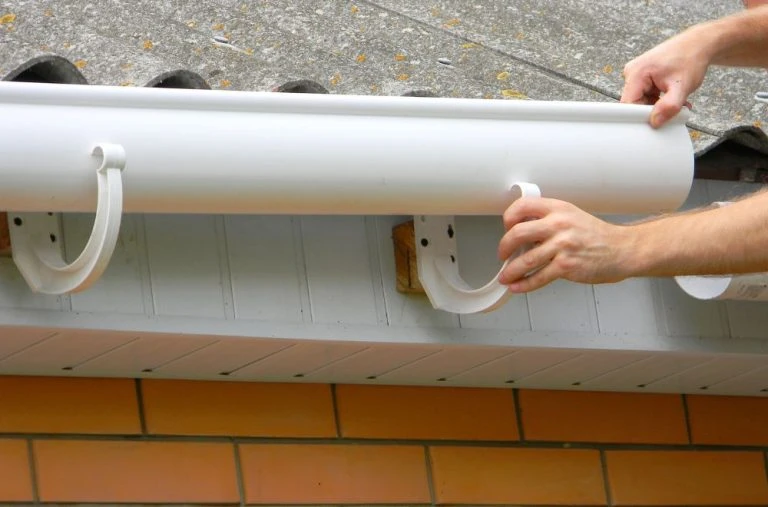
- Easy to install: Thanks to their lightweight nature, plastic gutters are simple to put up. This can often be a DIY project, saving on installation costs.
- Resistant to corrosion: Unlike metal, plastic gutters don\'t rust or corrode over time. This means they last longer without needing repairs.
- Doesn\'t fade: Plastic gutters maintain their color well, resisting the fading that can happen with prolonged exposure to the sun.
- Variety of choices: With a wide range of colors and styles, it\'s easy to find plastic gutters that match the look of your home perfectly.
Installation Considerations
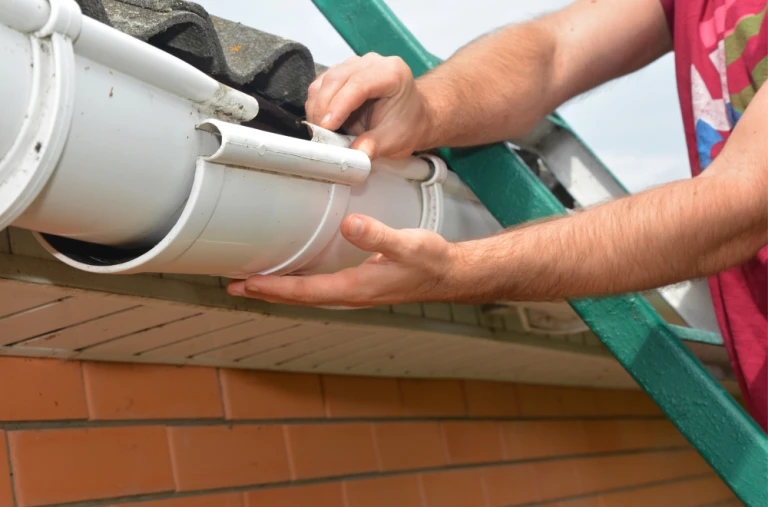
Installing plastic rain gutters is a great way to keep your home safe from water damage. Here are some key points to remember when setting them up:
- Get the Slope Right: It\'s important to have a slight slope towards the downspouts. This helps water flow easily without pooling. A good rule is a 1/2 inch slope for every 10 feet of gutter.
- Space the Hangers Well: Hangers keep your gutters attached to your house. They should be placed about every 2 feet to make sure the gutters are well-supported and don’t sag.
- Place Downspouts Wisely: Downspouts should be located at low points of the gutter system. Make sure they direct water away from your home\'s foundation to avoid any water damage.
DIY Tips vs. Professional Help: While installing plastic gutters can be a DIY project, it\'s important to know your limits. If your home is high or you\'re not comfortable with the installation, it might be safer to call a professional.
Tools and Safety Gear: You\'ll need a few basic tools like a ladder, drill, saw, and measuring tape. For safety, wear gloves and eye protection.
Remember, taking the time to install your gutters correctly can save you from troubles down the road. Whether you decide to do it yourself or hire an expert, following these tips will help ensure your gutters do their job well.
Maintenance and Durability
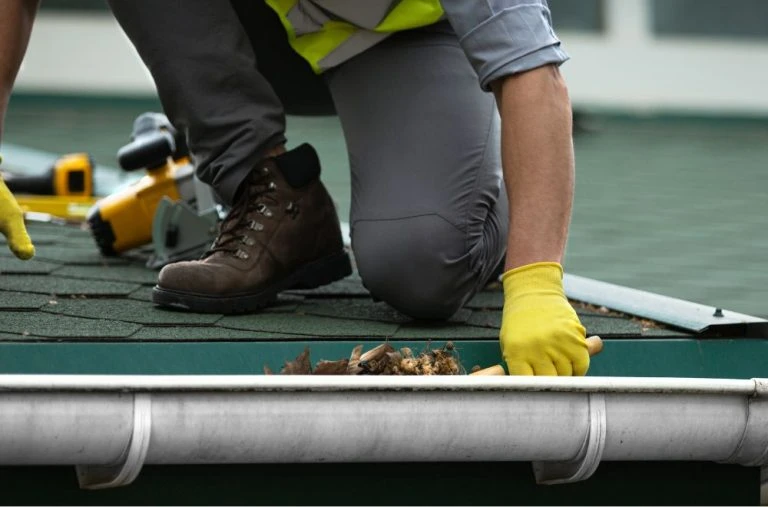
Keeping your plastic gutters in good shape helps them last longer and protect your home from water damage. Here’s how to maintain them and ensure they stay durable:
- Regular Cleaning: Remove leaves and debris from your gutters a few times a year. It stops clogs that could overflow and harm your home.
- Frequent Inspections: Check your gutters regularly for any signs of damage, such as cracks or sagging. Catching problems early can save you from bigger repairs later.
- Ensure Proper Flow: Make sure water flows freely through your gutters and downspouts. This might mean adjusting the slope or clearing out blockages in the downspouts.
Plastic gutters can last a long time, often up to 20 years or more, if they are well-maintained. Gutter life varies with the weather, nearby trees, and how you maintain them.
To prevent common issues:
- Avoid Sagging: Check the hanger spacing to make sure it\'s correct. Over time, gutters can sag if not properly supported.
- Stop Leaks: Seal any small cracks or holes with gutter sealant as soon as you notice them.
- Prevent Blockages: Use gutter guards to keep leaves and debris from clogging your gutters and downspouts.
By following these tips, you can keep your plastic gutters working well and looking good for years to come.
Environmental Impact
When we think about plastic gutters, it\'s important to consider their impact on the environment. Let\'s look at the pros and cons, as well as how we can be more eco-friendly with them.
Environmental Pros:
- Durability: Plastic gutters are long-lasting, which means they don\'t need to be replaced often. This reduces the amount of waste over time.
- Recyclability: Some types of plastic gutters can be recycled, which helps cut down on environmental waste.
Environmental Cons:
- Plastic Production: Making plastic gutters involves processes that can be harmful to the environment, including the use of fossil fuels.
- Disposal Issues: Not all plastic gutters can be recycled. If not disposed of properly, they can end up in landfills and take a long time to break down.
Eco-friendly Tips:
- Regular Maintenance: Taking good care of your gutters by cleaning them regularly and fixing any damage promptly can extend their life. This means you won’t need to replace them as often.
- Recycle: If you\'re replacing old plastic gutters, check if they can be recycled. Contact your local recycling center to see if they accept the type of plastic your gutters are made from.
- Eco-friendly Disposal: For gutters that can\'t be recycled, look for eco-friendly disposal options. Some companies specialize in environmentally friendly waste management.
By being mindful of these environmental impacts and following eco-friendly practices, we can enjoy the benefits of plastic gutters while minimizing their footprint on the planet.
Cost Analysis

When looking into plastic gutters for your home, understanding the costs involved is important. Let\'s break it down to make it easy to grasp.
Plastic Gutter Costs:
Plastic gutters are generally more affordable than their metal counterparts. The price for these gutters can vary, but they are known for being a budget-friendly option. Including the cost of installation, prices might start from a few dollars per foot, making them an attractive choice for those looking to save money.
Comparing with Other Materials:
- Metal Gutters (like aluminum and steel) are more expensive than plastic. They offer durability but at a higher initial cost. Over time, though, they may provide good value due to their longevity.
- Copper Gutters are at the high end of the cost spectrum. They\'re known for their beauty and durability but might not be necessary for everyone\'s budget.
Long-Term Value:
While plastic gutters might need replacing sooner than some metal options, their low initial cost makes them a value-effective choice for many homeowners. They won\'t rust or corrode, which is great compared to some metal gutters. Plus, if you\'re handy, you might save on installation costs by doing it yourself, something that\'s more manageable with plastic gutters due to their lightweight nature.
In summary, plastic gutters offer a cost-effective solution with a balance of durability and affordability. They are great for saving money and protecting your home from water damage.
Choosing the Right Plastic Gutters for Your Home

Choosing the right plastic gutters for your home involves a few key steps. Here’s how to make sure you pick the best ones:
- Consider Your Climate: If you live in an area with heavy rain or snow, you\'ll need gutters that can handle a lot of water. Places with strong winds might need gutters that are securely fastened to your home.
- Look at Your House Design: The style of your house affects the type of gutters you should choose. For example, modern homes might look better with sleek, K-style gutters, while traditional homes might suit classic half-round gutters more.
- Check Local Regulations: Some areas have rules about the type of gutters you can install. Checking these is smart before you decide.
Measuring Your Home for Gutters:
- Length: Measure the edges of your roof where gutters will go. This tells you how much guttering you\'ll need.
- Downspout Placement: Identify where downspouts would be most effective, usually at the low points of your gutter system.
Choosing Brands or Manufacturers:
When selecting gutters, it\'s crucial to go for reputable brands known for their quality and reliability. Look for companies with good reviews and warranties. Some well-regarded brands include Gutterglove, Amerimax, and FlexxPoint. They offer a range of plastic gutters that are durable and have been tested in various climates.
Think about these points, measure your house well, and pick a trusted brand to get plastic gutters that keep your home safe from water damage for a long time.
Common Problems and Solutions
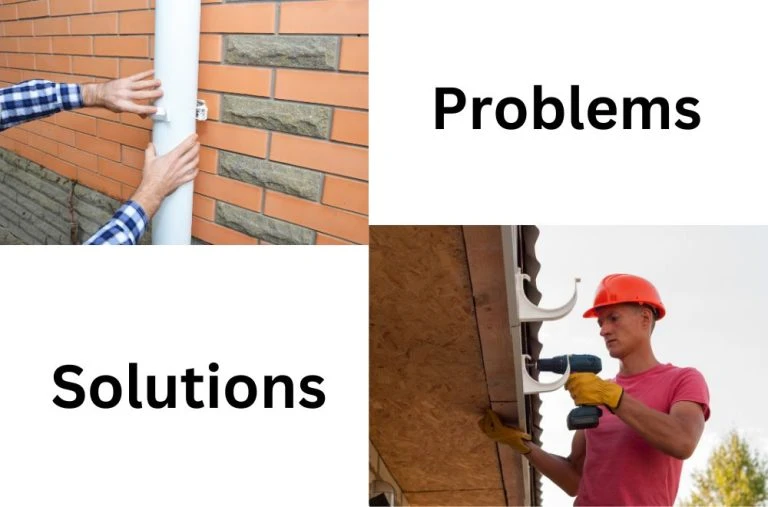
Plastic gutters are great for keeping rainwater away from your home, but sometimes issues can pop up. Here’s how to handle some common problems:
- Blockages: Leaves and debris can clog your gutters, stopping water from flowing. Solution: Clean your gutters regularly to remove any blockages. Consider installing gutter guards to keep debris out.
- Sagging: Gutters can start to sag if they\'re not properly supported. Solution: Check and adjust the hanger spacing to ensure they\'re close enough to keep your gutters level and supported.
- Leaks: Small cracks or holes can develop in plastic gutters. Solution: Use a gutter sealant to patch any leaks. Make sure the gutters are dry before applying the sealant.
- Overflowing: If water spills over the sides of your gutters during heavy rain, they might not be big enough to handle the flow. Solution: Consider upgrading to a larger size gutter or adding additional downspouts to improve drainage.
When to Repair vs. Replace:
- Repair if the issues are minor, like small leaks, blockages, or slight sagging. These can often be fixed easily without needing to replace your whole gutter system.
- Replace if the gutters are extensively damaged, constantly overflowing, or if repairs are becoming too frequent. Sometimes, installing new gutters is more cost-effective in the long run.
By staying on top of maintenance and addressing problems early, you can keep your plastic gutters in top shape, protecting your home from water damage for years to come.
Conclusion:
This guide has shown you everything about plastic rain gutters, from types and benefits to how to pick the right ones for your home. Plastic gutters are a smart, cost-saving option that can last long with the right care. They\'re good for managing water and protecting your home from rain damage. It\'s important to choose gutters that fit your home\'s needs and style. By following our tips on selection, installation, and upkeep, you\'ll make a choice that keeps your home dry and safe for many years.
FAQ
Are plastic gutters any good?
Yes, plastic gutters are effective and budget-friendly. They\'re durable, easy to install, and don\'t rust, making them ideal for many homes.
Which is better aluminium or plastic gutters?
Aluminum gutters are durable and resist rust, while plastic gutters are lightweight and easy to install. Choice depends on climate and maintenance preference.
What are the disadvantages of PVC gutters?
PVC gutters can become brittle and crack in extreme cold, may fade over time in strong sunlight, and aren\'t as strong as metal options, limiting their lifespan in harsh weather conditions.




Sign in to leave a comment.