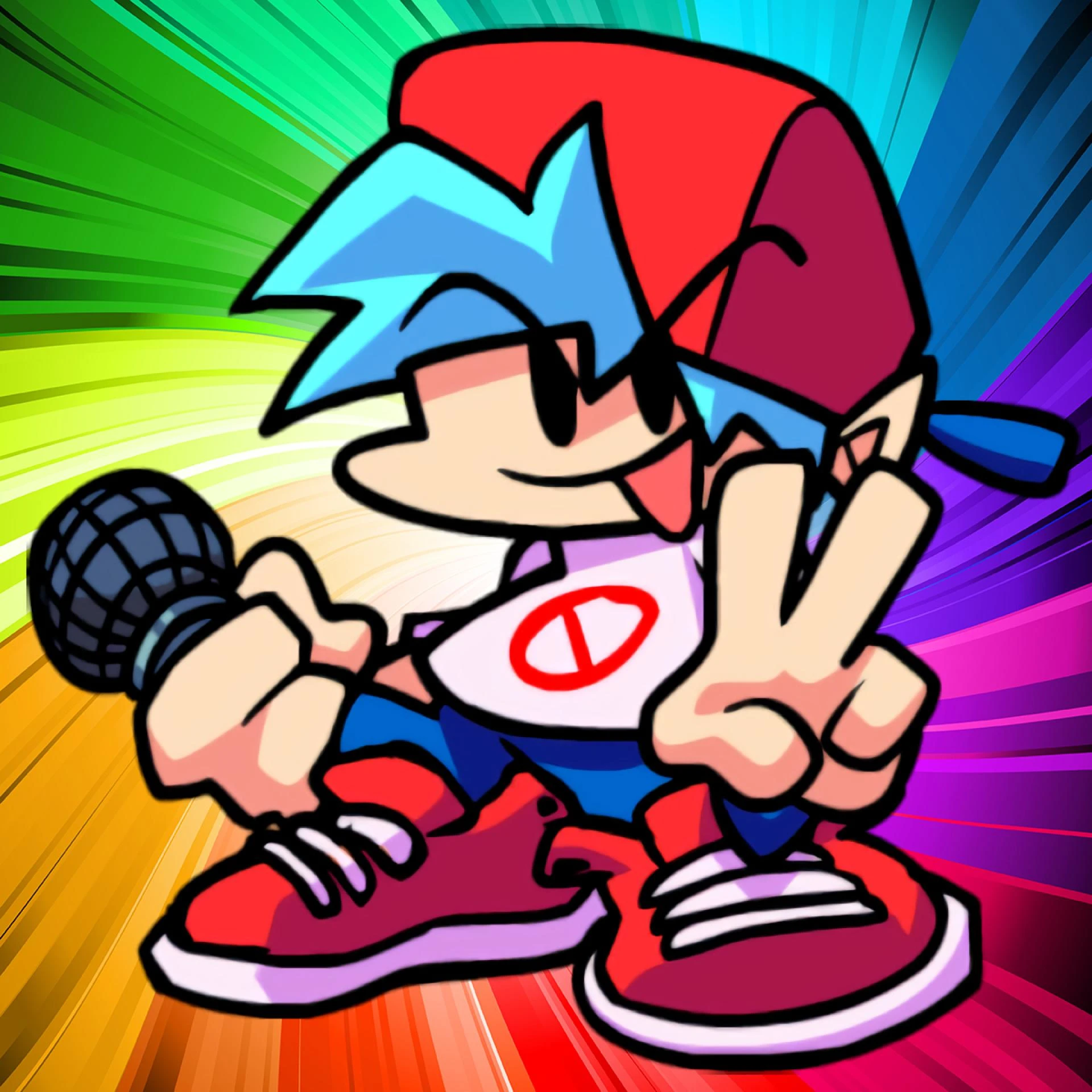

FNF is more than just another rhythm game; it's a cultural phenomenon that has reimagined the genre for a new audience. While paying homage to its predecessors, FNF establishes its own distinct identity through a combination of engaging music, a distinct visual style, and unprecedented community involvement. This study goes into the heart of FNF's appeal, examining the factors that catapulted it to fame and sealed its place in gaming history.xv
At its core, FNF provides a simple but interesting gameplay experience. Players take on the role of Boyfriend, navigating rhythmic battles against a broad variety of characters. The principles are simple to understand: players match on-screen instructions with precise keyboard inputs, generating a gratifying sense of synchrony with the music. However, this simplicity hides a surprising complexity. As players progress through the game's "weeks," they come across increasingly intricate song charts that require lightning-fast reflexes and a good sense of rhythm. This accessibility, along with a high ability ceiling, makes FNF appealing to both casual gamers and hardcore rhythm game fans.
However, FNF's popularity stems from more than just its gameplay. The game's attractiveness is heavily influenced by its aesthetic. FNF's presentation is vivid and visually appealing, inspired by the quirky and expressive style of Newgrounds flash animations. Each character is animated and has a distinct personality, while the settings are vibrant and stylish. This unusual art style, paired with the game's catchy and diverse soundtrack, results in an immersive experience that is both compelling and memorable. The music, which includes genres such as funk, hip-hop, and electronic, is catchy and nicely compliments the on-screen action. The game's art style and music combine to create a sensory experience that attracts players in and keeps them interested.
























Sign in to leave a comment.