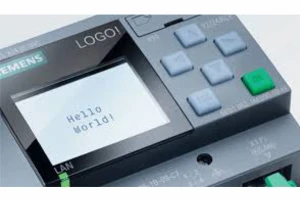

In the rapidly changing industrial world, automation is the key to efficiency, safety, and productivity. Industries are constantly looking for smarter ways to automate machines to avoid human errors. Among the most reliable technologies used for automation in the industrial world is PLC Motor Control. This technology helps industries control their machines, motors, and production lines.
What is PLC Motor Control?
PLC Motor Control is a technique of controlling electric motors by utilizing a Programmable Logic Controller for the sole purpose of controlling the motors. Instead of manually operating the motors by the use of switches, the operating function of the motors is entirely done by the Programmable Logic Controller.
In simple words, a Programmable Logic Controller is a device that runs the machine. It receives data from the sensor, processes the data, and then sends the signal to the motor.
For example, in the case of a conveyor belt machine, the Programmable Logic Controller runs the motor by the time the product is put inside the machine and stops the motor by the time the product is removed from the machine.
Why Industries Use PLC Motor Control
Today's industries have come to depend on automation in order to be competitive in their respective fields. PLC Motor Control has many benefits that make it an ideal choice for industries.
1. High Accuracy and Reliability
PLC is known for its reliability in harsh environments. They can withstand extreme temperatures, dust, vibration, and electrical noise.
2. Reduced Human Errors
Human errors can sometimes be costly for industries that employ manual control systems for their machines. With PLC Motor Control, machines can perform their functions according to their program.
3. Easy Monitoring and Control
In industries that employ PLC Motor Control, operators can monitor their machines from a central control panel. They can easily identify any problems that may arise.
4. Energy Efficiency
PLC systems help companies become more energy efficient. This is because they help companies utilize their motors more efficiently. Motors are used when they are required to run.
Key Components of a PLC Motor Control System
A standard PLC Motor Control System comprises a number of important components which work in unison to control the motor.
PLC Controller
A PLC acts as the brain of the Motor Control System. A program is stored in the PLC, and the program is executed according to the input signals.
Sensors and Input Devices
These devices sense the state of the machine, such as temperature, position, and pressure, and transmit the signal to the controller.
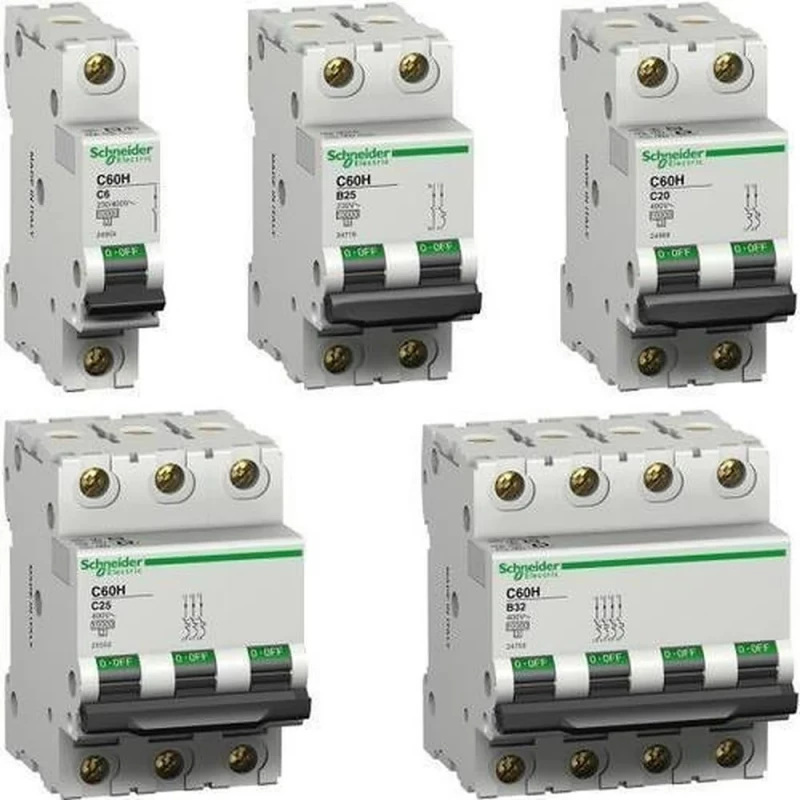
Motor Starters and Contactors
These devices control the voltage supplied to the motor.
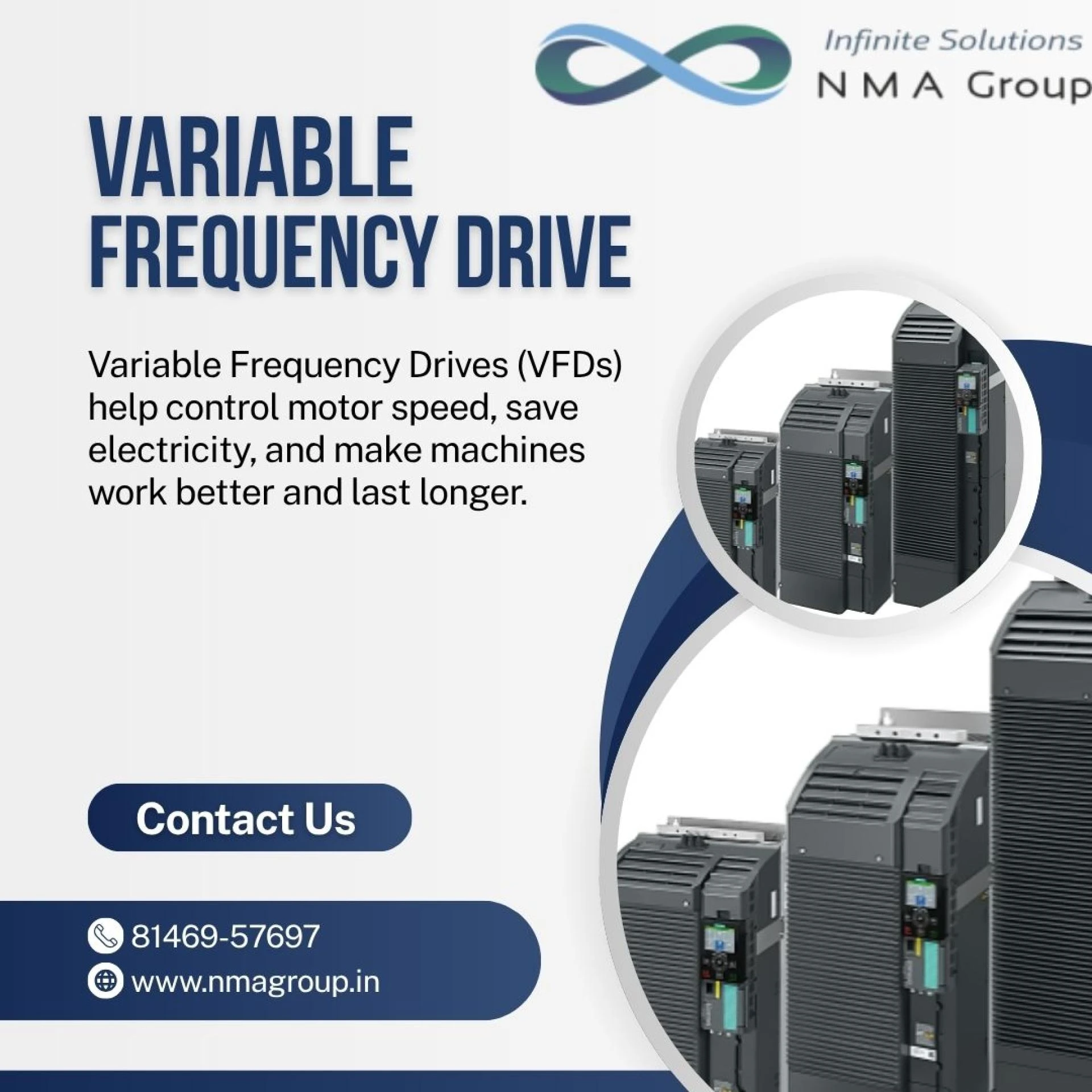
Variable Frequency Drives (VFDs)
VFDs are used for the control of the speed and torque of the motors, which can be more precisely done through automation.
Human Machine Interface (HMI)
HMI is used for the monitoring and control of the automation system through a display screen.
Thus, all the above-mentioned components are used for building up a powerful PLC Motor Control system.
Applications of PLC Motor Control in Industries
Today, the application of PLC Motor Control is found in many industries. Some of the applications are as follows:
Manufacturing Plants
In manufacturing plants, the motors used in assembly machines, conveyor machines, and robotic machines are automated using PLCs.
Packaging Industry
In the packaging industry, the motors used in the control of machines such as fillers, sealing machines, and label machines are automated using PLCs.
Water Treatment Plants
In water treatment plants, the motors used in the distribution and filtration of water are automated using PLCs.
Food Processing Units
In food processing units, the motors used in the control of machines such as mixers and conveyor machines are automated using PLCs.
Automotive Industry
In the automotive industry, the control of motors is used in machines such as robotic machines used in the manufacturing of vehicles and painting machines.
Benefits of PLC Motor Control for Businesses
Businesses that have adopted PLC Motor Control have enjoyed many benefits.
- Increased productivity: The motors can complete tasks faster.
- Reduced maintenance costs: The motors can identify problems, thus preventing breakdowns.
- Increased scalability: New machines can be easily integrated.
- Improved safety: Human contact is reduced.
- Real-time monitoring: Businesses can monitor their performance.
These benefits make it clear that PLC is an investment for any industry that wants an efficient solution for their motors.
Future of PLC Motor Control in Smart Factories
Future PLC Motor Control systems will be capable of incorporating the following:
- Remote monitoring through cloud platforms
- AI-based predictive maintenance
- Integration with smart sensors and robotics
- Real-time analysis of production data
Thus, the future PLC Motor Control systems are likely to be even more intelligent and efficient.
Conclusion
Today, the face of industries across the world is undergoing a change due to automation, and at the heart of this change is the PLC technology. By using this technology to automate motor control in industries, businesses can look forward to a brighter future.
"PLC Motor Control" presents a strong solution for the control of motors in industries. From simple machines to complex machines like production lines, the PLC motor control system presents a strong solution.
FAQs
1. What is PLC Motor Control?
PLC Motor Control is an automation system where the Programmable Logic Controller controls the functioning of the motor. It controls the motor's start, stop, and speed.
2. Why is PLC used for motor control?
PLC Motor Control is used for motor control because it is accurate, efficient, and automated. It minimizes the probability of human errors.
3. Where is PLC Motor Control used?
PLC Motor Control is used in industries such as manufacturing, packaging, water treatment, food processing, and the automotive industry.
4. What are the main components of a PLC motor control system?
The main components include the Programmable Logic Controller, sensor, motor starter, contactor, VFD, and Human Machine Interface.
5. Is PLC Motor Control suitable for small industries?
Yes, it is suitable for small industries.



















Sign in to leave a comment.