

The automotive industry has been moving toward cleaner and more flexible forms of transportation, and plug in hybrid cars have become an important part of that transition. These vehicles combine an electric powertrain with an internal combustion engine, allowing drivers to use electricity for shorter trips while retaining fuel-based driving capability for longer journeys. Understanding their technology, market growth, and efficiency can help consumers make more informed decisions about modern transportation.
How Plug-In Hybrids Work
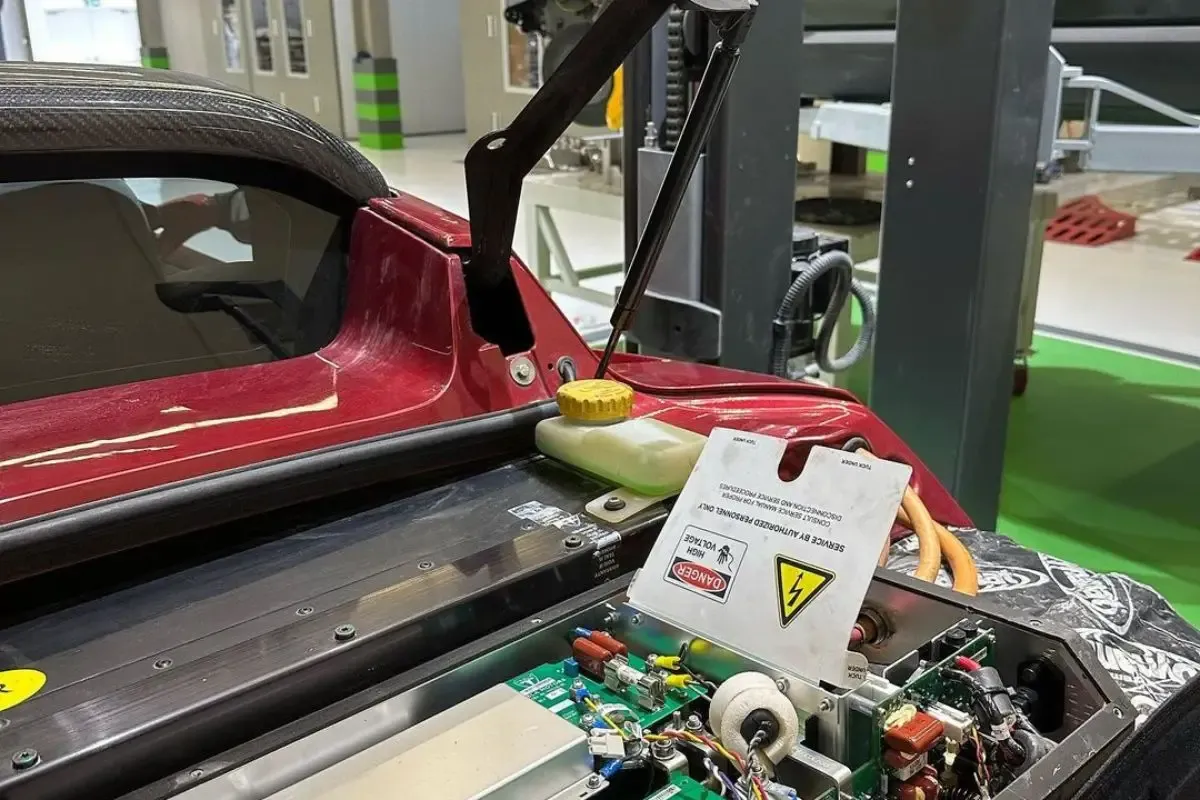
Plug-in hybrid vehicles use a rechargeable battery that can be charged through an external electrical connection. Unlike conventional hybrids, plug in hybrid cars have larger batteries that generally allow them to travel farther using electric power alone. Once the available electric energy is depleted, the vehicle can rely on its combustion engine and other hybrid systems.
This operating approach provides flexibility for drivers with different travel patterns. Daily commuting may be completed primarily with electric energy, while longer journeys can continue without depending entirely on public charging infrastructure.
Electric Driving Range
Electric-only range varies considerably between different vehicle designs and model years. Many modern plug-in hybrids can travel several dozen miles using battery power before switching to their combustion engine. The actual distance depends on factors such as battery capacity, driving conditions, temperature, traffic, speed, and use of climate-control systems.
For drivers with short daily commutes, this electric range can represent a significant portion of their regular travel. Charging at home overnight can also make it easier to begin each day with available battery capacity.
Charging and Energy Use
Charging time depends on battery size, charger capacity, and the vehicle’s onboard charging system. A standard household outlet can provide charging without specialized equipment, although it may take longer. Higher-powered home charging equipment can reduce charging time when the vehicle and electrical installation support it.
Energy consumption is another important consideration. Using electricity for more trips can reduce gasoline consumption, but the overall benefit depends on how consistently the vehicle is charged and how it is driven. Regular charging is therefore an important part of maximizing the potential efficiency of a plug-in hybrid.
Market Growth and Adoption
Interest in plug-in hybrid technology has increased as governments, automakers, and consumers have looked for ways to reduce transportation emissions while maintaining driving flexibility. Sales have expanded in several markets, although adoption rates vary according to fuel prices, charging infrastructure, incentives, regulations, and consumer preferences.
Industry statistics also show that electrified transportation is becoming more diverse. Battery-electric vehicles, conventional hybrids, and plug-in hybrids each serve different driving requirements. This variety gives consumers more options when considering fuel consumption, driving range, charging access, and long-term ownership needs.
Environmental Considerations
Plug-in hybrids can reduce tailpipe emissions during electric-only operation because the combustion engine is not being used for those journeys. Their overall environmental impact, however, depends on several factors, including how much electric driving occurs, the source of electricity used for charging, vehicle efficiency, and manufacturing processes.
Using electric power more frequently can generally increase the proportion of travel completed without direct fuel combustion. This makes driving habits and charging behavior important factors when evaluating the environmental benefits of the technology.
What the Statistics Tell Us
Statistics surrounding plug-in hybrid adoption highlight a broader shift toward electrification rather than a single replacement technology. Battery capacity, electric range, charging behavior, annual mileage, and fuel consumption all influence real-world results.
For consumers, the most useful statistics are often those that relate directly to personal driving patterns. Someone traveling only a short distance each day may benefit more from electric operation than someone regularly completing long highway journeys. Comparing estimated electric range and energy consumption with actual travel needs can provide a clearer picture than relying on headline figures alone.
The Future of Plug-In Hybrid Transportation
Plug-in hybrid technology continues to occupy a practical position between traditional combustion vehicles and fully electric transportation. Improvements in batteries, charging systems, efficiency, and vehicle design may further influence how these vehicles are used.
As charging infrastructure expands and electrified transportation becomes more familiar, plug-in hybrid cars are likely to remain relevant for drivers seeking a balance between electric driving and long-distance flexibility. Carman Hybrid Repair can also be a helpful resource for understanding hybrid battery care and maintenance when service needs arise. Understanding the statistics behind their operation can help consumers evaluate this technology based on practical needs rather than assumptions.
























Sign in to leave a comment.