
In fiber optic systems, signal routing sounds simple on paper. Light goes in, light comes out, and everything behaves. In real-world setups, though, polarization changes can quietly throw things off. That’s where a Polarization Insensitive Optical Circulator becomes a practical solution rather than just another component on the parts list.
DK Laser designs optical circulators specifically for environments where polarization isn’t predictable—or where controlling it would add unnecessary complexity. Instead of fighting polarization changes, these circulators are built to perform consistently regardless of how polarization drifts along the fiber.
Why Polarization Insensitive Matters in Practice
In many fiber systems, polarization varies due to temperature shifts, fiber bending, connector stress, or even vibration. Studies in telecom and sensing applications often point out that polarization-related fluctuations can introduce signal loss or instability in the range of 5–15%, depending on system sensitivity.
A Polarization Insensitive Optical Circulator removes that variable. It allows light to pass between ports based on direction, not polarization state. That makes system behavior more predictable, especially in long-term or field-deployed setups.
From personal experience, this kind of component is a lifesaver in systems where access is limited. Once everything is installed, you don’t want to troubleshoot performance drops caused by something as subtle as polarization drift.
What DK Laser Offers in Optical Circulators
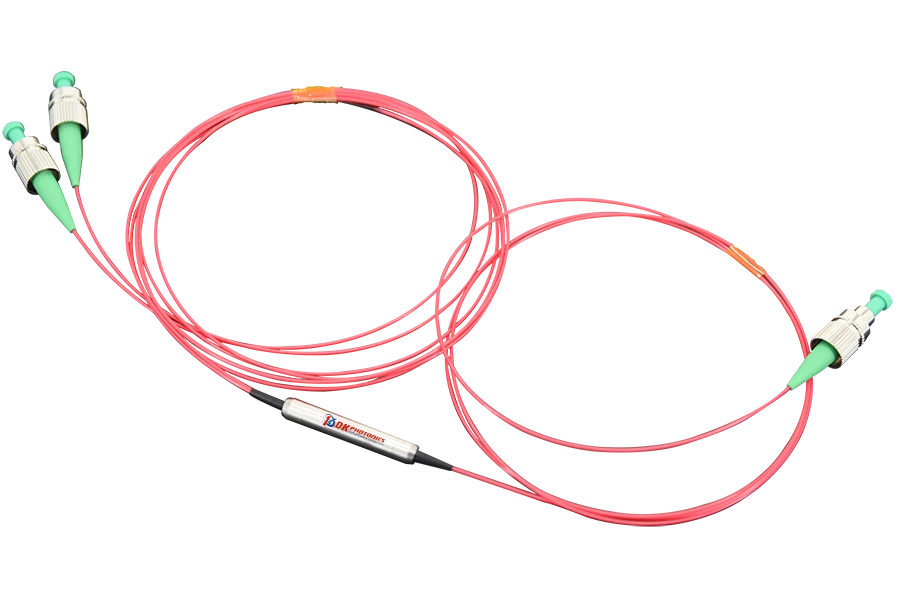
DK Laser’s optical circulator lineup covers a broad range of wavelengths and configurations. Their polarization insensitive models include options at 1310nm, 1550nm, 1064nm, and even 2μm, with both 3-port and 4-port designs available.
Each Polarization Insensitive Optical Circulator is designed to deliver:
- Low insertion loss
- High isolation between ports
- Stable performance across varying polarization states
- Compact, integration-friendly packaging
These circulators are commonly used in fiber laser systems, telecom networks, fiber sensing, and test and measurement environments.
Real-World Applications Where They Shine
In telecom systems, polarization insensitive circulators help maintain signal integrity in bidirectional transmission setups. In fiber sensors, they simplify system design by removing the need for polarization control components. In fiber lasers, they help route signals cleanly while reducing unwanted feedback.
I’ve seen lab setups where engineers initially used polarization-sensitive components to save cost, only to replace them later when stability became an issue. Switching to a Polarization Insensitive Optical Circulator often reduced troubleshooting time dramatically. Sometimes it’s not about squeezing maximum efficiency—it’s about consistent behavior day after day.
Polarization Insensitive vs. PM Circulators
It’s worth clarifying the difference. PM circulators are excellent when the entire system is polarization-maintaining and carefully controlled. But that’s not always realistic.
Polarization insensitive circulators are more forgiving. They’re ideal when fibers move, environments change, or polarization simply isn’t critical to system performance. DK Laser offers both types, which makes it easier to choose based on application needs rather than forcing a one-size-fits-all solution.
Practical Tips Before Choosing a Circulator
If you’re selecting a circulator, a few considerations help avoid surprises:
- Match the wavelength exactly (1310nm vs. 1550nm matters)
- Decide between 3-port or 4-port based on routing needs
- Check insertion loss limits, especially in low-power systems
- Consider environmental stability if temperature varies
DK Laser supports multiple configurations, so systems don’t need to be redesigned just to accommodate a standard part.
Why Engineers Choose DK Laser
DK Photonics Technology Limited has built its reputation by focusing on optical passive components for telecom, fiber sensors, and fiber lasers. Their Polarization Insensitive Optical Circulator products reflect that experience—practical designs, consistent specs, and options that match real-world demands.
In optical systems, predictability is everything. When polarization stops being a concern, teams can focus on performance, testing, and scaling instead of constant fine-tuning.




























Sign in to leave a comment.