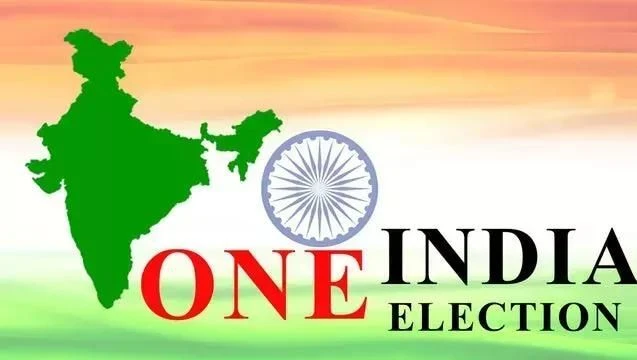

In the dynamic landscape of politics, discussions surrounding electoral reforms have always been at the forefront. One such reform that has gained considerable attention in recent years is the concept of "One Nation, One Election" (ONOE). This proposal, aiming to synchronize the timelines of various elections in India, has sparked debates among policymakers, politicians, and citizens alike. In this article, we delve into the idea of political synergy and explore the potential benefits and challenges associated with the implementation of One Nation, One Election.
Understanding One Nation, One Election:
The core principle behind One Nation, One Election is to streamline the electoral process by holding all elections—be it at the central, state, or local levels—simultaneously. Currently, India witnesses a continuous cycle of elections, with polls being held at different times for the Lok Sabha (parliament), state assemblies, and local bodies. Proponents of ONOE argue that a synchronized election schedule would reduce the burden on both administrative resources and the electorate.
Benefits of One Nation, One Election:
Cost Efficiency: Conducting multiple elections at different times incurs significant costs in terms of security, logistics, and manpower. By consolidating elections, the financial burden on the government can be substantially reduced, allowing for more efficient allocation of resources.
Administrative Ease: Coordinating and managing elections at various levels demand considerable administrative effort. One synchronized election could simplify the process, making it easier for the Election Commission and other administrative bodies to conduct smooth and efficient elections.
Enhanced Governance: Frequent elections often disrupt the normal functioning of governance. With a synchronized election cycle, elected representatives can focus on governance without the distraction of impending elections, potentially leading to better policy implementation and development initiatives.
Reduced Voter Fatigue: Continuous election cycles can lead to voter fatigue, where citizens may become disenchanted with the electoral process. One Nation, One Election aims to address this issue by reducing the frequency of elections, encouraging higher voter turnout and a more engaged electorate.
Challenges and Concerns:
Constitutional Hurdles: Critics argue that implementing One Nation, One Election may require amendments to the Constitution. The current constitutional provisions do not specify a fixed term for state assemblies, and syncing elections may infringe upon the federal structure by diluting the states' autonomy.
Political Opposition: Opposition parties fear that a synchronized election may benefit national parties at the expense of regional ones. Smaller parties argue that simultaneous elections might dilute their voices and resources, skewing the political landscape in favor of larger, more established parties.
Logistical Challenges: Coordinating elections across the vast and diverse geography of India poses significant logistical challenges. Ensuring the deployment of security forces, managing electronic voting machines, and maintaining electoral integrity on such a massive scale are formidable tasks.
Public Awareness and Education: Implementing One Nation, One Election would require extensive public awareness campaigns to educate voters about the changes in the electoral process. Ensuring that citizens understand and adapt to the new system is crucial for its success.
Conclusion:
The concept of One Nation, One Election is a visionary proposal aimed at streamlining the electoral process in India. While it offers potential benefits such as cost efficiency, administrative ease, and enhanced governance, there are legitimate concerns and challenges that need to be addressed. Striking a balance between the advantages and drawbacks is essential for ensuring that any electoral reform aligns with the democratic principles upon which the Indian political system is built. As the nation continues to debate the merits of One Nation, One Election, it is clear that any decision on this matter will shape the future trajectory of Indian democracy.
































Sign in to leave a comment.