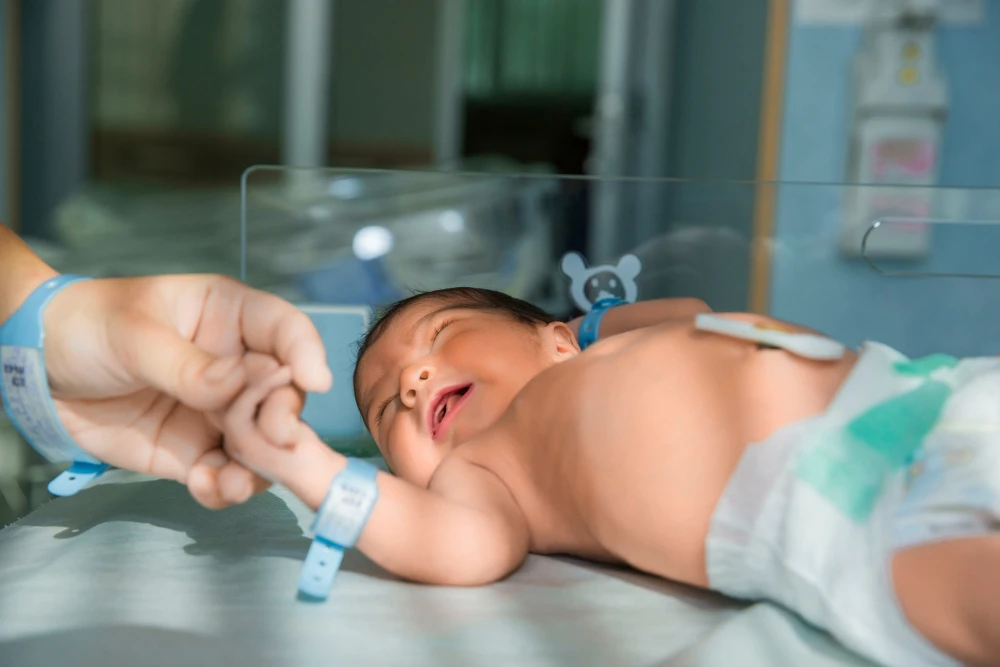

Circumcision is a common surgery performed on newborns, babies, and toddlers because of religious, cultural, or medical reasons. Though the whole process usually takes a very short time and is considered safe when performed by a qualified healthcare professional, the recovery afterward requires tender care and attention. Appropriate post-circumcision care offers faster healing, less discomfort, and helps prevent complications related to infection or irritation. To parents, knowing what to expect and how to care for their child after the procedure makes all the difference in ensuring a smooth, hassle-free recovery.
Circumcision: Knowing the Procedure and Its Purpose
Circumcision is a surgical procedure that involves the removal of the foreskin, which is the skin that covers the tip of the penis. The reasons for performing circumcision vary culturally, religiously, or to prevent certain health problems, such as phimosis and recurring infections. It is most often performed on newborns, within the first few days of life; however, it can be performed in babies and toddlers as well, but this depends on particular medical or personal reasons. Whatever the reason, aftercare is equally important as the surgery itself, since proper aftercare means minimal discomfort with the best chance for optimal healing.
Immediate Care After Circumcision
During the first few hours after the circumcision, the area may be somewhat red, swollen, or bruised, which is often normal. The healthcare provider usually dresses the area in a protective gauze and applies petroleum jelly or antibiotic cream to it to prevent the diaper from sticking to the wound. Parents are usually advised to keep their baby quiet, watch for excessive crying, and follow any physician's orders precisely. If the newborn has been circumcised with local anesthesia, some sensitivity or irritability can occur when the anesthetic is wearing off.
Keep the Area Clean and Dry
One of the important steps in post-circumcision care is maintaining cleanliness. In addition, keep the area clean and dry to avoid infection. Gently bathe the circumcision area with warm water only at a diaper change or during bath time. Avoid using soap, baby wipes, or alcohol-based solutions on the wound for at least one week because they may cause irritation. Dry the area by gently patting it instead of rubbing, using a soft cloth. More frequent diaper changes are advised, especially in the first couple of days, to minimize exposure to moisture and bacteria.
Apply Ointment and Dressing
Most healthcare providers advise applying petroleum jelly or another type of antibiotic ointment, like bacitracin, to the circumcision site at every diaper change. This keeps the wound moist and also protects the site from any friction caused by the diaper that could promote infection. In babies, the area can be covered with gauze for extra protection; after a couple of days, the dressing will often fall off by itself, or can be gently removed. Do not discontinue using the ointment just because the gauze has been taken off, but rather continue until the skin is completely healed.
Pain and Discomfort Management
Though this is a minor surgical procedure, circumcision can cause slight discomfort or irritability to the baby. Pain relievers such as acetaminophen as prescribed by the doctor can easily soothe them. Light swaddling of your baby or allowing him to suck on a pacifier may comfort him. For toddlers, recovery can be easy with lots of cuddling, storytelling, and quiet games. No numbing creams or ointments should be used without advice from the pediatrician.
Signs of Normal Healing
These first few days may include slight redness at the site, a yellowish discharge, or some scabbing. Parents should expect these as normal signs of healing rather than signs of infection. In some cases, the tip of the penis might appear somewhat swollen, or there might be a little crust on the tip; this usually heals within the next 7 to 10 days. At the end of the second week, any wound usually heals. For toddlers, it might take a little longer since they tend to move and crawl more.
Look for Warning Signs
Though rare, complications may arise, so it’s important to know when to seek medical attention. The following symptoms require immediate consultation from your doctor:
- Bleeding does not stop after the application of gentle pressure.
- Pus-like discharge, or foul odor
- Fever or increased irritability
- Severe swelling or discoloration
- Difficulty urinating or fewer wet diapers than usual
This will ensure that any probable infection or issue is treated promptly before it gets out of hand.
Diaper and Clothing Tips
During the healing phase, loose-fitting diapers or soft cotton underwear are best. A tight diaper or synthetic fabrics irritate the injury. Changing diapers for newborns quite frequently protects them from coming in contact with their urine or stool, which may interfere with the process of healing. Parents can use either cloth diapers with a waterproof layer or disposable ones for convenience. In either case, the diaper area should be kept clean and dry at all times.
Bathing After Circumcision
You should not put the baby completely in the bath until the circumcision site is healed. Sponge baths are usually recommended for the first few days. After your healthcare provider gives you approval, you can give him gentle baths in lukewarm water. You want to avoid using bubble baths or harsh soaps as this will irritate the healing tissue. After bathing, gently pat this area dry and apply more petroleum jelly as previously instructed.
Caring Tips for Toddlers
Recovery care for circumcised toddlers is slightly different: because they are always running around, friction and irritation should be avoided. Wear loose, airy clothing and very gently change their diapers, if they still use them. Explain to them in a tender manner why they may have some discomfort. Keep them off playing in water, sand, or dirt until it has healed. Engage them in quiet indoor play activities rather than outdoors, which may be too rough for them.
Frequently Asked Questions (FAQs)
1. How long does it take for a baby to heal after a circumcision?
While most newborns take 7-10 days to recover, older babies and toddlers might take up to two weeks.
2. Can I bathe my baby after a circumcision?
Avoid full baths for the first few days. Give sponge baths until the wound is healed.
3. What if the gauze sticks to the penis?
Soak the area in warm water gently to loosen the gauze; never pull it off forcefully.
4. Is it normal to see yellow crust or discharge?
Yes, mild yellow crusting may be seen. This is part of the normal healing process. It should not be foul-smelling or cause swelling.
5. How can I prevent infection?
Keep the area clean, change diapers frequently, and use petroleum jelly as advised by the healthcare provider.
Conclusion
Care after circumcision requires a lot of patience, cleanliness, and comfort. Knowing how to take proper care toward ensuring a smooth and safe recovery. Monitor healing daily, follow your pediatrician’s instructions, and at no time hesitate to get advice should something feel off. With proper care and a gentle approach, your little one will heal up in no time and very comfortably. If you're considering, or have recently undergone, circumcision surgery, consult with a trusted healthcare provider who can deliver expert guidance and reassurance through the process.




























Sign in to leave a comment.