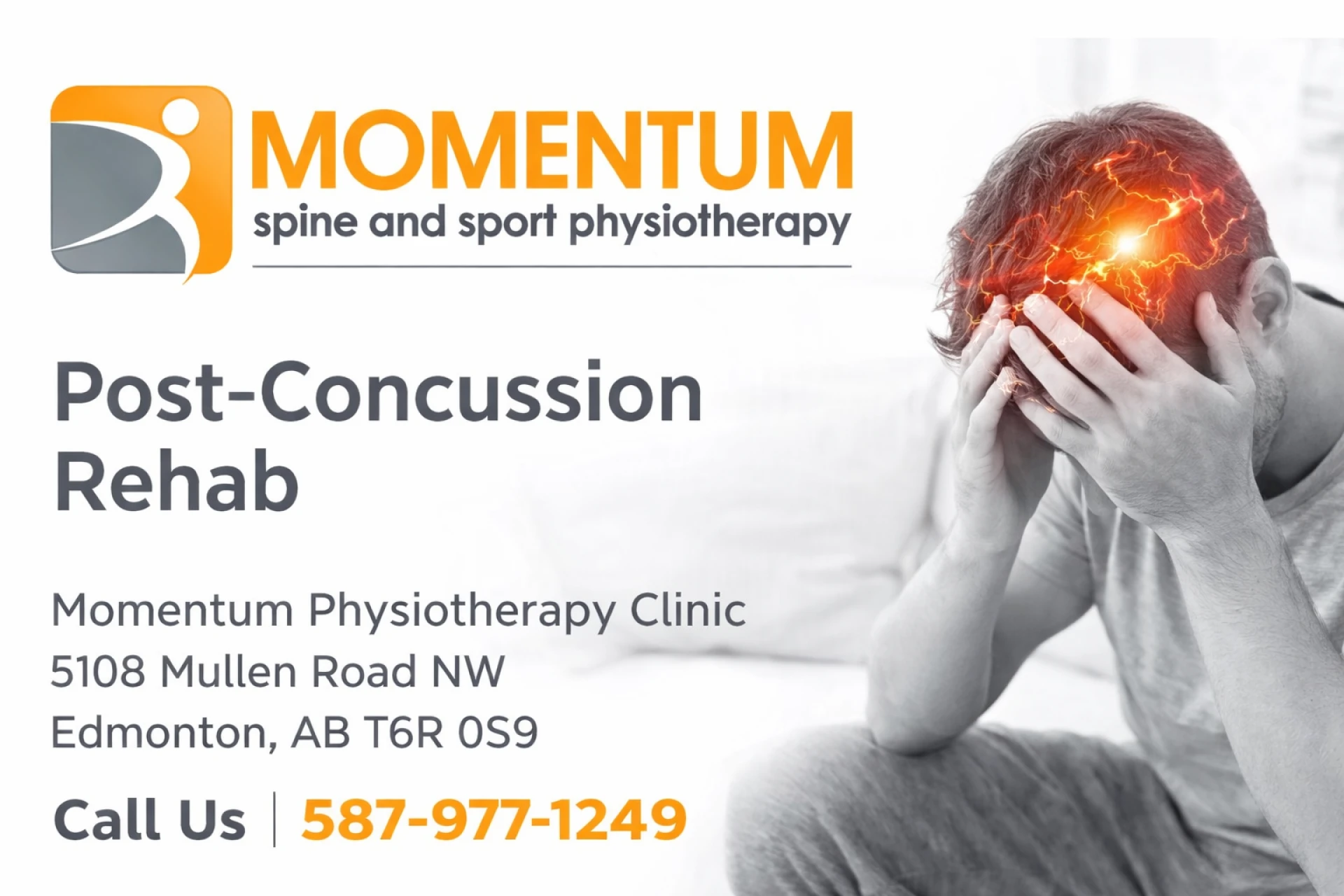
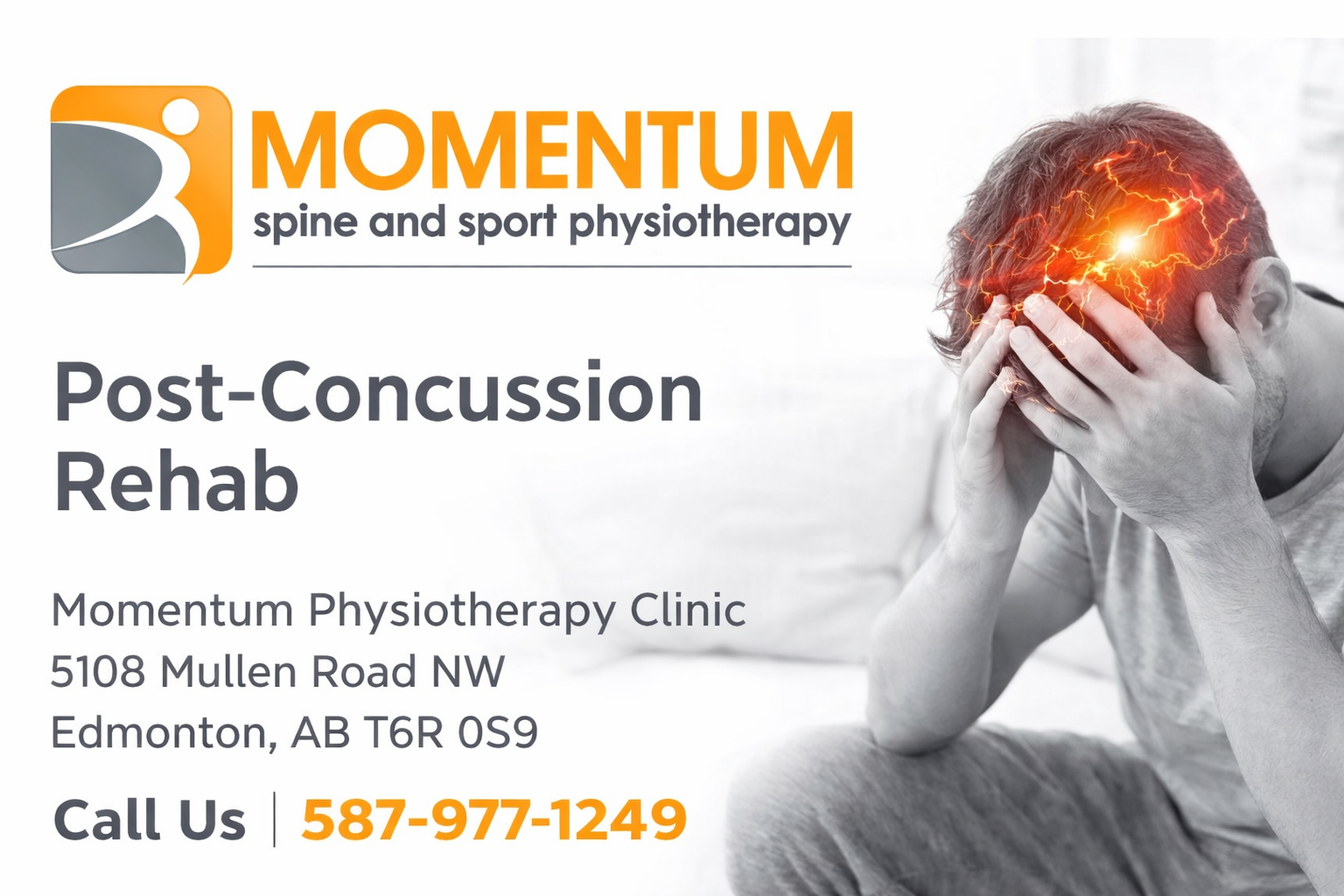
A concussion can disrupt more than just your physical comfort. It can affect how you think, sleep, focus, and move through your day. For many people, symptoms linger longer than expected, making work, school, sports, and even simple daily tasks feel challenging.
If you’re searching for post-concussion rehab in Edmonton, you’re likely looking for clarity and reassurance. Recovery is rarely a straight line—but with guided support, steady progress is possible.
Let’s explore what post-concussion rehabilitation involves and how it can help you regain confidence in your daily life.
Understanding a Concussion
A concussion is a mild traumatic brain injury that often occurs after:
- A sports collision
- A fall
- A motor vehicle accident
- A direct blow to the head
Symptoms may appear immediately or develop over several hours or days.
Common signs include:
- Headaches
- Dizziness or balance issues
- Sensitivity to light or noise
- Difficulty concentrating
- Fatigue
- Irritability or mood changes
While many people recover within weeks, others experience symptoms that persist. This is where structured post-concussion rehab becomes important.
What Is Post-Concussion Rehab?
Post-concussion rehab is a personalized rehabilitation program designed to help reduce ongoing symptoms and restore normal function.
Rather than focusing on just one symptom, rehabilitation looks at the whole picture, including:
- Physical symptoms
- Cognitive challenges
- Visual or balance concerns
- Neck-related discomfort
Each plan is tailored to your specific experience and daily demands.
Why Early Support Matters
Ignoring persistent symptoms can make daily life more difficult. Early assessment allows a physiotherapist to:
- Identify triggers that worsen symptoms
- Guide safe return to activity
- Provide gradual exposure strategies
- Support pacing techniques
Rehabilitation does not mean pushing through discomfort. It means progressing carefully and intentionally.
What to Expect During Post-Concussion Rehab
Every concussion is different. Your rehab plan will reflect your unique symptoms and goals.
1. Thorough Assessment
Your first visit may include:
- Discussion of injury history
- Review of current symptoms
- Balance testing
- Vision screening
- Neck mobility assessment
This helps identify contributing factors.
2. Symptom-Guided Exercise
Gentle, monitored exercise can support recovery. This may include:
- Low-intensity aerobic activity
- Gradual heart rate progression
- Supervised movement drills
Activity is introduced carefully to avoid symptom flare-ups.
3. Vestibular Rehabilitation
If dizziness or balance issues are present, treatment may involve:
- Balance training
- Head movement exercises
- Eye tracking activities
These exercises help retrain coordination between the eyes, inner ear, and brain.
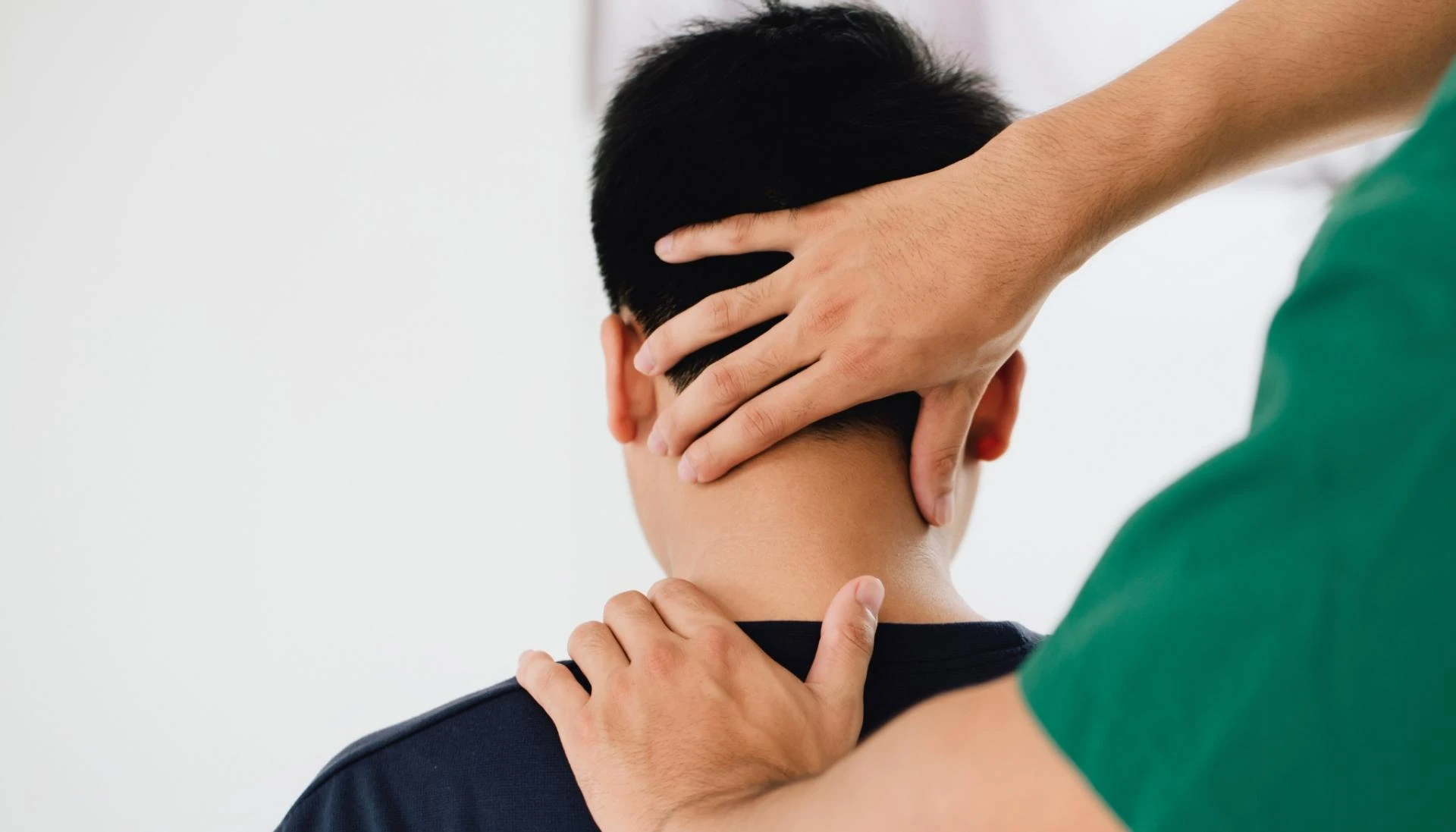
4. Neck and Postural Therapy
Neck stiffness often accompanies concussion. Treatment may focus on:
- Gentle mobility work
- Postural correction
- Strengthening deep neck muscles
Addressing neck tension can sometimes reduce headaches and discomfort.
5. Cognitive and Activity Pacing Strategies
Many people struggle with mental fatigue. Your physiotherapist may guide you on:
- Breaking tasks into manageable blocks
- Scheduled rest periods
- Gradual return-to-work or school planning
This structured pacing supports steady improvement.
Post-Concussion Rehab for Athletes in Edmonton
In a sports-focused city like Edmonton, concussions are common in:
- Hockey
- Soccer
- Football
- Basketball
- Ringette
Returning to sport requires more than symptom resolution. A step-by-step return-to-play progression helps ensure safe participation.
This typically includes:
- Light aerobic activity
- Sport-specific movement
- Non-contact practice
- Gradual reintroduction to competition
Each stage is monitored carefully.
Post-Concussion Rehab After a Car Accident
Concussions frequently occur during motor vehicle accidents. In these cases, individuals may also experience:
- Whiplash
- Neck pain
- Shoulder tension
- Fatigue
An integrated rehabilitation plan addresses all contributing factors—not just head symptoms.
Signs You May Benefit from Post-Concussion Rehab
Consider booking an assessment if you notice:
- Persistent headaches
- Ongoing dizziness
- Difficulty focusing
- Sleep disturbances
- Sensitivity to busy environments
- Fatigue that limits daily activities
You do not need to wait months to seek help. Early guidance often provides clarity and direction.
Supporting Your Recovery at Home
While professional guidance is essential, small daily habits also matter.
Helpful strategies may include:
- Maintaining consistent sleep routines
- Limiting screen exposure during flare-ups
- Staying hydrated
- Taking structured rest breaks
- Gradually increasing activity
Recovery is rarely about total rest. It’s about balanced progression.
Emotional Well-Being During Recovery
It’s normal to feel frustrated or discouraged during concussion recovery. Many people worry when symptoms last longer than expected.
Remember:
- Healing timelines vary
- Progress may come in small steps
- Support is available
Post-concussion rehab addresses both physical and functional concerns so you can feel supported at every stage.
Frequently Asked Questions (FAQ Schema Style)
What is post-concussion rehab?
Post-concussion rehab is a structured rehabilitation program that helps individuals manage lingering symptoms after a concussion. It may include exercise therapy, balance training, and pacing strategies.
How long does post-concussion recovery take?
Recovery time varies for each person. Some improve within weeks, while others benefit from guided rehabilitation over a longer period.
Can physiotherapy help with dizziness after a concussion?
Yes. Vestibular rehabilitation exercises are often used to address dizziness and balance concerns following a concussion.
When should I start post-concussion rehab?
If symptoms persist beyond the initial days after injury or interfere with daily activities, it is helpful to seek an assessment.
Is it safe to exercise after a concussion?
Light, supervised exercise is often introduced gradually during rehabilitation. Your physiotherapist will guide you based on your symptom tolerance.
Regain Confidence with the Right Support
Concussion recovery can feel uncertain—but you don’t have to navigate it alone. With structured Momentum Spine & Sports Physiotherapy, personalized care, and gradual progression, many individuals regain clarity, stability, and confidence in their daily routines.
If you’re in Edmonton and experiencing ongoing symptoms after a concussion, professional support is available close to home.
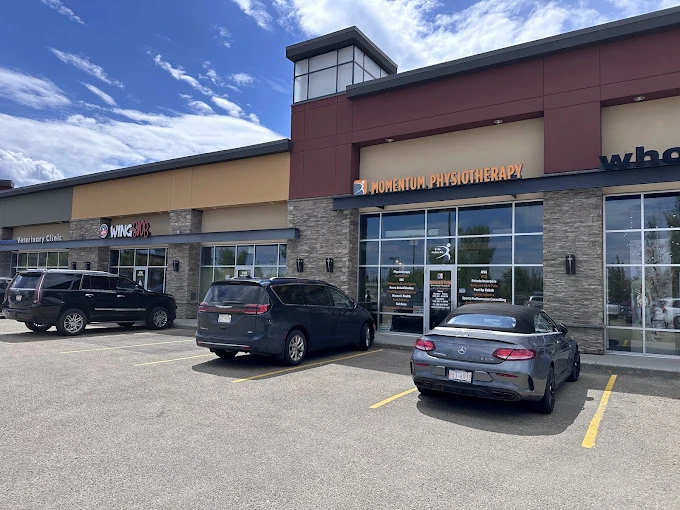
Momentum Spine & Sports Physiotherapy
📍 5108 Mullen Road NW
Edmonton, AB T6R 0S9
📞 Call Us: 587-977-1249
📧 E-Mail Us: [email protected]
Book your appointment today and take the next step toward steady recovery.
#PostConcussionRehab #ConcussionRecovery #EdmontonPhysiotherapy #VestibularRehab #MotorVehicleAccidentRecovery #SportsInjuryEdmonton #BrainHealthSupport
Sign in to leave a comment.