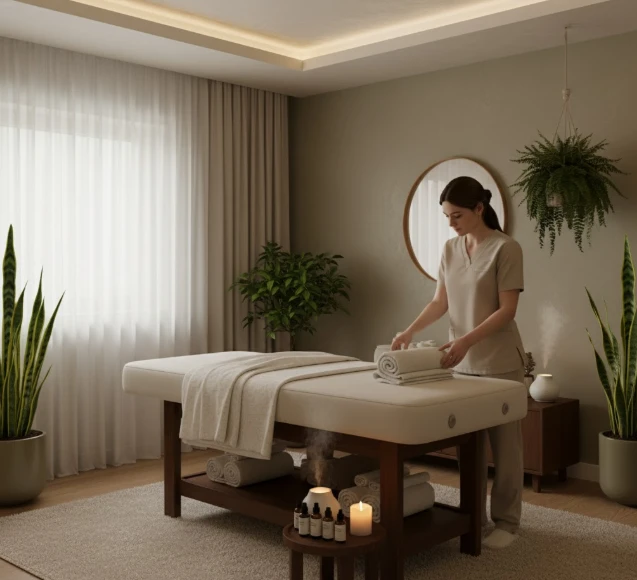
Getting a massage is an incredible way to relieve stress, reduce muscle tension, and promote overall wellness. However, the benefits of your massage extend beyond the session itself. How you care for your body after the massage can significantly enhance the results and help you maintain a sense of relaxation, mobility, and relief long after you've left the massage table. To ensure you’re maximizing the benefits, here are some essential post-massage care tips that will keep you feeling great.
1. Stay Hydrated to Flush Out Toxins
One of the most important things you can do after a massage is drink plenty of water. Your registered massage therapist in Langley will likely encourage you to hydrate after your session, and for good reason. During a massage, your muscles are manipulated, which helps release toxins stored in your muscles and tissues. Drinking water after a massage helps flush out these toxins, reducing the risk of feeling sore or fatigued. Aim for at least 8-10 glasses of water throughout the day, especially within the hours following your massage. This will not only help you feel better but also keep your muscles lubricated, aiding in a quicker recovery.
2. Avoid Strenuous Activity
After a massage, your muscles are likely to feel relaxed and may be in a more flexible state than usual. While this is fantastic for your mobility, it also means you should take care not to overexert your body right after the session. Intense physical activity can undo the benefits of your massage and even lead to soreness or discomfort. For the next 24 hours, try to avoid heavy exercise, lifting, or activities that may strain your muscles. Instead, engage in gentle stretches or light movements, such as walking or yoga, to maintain the flexibility you've gained.
3. Give Yourself Time to Rest
A good massage can often feel like a mini-reset for your body, but it also leaves your body in a state of relaxation. It’s essential to allow your body time to rest and fully absorb the benefits of the treatment. After your session, take some time to relax, whether that means lying down, taking a nap, or simply resting in a quiet space. This is especially important if you have experienced a deep tissue massage or a more intense technique, as your muscles may require time to fully recover. The more rest you allow, the better your body will respond and maintain the relief you gained during the session.
4. Soak in a Warm Bath or Use Heat Therapy
If your muscles still feel tense or slightly sore after a massage, a warm bath or heat therapy can be a great way to extend the benefits of your session. Soaking in a warm bath with Epsom salts can help soothe any lingering muscle tension and increase circulation, promoting faster healing. Alternatively, you can apply a warm compress to any particularly tight areas to maintain the deep relaxation your registered massage therapist in Langley worked to achieve. Avoid applying ice directly to your muscles, as this can reduce circulation and hinder your body’s natural healing process.
5. Stretch and Move Gently
Massage therapy can increase the range of motion in your muscles, but it’s important to keep them moving gently to maintain that flexibility. Light stretching after your massage helps to keep muscles from stiffening up and preserves the benefits of the session. Your therapist may offer specific stretches or mobility exercises that you can do at home, targeting areas that needed extra attention. Just make sure to listen to your body: don’t push yourself into any discomfort, and aim for slow, controlled stretches to complement the massage work.
6. Watch for Any Discomfort or Side Effects
While most people feel fantastic after a massage, some may experience mild soreness, especially if the therapist worked on areas of deep tension or tightness. This is usually normal and a sign that your body is adjusting. However, if you notice persistent or severe pain after the session, it's a good idea to reach out to your registered massage therapist in Langley to discuss what happened. Your therapist may recommend adjustments in future treatments or help you address any concerns. Additionally, a gentle walk, stretching, or applying heat to sore spots can often alleviate any lingering discomfort.
7. Follow Up with Regular Massage Treatments
To truly maximize the benefits of your massage, consider making regular treatments a part of your wellness routine. Whether you’re addressing chronic pain, stress, or simply looking to maintain your overall well-being, booking periodic massages can help ensure that your muscles remain relaxed and your body stays in top shape. Your registered massage therapist in Langley can help create a plan that fits your specific needs, ensuring that you continue to see long-term benefits from your sessions.
8. Eat Light and Avoid Heavy Meals
After a massage, your body may be in a more sensitive or relaxed state, and eating heavy or greasy foods might not feel the best. Opt for a light meal that includes nourishing, hydrating foods like fruits, vegetables, and lean proteins. Avoid alcohol or caffeine directly after a massage as these can dehydrate your body and interfere with the healing process. A balanced meal will give your body the energy it needs to continue its healing journey and make sure you don’t feel sluggish or uncomfortable.
Final Thoughts
Maximizing the benefits of your massage involves more than just showing up for your appointment. By taking the right steps after your session, you can enhance your recovery, minimize discomfort, and extend the relaxation and relief you feel. Whether it’s drinking water, resting, or stretching, each of these post-massage tips helps maintain your body’s balance and health. If you’re in Langley and looking for a professional touch to guide you in your wellness journey, consider reaching out to a registered massage therapist in Langley who can tailor your care to meet your specific needs.











Sign in to leave a comment.