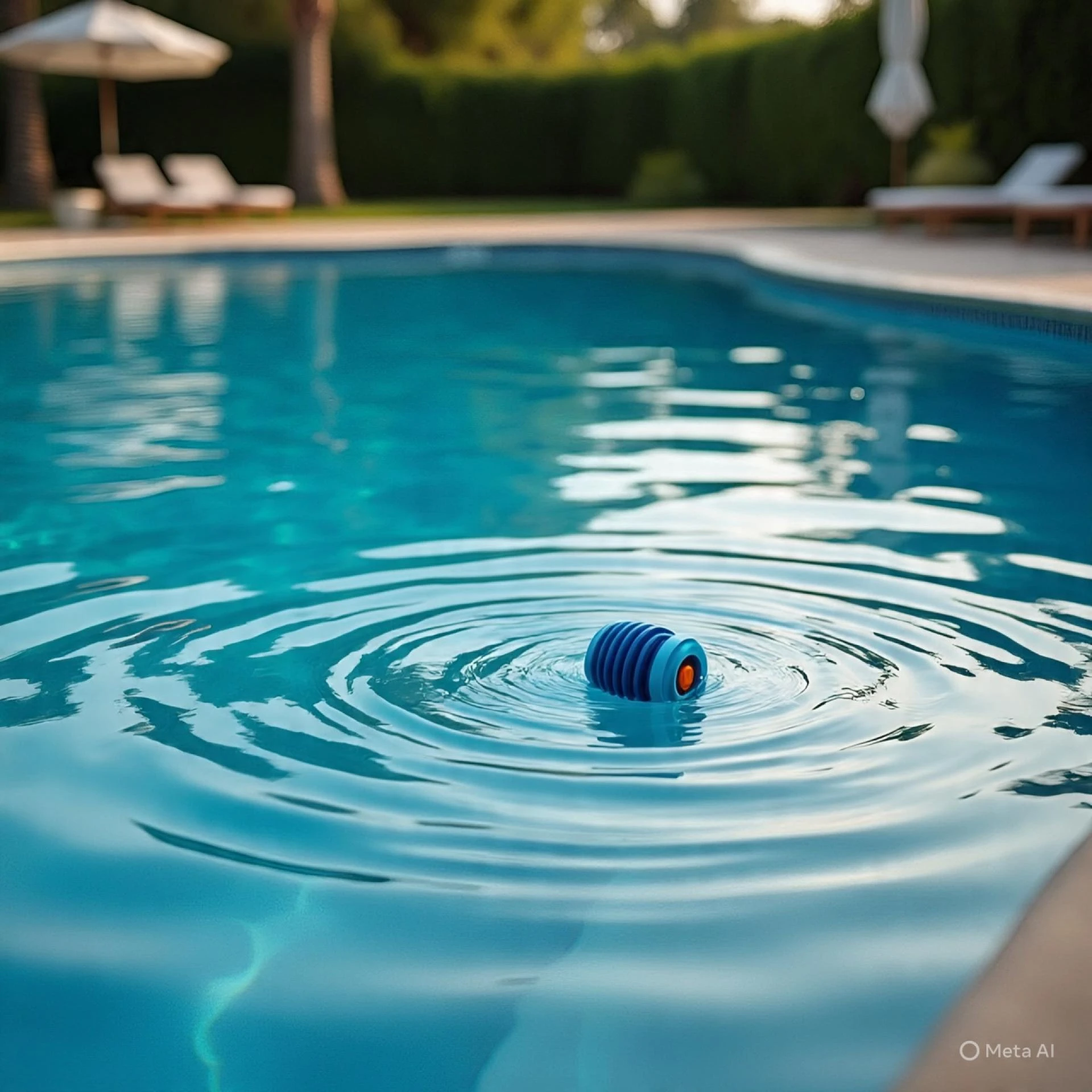
Swimming is one of the best exercises for the entire body. It builds strength, boosts stamina, and improves cardiovascular health. But even though it’s low-impact, swimming can still leave muscles tired and sore. That’s where the Post Swim Vibration Roller comes in. It’s a simple yet powerful recovery tool designed to help swimmers relax their muscles, recover faster, and feel better after a swim.
In this article, we’ll explore what a Post Swim Vibration Roller is, how it works, and why every swimmer—beginner or pro—should consider using one. We’ll go through six important points that explain the benefits, usage, and tips to get the most out of this tool. We’ll finish with a helpful conclusion and answers to common questions.
What Is a Vibration Roller?
A Post Swim Vibration Roller is a special type of foam roller that includes built-in vibration. Unlike regular foam rollers, this one vibrates while you roll it on your body. It helps relax sore muscles, improves blood flow, and speeds up recovery after a swim.
The roller is made from dense foam and contains a small motor inside. This motor makes the roller vibrate at different speed levels. When you roll it over your muscles, it sends gentle waves of vibration through your body. This not only feels relaxing but also helps break down knots and tight spots in your muscles.
Vibration rollers are used by athletes, fitness lovers, and now, more and more swimmers. They come in various shapes and sizes. Some are small and easy to carry. Others are bigger and made for full-body use. Most have adjustable speed settings so you can choose the level that feels best for you.
Using a vibration roller is very easy. After your swim, simply turn it on, place it under the sore part of your body, and gently roll back and forth. You only need to spend a few minutes on each muscle group to feel the benefits.
Why Swimmers Should Use This Tool
Swimming is a full-body workout. It uses muscles in your arms, legs, back, and core. After a hard swim, your body might feel tired, sore, or stiff. This is completely normal. But if you don’t take care of your muscles, it can lead to pain or injury. That’s why a Post Swim Vibration Roller is so useful.
This roller helps your muscles relax and recover faster. The vibration increases blood flow, which brings more oxygen and nutrients to your muscles. This helps them heal and recover more quickly. At the same time, the pressure from the roller helps loosen up tight muscles and remove lactic acid.
Another big reason swimmers should use a vibration roller is injury prevention. Over time, tight muscles can cause strains or pulls. But if you use the roller regularly, your muscles stay soft and flexible. This lowers your risk of getting hurt.
Also, regular recovery leads to better swimming performance. When your body feels good, you can move more freely in the water. Your strokes become smoother and stronger. That’s why many professional swimmers include vibration rollers in their recovery routines.
If you want to swim longer, faster, and with less pain, using a Post Swim Vibration Roller is a smart choice.
How to Use It After Swimming
Using the Post Swim Vibration Roller after a swim is simple. It’s best to use it right after your session, while your muscles are still warm. This is when it works most effectively.
First, find a comfortable place to sit or lie down. A soft mat or carpeted floor works well. Turn on the roller and choose a vibration setting that feels good. If you’re using it for the first time, start with the lowest speed.
Now, place the roller under the muscle group you want to target. Slowly roll back and forth. Try not to rush—spend 30 seconds to a minute on each area. If you find a sore or tight spot, pause and let the vibration work deeper into the muscle. This helps loosen the tight area and improve circulation.
Make sure to breathe deeply and relax your body as you roll. This helps your muscles release tension more easily. Drink water afterward to help flush out waste from your muscles.
Aim to use the roller for about 10–15 minutes after each swim. Over time, this small habit can make a big difference in how your body feels.
Focus on These Muscle Areas
Swimming uses many muscles, but some areas work harder than others. To get the most benefit from your Post Swim Vibration Roller, focus on the following parts of your body:
- Shoulders: Almost every swim stroke uses your shoulder muscles. They can become tight and tired, especially after long sessions. Rolling this area can reduce soreness and prevent shoulder injuries.
- Upper and lower back: Your back keeps your body balanced and in the right position while swimming. Use the roller to ease back tension and improve posture.
- Legs and calves: Kicking works the muscles in your legs and calves. If these feel sore, a few minutes with the roller can make them feel lighter and more flexible.
- Hamstrings and thighs: These muscles help you glide and kick through the water. Rolling them improves recovery and flexibility.
- Glutes and hips: Important for body rotation and balance. Rolling here helps keep your movements smooth and powerful.
You don’t have to roll every muscle. Just focus on the areas that feel the most sore or tight. Regular attention to these muscles will help you recover faster and swim better.
Choosing the Right Roller Type
Not all vibration rollers are the same. To get the best results, you should choose a Post Swim Vibration Roller that fits your needs. Here are a few things to look for:
- Vibration settings: A good roller should offer multiple speeds. This lets you adjust the intensity based on how your muscles feel.
- Size and design: Small rollers are good for travel or targeting small muscles. Larger ones are better for full-body use. Pick one that suits your swim routine.
- Battery life: Look for a roller with a battery that lasts for at least a few hours. This ensures it won’t stop working in the middle of your session.
- Foam quality: The foam should be firm but comfortable. It should hold its shape over time without getting too soft or too hard.
- Noise level: Some rollers are very loud. If you plan to use it at home or in quiet places, pick a model that runs quietly.
- Reviews and ratings: Always check what other swimmers say. A roller with positive reviews is more likely to meet your expectations.
Choosing the right roller helps you stay consistent with your recovery routine. It makes the experience more enjoyable and effective.
Helpful Tips for Faster Recovery
To get the most out of your Post Swim Vibration Roller, follow these simple tips for better recovery:
- Stretch after swimming: A short stretch before using the roller helps your muscles stay flexible.
- Use it regularly: Make rolling a part of your post-swim routine. Consistent use gives better long-term results.
- Don’t rush the process: Take your time while using the roller. Slow movements give better results than fast rolling.
- Listen to your body: If an area feels too sore, don’t press too hard. Start gently and increase pressure slowly.
- Hydrate well: Drink plenty of water after swimming and rolling. It helps remove waste from your muscles.
- Rest when needed: If a muscle feels too painful, give it time to heal. The roller helps, but rest is still important.
Combining these tips with your vibration roller routine will keep your body fresh, strong, and ready for your next swim.
Conclusion
The Post Swim Vibration Roller is more than just a piece of fitness equipment. It’s a simple yet effective recovery tool that helps swimmers feel better, move better, and stay injury-free. Whether you swim for fun, fitness, or competition, taking care of your muscles should be a top priority.
Using this roller after your swim only takes a few minutes, but the benefits last much longer. It improves blood flow, reduces soreness, and helps your body heal. When your body recovers well, you swim better—and enjoy it more.
Frequently Asked Questions (FAQs)
Q1: Is it safe to use the Post Swim Vibration Roller every day?
Yes, it’s safe to use daily after swimming. Just use a gentle setting if your muscles are very sore.
Q2: How long should I use the roller?
Spend 10–15 minutes after swimming. Roll each muscle group for about 30 seconds to 1 minute.
Q3: Can beginners use it too?
Absolutely! Start with low vibrations and short sessions. Your body will adjust quickly.

























Sign in to leave a comment.