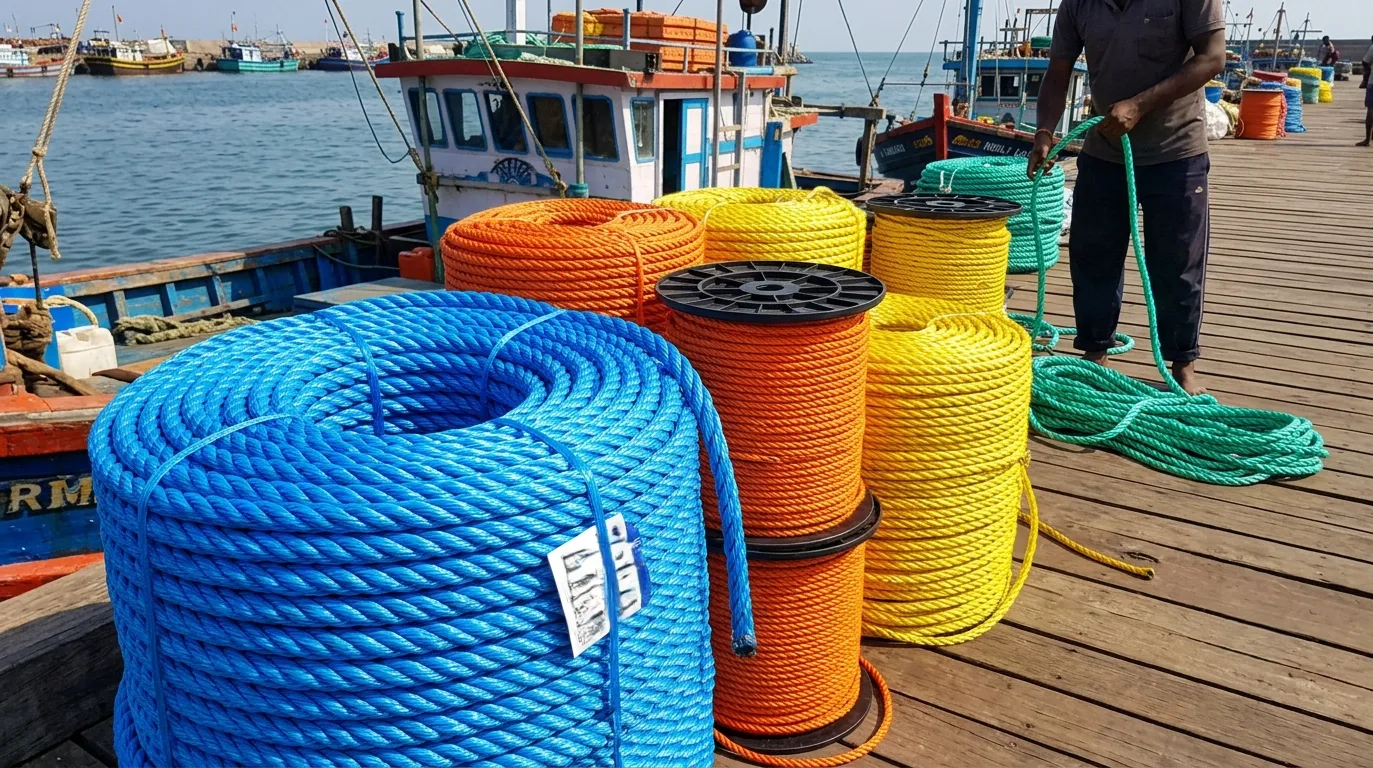

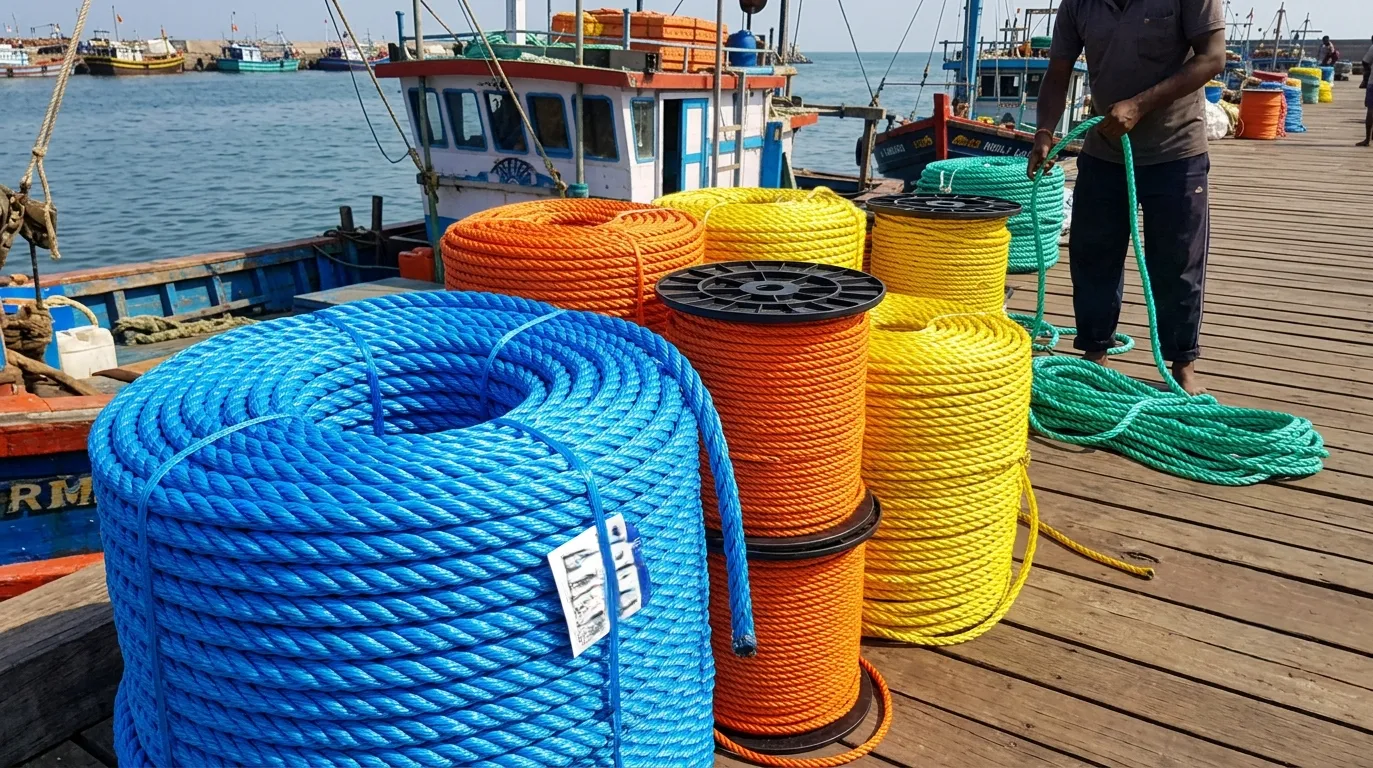
Polypropylene (PP) rope is used extensively in marine, industrial, construction, agriculture, cargo handling, and general-purpose applications. Its lightweight design, water resistance, flexibility, and affordability make it an ideal solution for a variety of demanding applications.
However, selecting the appropriate rope is critical since different applications demand varying levels of strength, diameter, construction, and durability.
Whether you're buying rope for marine operations or industrial handling, recognizing the important selection aspects can help you choose a dependable product. Working with a reputable PP rope supplier might also make it easy to choose the best rope for your unique needs.
What is PP Rope?
PP rope is comprised of polypropylene, a synthetic thermoplastic material that is lightweight and moisture resistant. Unlike other natural fiber ropes, polypropylene does not absorb water quickly, making it ideal for applications where the rope will come into regular contact with water.
PP rope is very lightweight, making it easier to handle than many other rope materials. This combination of practical performance and cost-effectiveness has made it useful in a variety of commercial and industrial settings.
Key Factors to Consider while Choosing PP Rope
Choosing the correct PP rope requires more than just selecting a diameter. A number of considerations should be examined before making a purchase.
1. Rope Strength
When selecting a rope, one of the most crucial factors to consider is its strength. The needed strength varies according to the intended application, projected load, and working conditions.
Always evaluate the rope's working load limit rather than just its breaking strength. A sufficient safety margin is required, especially when the rope is utilized in severe industrial or maritime applications.
A skilled PP rope supplier can assist you in determining the suitable rope specifications based on your intended purpose.
2. Rope Size and Diameter
PP rope comes in a variety of diameters to suit a wide range of applications. Smaller ropes may be appropriate for light handling, tying, or general-purpose jobs, whereas bigger diameters can provide more strength and handling capacity.
However, using the thickest rope available isn't always the best option. A rope that is excessively large may be more difficult to handle and less useful in certain applications.
When deciding on an acceptable diameter, keep the required load, equipment compatibility, handling requirements, and available attachment points in mind.
3. Rope construction
The structure of a rope influences its flexibility, handling, strength, and overall performance. PP ropes are typically available in twisted and braided designs.
Twisted PP rope is widely used for general-purpose applications and is quite simple to splice and handle. Its design also makes it suited for applications that require flexibility and ease of use.
Braided PP rope has a smoother structure and can give excellent flexibility and handling properties. It may be chosen for some marine, industrial, and utility applications.
The best construction relies on the individual needs of your organization.
Applications for PP Rope
The versatility of polypropylene makes PP rope helpful in a variety of sectors.
Marine applications
PP rope is widely utilized in marine areas because to its lightweight nature and resistance to water absorption. It is suitable for general marine handling, tying, fastening, and other water-related purposes.
Construction and Industrial Use
PP rope is used in construction and industry for securing, bundling, handling, and a variety of other purposes. Its lightweight design makes it useful when workers need to carry and position rope regularly.
Cargo Handling
PP rope can also be used to secure and transport loads in appropriate applications. When using a rope around cargo, it is very crucial to choose the appropriate diameter and strength.
Agriculture and General Purpose Applications
From agricultural operations to regular business chores, PP rope can be used for tying, fastening, bundling, and other purposes.
Why Does Quality Matter When Purchasing PP Rope?
The quality of the rope has a direct impact on its performance and service life. When selecting rope for professional applications, it is critical to consider consistent structure, acceptable material quality, and manufacturing standards.
It is also critical to buy from a source who can provide precise product specs and assist you determine whether a particular rope is appropriate for your intended usage.
A good PP rope supplier should be able to provide a variety of sizes and constructions while assisting customers in selecting items based on their operational needs.
Tips to Get the Most Out of Your PP Rope
Proper handling and storage can help to preserve rope performance over time. Regularly inspect the rope for visible damage, excessive wear, cuts, deformation, and other indicators of degradation.
Keep the rope clean and store it in a safe location away from any potentially damaging situations. Avoid exceeding a rope's recommended operating capacity, and always follow the required safety precautions for the application.
Conclusion
When choosing the correct PP rope, you must examine its strength, diameter, construction, application, and working conditions. Whether you need rope for nautical work, construction, cargo handling, or general industrial applications, selecting the right specs can increase dependability and usability.
Working with an experienced PP rope supplier can assist businesses in finding appropriate items while ensuring that the rope meets their specific needs. With the appropriate choice, polypropylene rope may be a useful, versatile, and dependable option for a wide range of everyday and professional applications.
















Sign in to leave a comment.