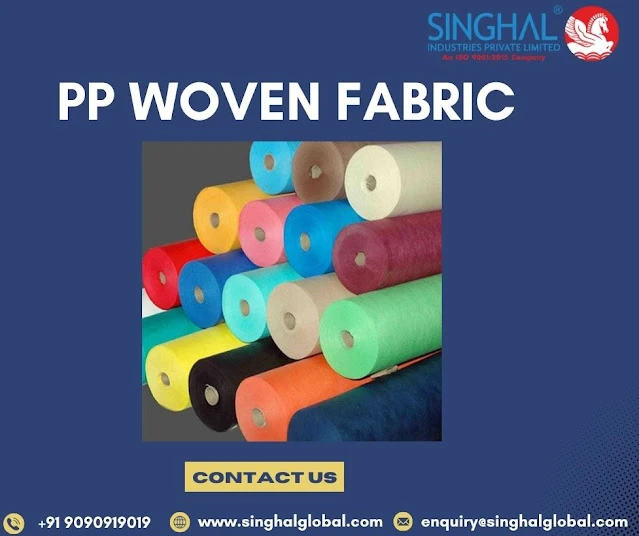

WPackaging is an essential aspect of any product's journey from manufacturing to consumption. It not only ensures the safety and integrity of the items but also plays a significant role in branding and consumer appeal. In recent years, PP woven fabric has emerged as a go-to choice for packaging needs across various industries due to its remarkable strength, versatility, and cost-effectiveness.
Understanding PP Woven Fabric
PP (Polypropylene) woven fabric is a type of material made from polypropylene resin granules. It is produced through a process that involves extrusion, weaving, and coating. The result is a sturdy and durable fabric that can withstand considerable weight and stress.
The Manufacturing Process
Raw Material Sourcing
The quality of PP woven fabric starts with sourcing high-grade polypropylene resin. Manufacturers meticulously select raw materials to ensure optimal strength and performance in the final product.
Extrusion
Once the raw materials are acquired, they undergo a process called extrusion. This involves melting the polypropylene resin and extruding it through a die to form long strands. These strands are then wound onto rolls to create the base material for weaving.
Weaving
The extruded polypropylene strands are woven together using specialized looms. There are two main types of looms used in PP woven fabric manufacturing: shuttle looms and circular looms. Shuttle looms are suitable for smaller-scale production, while circular looms are preferred for larger volumes due to their higher efficiency.
Coating and Printing
After weaving, the PP woven fabric may undergo additional treatments such as coating or printing. Coating provides extra protection against moisture, UV rays, and other environmental factors, enhancing the fabric's durability and lifespan. Printing allows for customization options, including branding, logos, and product information.
Applications of PP Woven Fabric
Packaging Industry
PP woven fabric is widely used in the packaging industry for various applications. It is commonly used to make flexible intermediate bulk containers (FIBCs), also known as bulk bags or big bags, which are used for transporting and storing bulk materials such as grains, chemicals, and construction materials.
Agriculture
In agriculture, PP woven fabric finds numerous applications, including crop protection, soil stabilization, and erosion control. It is used to make agricultural sacks, ground covers, shade nets, and geotextiles, providing farmers with cost-effective solutions for crop management and land conservation.
Construction
PP woven fabric is also utilized in the construction industry for scaffolding nets, debris containment, and temporary fencing. Its high tensile strength and tear resistance make it ideal for outdoor construction sites where durability and weather resistance are essential.
Geotextiles
In civil engineering and environmental applications, PP woven fabric is used as geotextiles for reinforcing soil structures, preventing soil erosion, and promoting vegetation growth. It acts as a barrier against soil erosion while allowing water and nutrients to penetrate the soil, creating a stable and sustainable environment.
Benefits of PP Woven Fabric
Strength and Durability
One of the key advantages of PP Woven Fabric Roll is its exceptional strength and durability. It can withstand heavy loads and rough handling, making it ideal for packaging materials that require reliable protection during transportation and storage.
Cost-Effectiveness
PP woven fabric offers cost-effective packaging solutions compared to traditional materials such as paper or plastic. Its durability and reusability reduce the need for frequent replacements, saving businesses money in the long run.
Customization
PP woven fabric can be customized to meet specific packaging requirements. Manufacturers offer a range of options for size, shape, color, and printing, allowing businesses to tailor their packaging to reflect their brand identity and product information.
Environmental Friendliness
Despite its robust nature, PP woven fabric is recyclable and environmentally friendly. It can be easily repurposed or recycled into new products, reducing waste and minimizing the environmental impact of packaging materials.
PP Woven Fabric Manufacturers in India
In India, one of the leading PP Woven Fabric Manufacturers is Singhal Industries. With years of experience and expertise in the field, Singhal Industries has established itself as a trusted provider of high-quality packaging solutions. The company is known for its commitment to excellence, innovative manufacturing processes, and customer-centric approach.
Conclusion
PP woven fabric stands out as a strong foundation for various packaging needs, offering unmatched strength, durability, and versatility. PP Woven Fabric Manufacturers in India Whether in the packaging, agriculture, construction, or environmental sectors, PP woven fabric continues to prove its value as a reliable and cost-effective solution.
FAQs
1. How is PP woven fabric different from traditional packaging materials?
PP woven fabric offers superior strength and durability compared to materials like paper or non-woven fabrics.
2. Can PP woven fabric be recycled?
Yes, PP woven fabric is recyclable, contributing to sustainability efforts in packaging.
3. What are the primary factors to consider when choosing a PP woven fabric manufacturer?
Quality standards, customization options, and reliability in delivery timelines are crucial considerations.
4. How does PP woven fabric contribute to environmental sustainability?
Its recyclability and reduced carbon footprint make PP woven fabric a more eco-friendly choice compared to some other packaging materials.
5. What sets Singhal Industries apart from other PP woven fabric manufacturers?
Singhal Industries is known for its commitment to quality, innovative manufacturing processes, and customer-centric approach, making it a trusted partner for packaging solutions.










Sign in to leave a comment.