
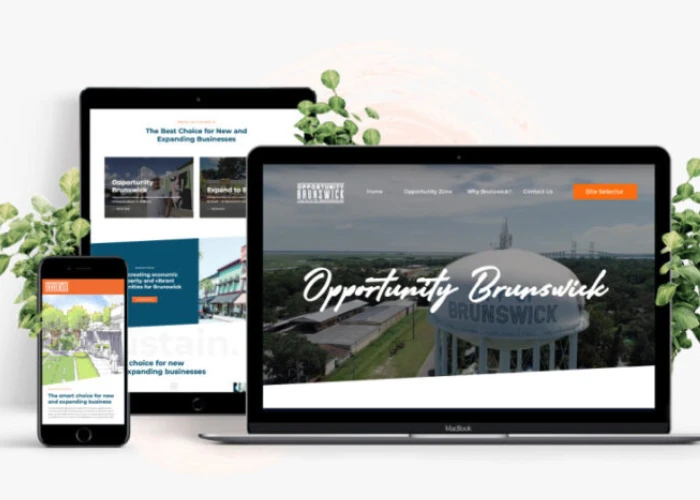
Practical Guide to Mobile App Development
In today’s digital world, having a solid mobile presence isn’t optional. Whether you’re a small business or an entrepreneur, mobile app development can help you connect with users in a more personal, direct way. It’s not just about launching an app—it’s about building something useful, easy to use, and tailored to your audience.
Mobile apps aren’t developed in isolation. They often tie closely to your website development efforts, and the design choices you make online can influence your app’s interface. Starting with clear goals and a simple plan can save a ton of headaches down the road.
Why Mobile App Development Matters
Users are on their phones more than ever. From shopping to social media to banking, mobile apps have become central to daily life. Good mobile app development ensures your brand is part of that experience, instead of being lost in a web browser.
It’s not just about convenience. Apps can improve engagement, make services more intuitive, and even boost sales. But the key is doing it right. An app that’s slow, buggy, or confusing can drive users away faster than a clunky website.
Choosing the Right Platform
One of the first steps in app development is deciding between iOS and Android—or both.
- iOS app development tends to be more streamlined because Apple controls the hardware and software ecosystem.
- Android app development is versatile and reaches a wider audience, but it can be trickier because of the variety of devices.
Many companies choose to develop cross-platform apps, which can save time but might compromise some features. Your choice will depend on your goals, budget, and target audience.
Design Matters More Than You Think
A lot of people overlook the importance of web design and user interface choices. Whether your app is native or hybrid, a clear, simple design makes all the difference. Users expect intuitive navigation, readable text, and responsive layouts that adjust smoothly across devices.
Some companies pair custom website design with their apps for consistency. This helps create a unified experience, so a customer can switch between your app and website without confusion.
Development Approaches
Mobile apps can be developed in a few ways:
- Native development: Coding specifically for iOS or Android. Best for performance but can be costlier.
- Cross-platform frameworks: Tools like Flutter or React Native let you build one app for multiple platforms. It’s faster but might not match native performance.
- Progressive Web Apps (PWAs): Web-based apps that work like native apps on mobile browsers. Great for responsive website development but limited in features.
Working with an experienced app development company or software development company can help navigate these options without getting overwhelmed.
Integrating Software and Services
Apps rarely exist alone. Often, they need backend systems for user accounts, payments, analytics, or content management. Custom software solutions can be designed to fit the exact needs of your app and your business.
SEO also matters here. While apps don’t rank in Google the same way websites do, pairing your app with strong SEO services and local SEO Houston strategies can help attract more users to your brand overall.
Testing and Iteration
A common mistake is rushing an app to market. Testing on multiple devices, collecting user feedback, and iterating based on that feedback is essential. Performance, usability, and bug fixes should take priority over flashy features.
Even after launch, updates are a normal part of mobile app life. Apps evolve just like websites do, and listening to users is the best way to keep them happy.
Final Thoughts
Mobile apps are powerful tools, but they’re not magic. Success comes from planning, careful mobile app development, and integrating your app with your website, design, and backend systems.
By keeping things practical and user-focused, your app can become a true asset—helping your business grow, engage users, and stay relevant in a mobile-first world. Remember, it’s not about building the fanciest app—it’s about building the right one for your audience.























Sign in to leave a comment.