

The construction industry is continuously adopting innovative methods to improve project quality, reduce timelines, and optimize costs. Among these advancements, Precast Buildings have become a preferred choice for developers, industries, and infrastructure projects. By manufacturing structural components in a controlled environment before transporting them to the construction site, this approach ensures consistency, efficiency, and superior quality.
Today, precast technology is widely used in residential, commercial, industrial, and public infrastructure projects because it offers dependable performance while minimizing on-site challenges. As the demand for faster and more sustainable construction continues to grow, precast solutions are becoming an essential part of modern building practices.
What Are Precast Buildings?
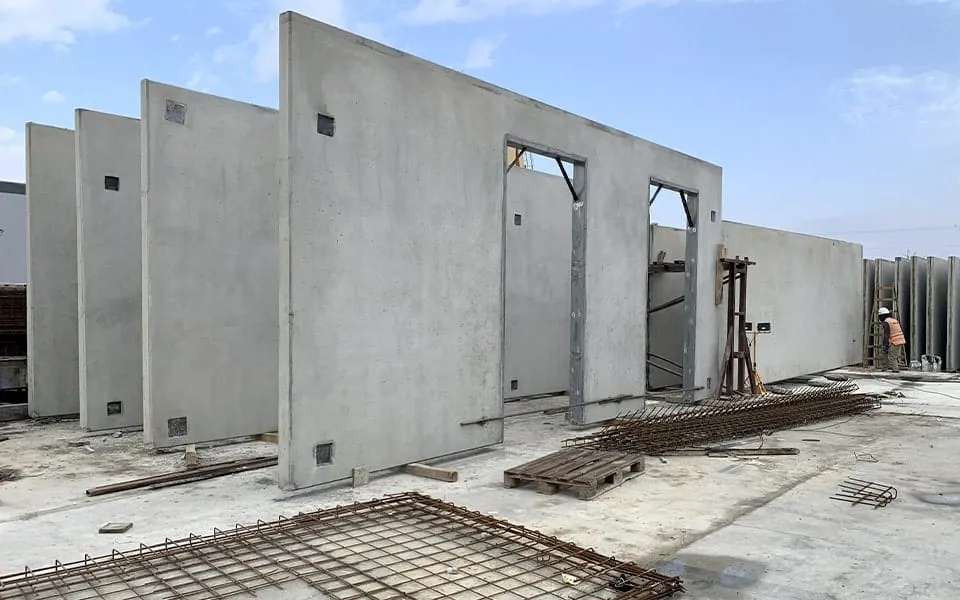
Precast buildings are structures built using concrete components that are manufactured in a dedicated production facility and later assembled at the project location. Instead of casting concrete entirely on-site, elements such as walls, beams, columns, slabs, staircases, and other structural members are produced under controlled conditions.
This manufacturing process allows every component to meet strict quality standards before it reaches the construction site, resulting in improved precision and durability.
Key Benefits of Precast Buildings
Faster Project Completion
One of the biggest advantages of this construction method is speed. Since structural components are produced while site preparation is taking place, multiple activities can progress simultaneously. Once the foundation is ready, the prefabricated elements are installed quickly, significantly reducing the overall project duration.
Superior Quality Control
Factory production enables better monitoring of materials, curing conditions, and manufacturing processes. This leads to consistent quality and minimizes common issues that may occur during conventional on-site construction.
Enhanced Durability
Concrete components manufactured under controlled conditions are designed to withstand heavy loads, varying weather conditions, and long-term usage. This makes them suitable for projects requiring high structural reliability.
Cost Efficiency
Although the initial planning process may require detailed engineering, the overall project often becomes more economical due to reduced labor requirements, shorter construction schedules, and minimal material wastage.
Improved Site Safety
With fewer on-site construction activities, there is less congestion and fewer risks associated with traditional construction methods. Controlled installation processes contribute to a safer working environment.
Sustainable Construction
Efficient material usage, reduced waste generation, and lower on-site pollution make precast construction an environmentally responsible choice. Many projects also benefit from reduced energy consumption during construction.
Common Applications
Precast construction has become popular across multiple sectors because of its versatility and adaptability.
Residential Projects
Apartment complexes, villas, and affordable housing developments can benefit from faster completion while maintaining consistent construction quality.
Commercial Buildings
Office buildings, shopping complexes, business parks, and mixed-use developments often use precast systems to reduce construction timelines and ensure structural efficiency.
Industrial Facilities
Factories, manufacturing plants, warehouses, logistics centers, and storage facilities require strong structural systems that can be completed within tight project schedules.
Institutional Buildings
Educational institutions, hospitals, government buildings, and administrative offices often choose precast solutions due to their durability and long service life.
Infrastructure Projects
Bridges, metro stations, retaining walls, flyovers, drainage systems, and utility structures are commonly constructed using precast components because of their strength and faster installation.
Understanding the Construction Process
A successful project depends on careful planning and precise execution. The construction process generally includes the following stages.
Planning and Design
Every project begins with structural planning, architectural design, engineering analysis, and production drawings. Proper coordination during this stage ensures smooth manufacturing and installation.
Manufacturing
Concrete is poured into specially designed molds within a controlled production facility. Reinforcement is placed according to engineering specifications, and the elements undergo proper curing to achieve the required strength.
Quality Inspection
Each component is thoroughly inspected for dimensional accuracy, strength, surface finish, and compliance with project requirements before leaving the production facility.
Transportation
Finished components are carefully transported to the project location using appropriate handling equipment to prevent damage during transit.
Installation
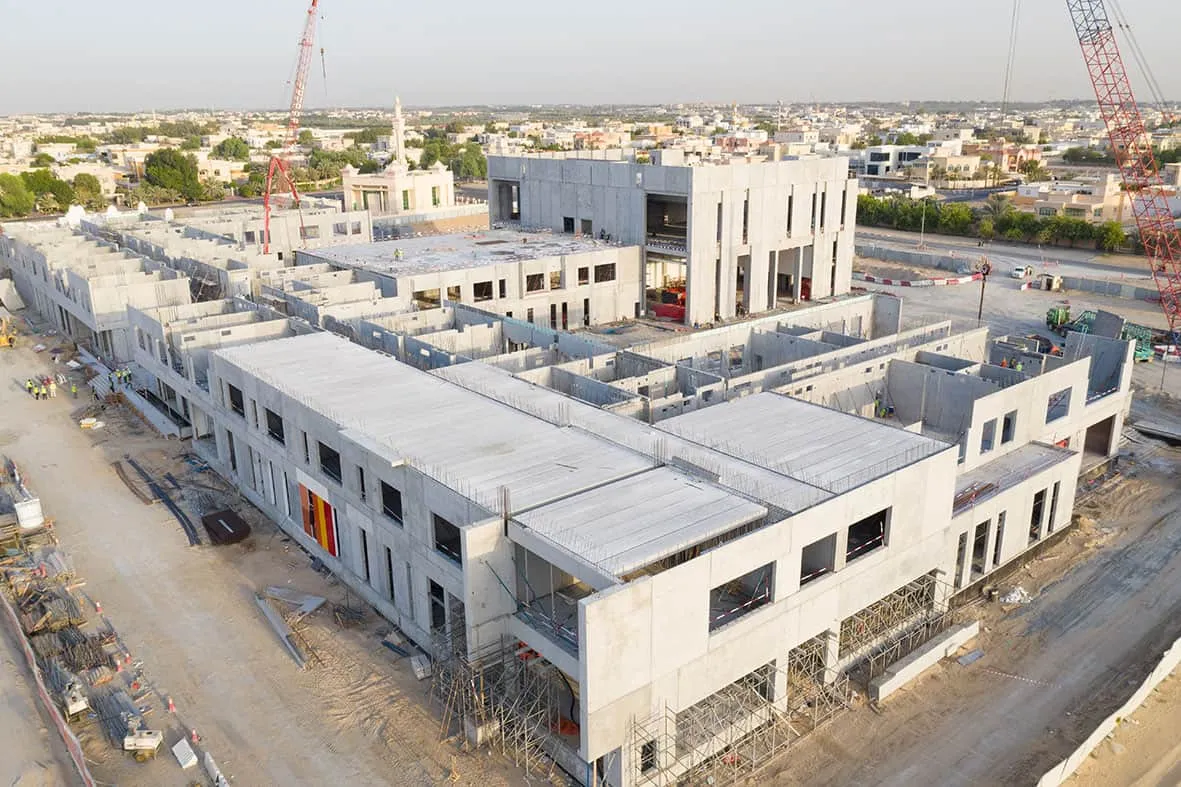
Heavy lifting equipment such as cranes positions each structural element according to the approved design. The components are securely connected to create a stable and durable building structure.
Final Finishing
After assembly, joint sealing, finishing work, mechanical installations, electrical systems, plumbing, and architectural details are completed before project handover.
Why More Developers Are Choosing Precast Solutions
Construction projects today face increasing pressure to meet strict deadlines while maintaining high standards of quality and safety. Precast technology helps address these challenges by reducing dependence on weather conditions, minimizing construction delays, and improving project efficiency.
It also supports better project planning, predictable timelines, and consistent performance, making it a practical choice for developers looking to maximize long-term value.
Choosing the Right Construction Partner
The success of any precast project depends not only on quality materials but also on the experience and technical expertise of the construction company. A reliable partner can manage everything from design coordination and manufacturing to transportation and installation, ensuring every stage is completed with precision.
Janaadhar Instabuild delivers professionally engineered precast construction solutions with a strong focus on quality, timely execution, and dependable project delivery. By combining advanced manufacturing practices with experienced project management, the company supports construction projects across a wide range of sectors.
Conclusion
Modern construction demands speed, efficiency, durability, and sustainability. Precast construction successfully brings all these advantages together by offering reliable structural performance while reducing construction time and improving overall project quality. Whether for residential developments, industrial facilities, commercial spaces, or infrastructure projects, this approach continues to shape the future of the construction industry.
Careful planning, quality manufacturing, and professional installation ensure long-lasting structures that meet today's construction standards while preparing for tomorrow's infrastructure needs.
Frequently Asked Questions (FAQs)
1. What are Precast Buildings?
Precast Buildings are structures built using concrete components manufactured in a controlled facility and assembled at the construction site.
2. What are the main benefits of precast construction?
The major benefits include faster construction, better quality control, improved durability, reduced labor requirements, enhanced safety, and lower material wastage.
3. Where are precast structures commonly used?
They are widely used in residential housing, commercial buildings, industrial facilities, educational institutions, hospitals, bridges, warehouses, and infrastructure projects.
4. Are precast buildings durable?
Yes. Properly manufactured precast components provide excellent strength, durability, and resistance to harsh environmental conditions.
5. Is precast construction environmentally friendly?
Yes. Controlled manufacturing reduces waste, improves material efficiency, and minimizes on-site environmental impact, making it a more sustainable construction method.


















Sign in to leave a comment.