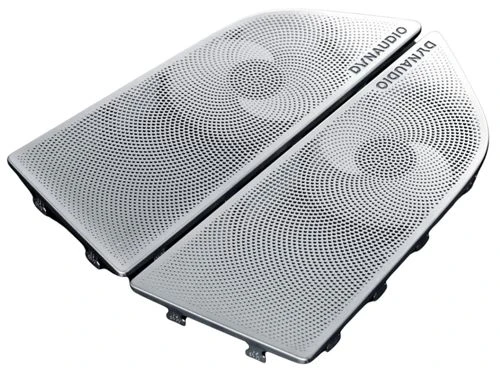

Electroforming and chemical etching are both precision manufacturing processes, but they differ fundamentally in their principles, applications, and outcomes. Here’s an analysis comparing Veco precision Advanced Electroforming process with chemical etching:
View or download our Photochemical Metal Etching White Paper How-to Guide
Photo Chemical Metal Etching White Paper Operating GuideDownload
1. Principle
- Electroforming: Electroforming is an additive process where metal is deposited onto a mandrel (substrate) using an electrolytic bath. Metal builds up on the patterned areas of the mandrel, creating a new metal structure that can later be separated.
- Chemical Etching: Chemical etching is a subtractive process that removes material from a metal surface through the application of acids or alkaline etchants. A photoresist protects the areas not to be etched, leaving precise shapes and patterns by selectively dissolving exposed areas.
2. Material Application
- Electroforming: Often used for applications requiring high precision and complex geometries, such as high-quality filters, meshes, optical components, microelectronic parts, and microfluidic devices. Electroforming can produce very thin or very thick metal layers, making it versatile for both fine and large-scale parts.
- Chemical Etching: While chemical etching is commonly associated with simpler, flat parts like signs, labels, and nameplates, it can also be used to produce filters, meshes, and microelectronic components with very high precision. Just like electroforming, chemical etching can create fine holes and complex patterns for applications such as fuel cell plates, RF shielding, and MEMS components (Micro-Electro-Mechanical Systems). The advantage of chemical etching here is that it doesn’t introduce any thermal or mechanical stress into the material, preserving the integrity of the components.
- Conclusion: Both electroforming and chemical etching can produce filters, meshes, and microelectronic components, but electroforming excels in cases where the structural strength and thickness are critical, while chemical etching is faster and less costly for large-scale production of thinner components.
3. Precision and Detail
- Electroforming: Electroforming allows for the creation of intricate 3D structures and high aspect ratios with extremely fine details. Due to the layer-by-layer deposition of metal, the process can achieve features down to microns in size, making it ideal for highly detailed parts.
- Chemical Etching: While chemical etching can produce highly detailed 2D shapes with sharp edges and fine resolution, it is primarily limited to flat or slightly contoured surfaces. Chemical etching achieves fine detail through the control of etchant exposure, allowing for etched holes as small as a few microns.
4. Thickness Control
- Electroforming: Thickness control in electroforming is excellent, as the thickness of the electroformed part is directly related to the duration of metal deposition in the electrolytic bath. Electroforming can create very thin layers (in the micron range) or thicker parts depending on the requirements. It is particularly useful when consistent wall thickness across a complex 3D shape is essential.
- Chemical Etching: Thickness control is more limited, as the process depends on how deep the etchant penetrates the exposed areas. While it is effective for thin sheet materials, achieving thicker components is difficult because the process is designed for removal rather than build-up.
5. Dimensional Tolerances (Expanded)
- Electroforming: Due to the precise control over the deposition process, electroforming can achieve extremely tight dimensional tolerances, typically within ±1 to 3 microns. This makes it ideal for applications where exact dimensions are critical, such as in precision optical components, microfilters, and microelectronic parts. The electrolytic deposition process is uniform, ensuring that the final product meets strict geometric and tolerance requirements.
- Chemical Etching: While chemical etching can also achieve fine tolerances for thin materials, the dimensional tolerance is generally less precise compared to electroforming. Typical tolerances for chemical etching range from ±10 microns to ±50 microns, depending on the material thickness and the complexity of the design. However, this is often sufficient for parts like precision shims, stencils, and electronic components. It can also achieve tight tolerances across large production runs.
6. Mechanical Properties
- Electroforming: Since electroforming builds the part through metal deposition, the final structure has mechanical properties close to bulk material. Electroformed parts exhibit high strength, durability, and excellent surface smoothness. The deposition process produces dense and void-free metal layers, making it suitable for parts that need to withstand mechanical stress or harsh environments.
- Chemical Etching: The mechanical properties of the part depend entirely on the original material used, as chemical etching simply removes material from the surface. It’s generally used for thinner components and might weaken structural integrity if very fine features are etched away. However, this process is gentle and does not introduce any heat or stress, which is beneficial for maintaining the material’s original properties.
7. Cost and Scalability
- Electroforming: The process is typically more expensive and time-consuming than chemical etching due to the complexity of electroplating and the need for precise controls. Electroforming is often reserved for high-precision, low-volume production, where the unique benefits of the process justify the higher cost. It’s commonly used in aerospace, optics, micro-electronics, and medical applications.
- Chemical Etching: Chemical etching is generally more cost-effective for producing high volumes of parts, especially in industries like automotive, electronics, and signage. The relatively simple setup and faster cycle times make it ideal for mass production, especially when working with thin metal sheets.
8. Surface Finish
- Electroforming: Parts produced through electroforming typically have smooth, high-quality surface finishes, often requiring little to no post-processing. The deposition process ensures a uniform surface, which is particularly beneficial for parts with optical properties or aesthetic requirements.
- Chemical Etching: Surface finishes from chemical etching are generally good but may require additional post-processing to achieve a polished appearance. The chemical reaction can leave a slightly rough surface depending on the material and the type of etchant used, though additional steps like polishing or passivation can improve this.









Sign in to leave a comment.