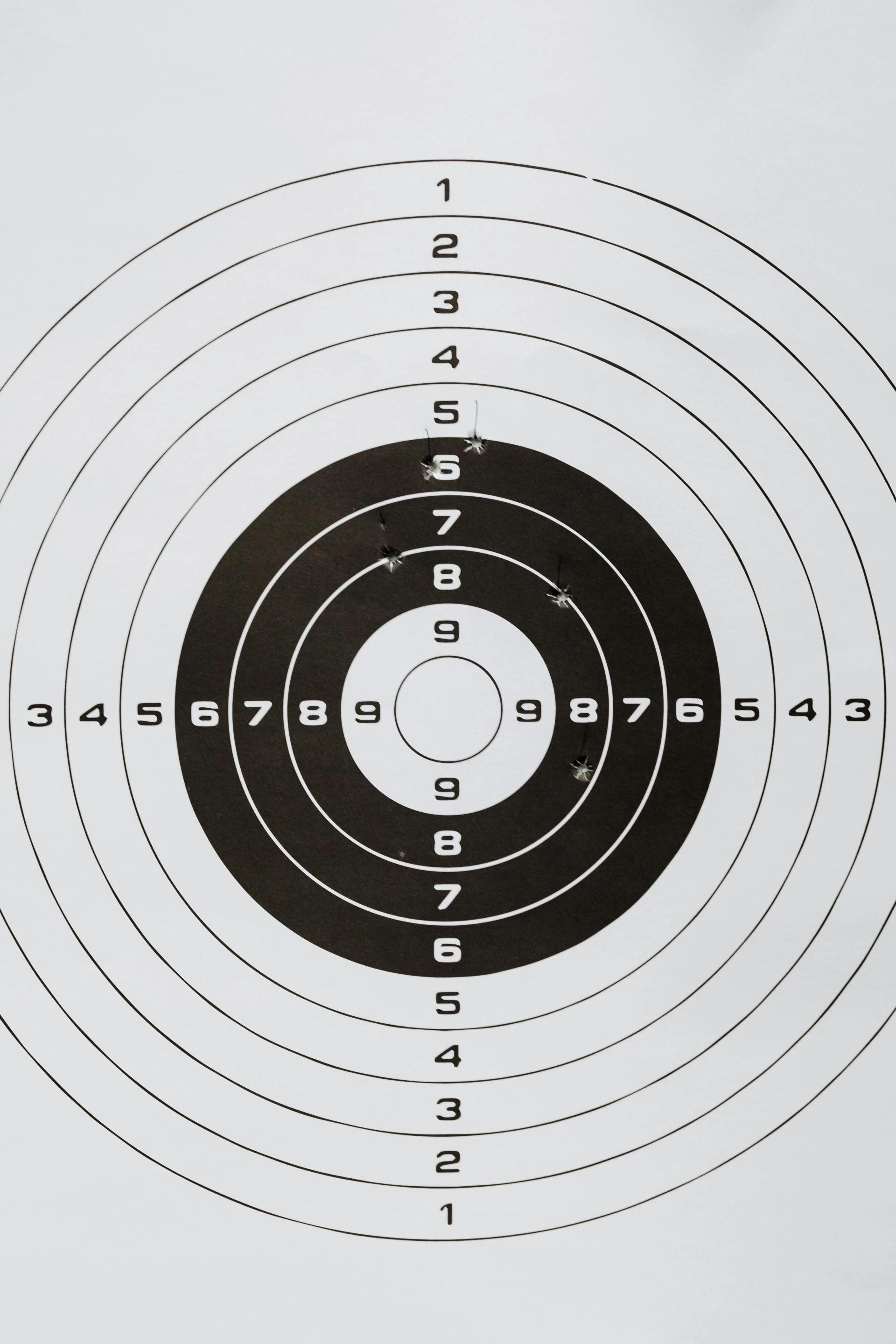

Precision sports represent a fascinating breed of athletic competition where brute strength and blazing speed take a back seat to exacting control, laser focus, and an almost obsessive attention to the tiniest details. Think competitive shooting, archery, golf, or billiards, disciplines where athletes must master both their equipment and their mental game to achieve the kind of consistent, repeatable performance that separates champions from also-rans. What makes these sports particularly challenging is that there's nowhere to hide. Physical dominance can't bail you out when technique falters, which means participants need to develop an intimate understanding of every single variable influencing their performance. The margin between standing on the podium and watching from the sidelines often comes down to millimeters or split seconds, making precision sports some of the most demanding, and ultimately rewarding, athletic pursuits you'll find anywhere.
The Mental Discipline Behind Precision Performance
The psychological demands of precision sports set them in a category all their own. Athletes need extraordinary mental discipline to maintain focus during those grueling stretches of intense concentration, often with the weight of high-stakes competition bearing on them. Visualization becomes more than just a helpful technique, it's essential, with competitors mentally walking through each movement hundreds of times before their body ever gets involved. Breathing control plays a surprisingly critical role, helping stabilize the body and quiet the mind, and many elite athletes spend years perfecting respiratory patterns that minimize any physical movement during those make-or-break moments.
Equipment Specifications and Their Impact on Results
Precision sports, equipment quality and proper setup aren't just nice-to-have; they directly influence competitive outcomes in ways that might surprise casual fans. Every single component of an athlete's gear needs to be selected, adjusted, and maintained with extraordinary care to deliver consistent performance regardless of conditions. The relationship between athletes and equipment becomes so finely tuned that even microscopic variations in weight distribution, balance points, or surface textures can produce noticeable changes in results. Professional competitors don't just buy gear off the shelf, they invest substantial time and resources customizing everything to match their individual biomechanics, personal preferences, and competitive strategies.
Training Methodologies for Consistency and Accuracy
Developing world-class precision requires training approaches that look nothing like what you'd see in traditional power or endurance sports. Repetition forms the bedrock of precision training, with athletes performing identical movements thousands upon thousands of times to build neural pathways that enable automatic, unconscious execution. But here's the thing, mindless repetition without purpose actually proves counterproductive, which is why deliberate practice emphasizing quality over quantity remains essential. Video analysis has become absolutely indispensable, allowing athletes and coaches to spot subtle flaws that the human eye simply can't catch in real-time while tracking improvements over extended periods.
Environmental Variables and Adaptation Strategies
Environmental conditions can make or break performance in precision sports, which is why athletes develop sophisticated strategies to adapt on the fly. Wind speed and direction represent the most obvious challenges, with competitors learning to read subtle indicators and make complex calculations to compensate for air movement that might throw off their shot. Temperature fluctuations affect both equipment performance and human physiology in meaningful ways, altering material properties while influencing muscle function, nerve conduction, and cardiovascular responses. Lighting conditions dramatically impact visual acuity and depth perception, with athletes developing strong preferences for specific light angles, intensities, and color temperatures that optimize their ability to perceive targets with crystal clarity. Atmospheric pressure and humidity levels, though less immediately obvious to spectators, also influence trajectories and outcomes in ways that experienced athletes learn to recognize and adjust for almost instinctively. When competing in precision shooting disciplines, professionals who need to test equipment under varying conditions often rely on a cz plate to ensure consistent mounting and optimal performance across different environmental scenarios. Successful precision athletes build extensive experience competing under wildly diverse conditions, creating a mental database of adjustments that becomes second nature through repetition and careful observation. The ability to maintain consistent performance despite Mother Nature's curveballs often distinguishes champions from competitors who only shine when everything's perfect.
The Role of Physical Conditioning in Precision Athletics
While precision sports definitely emphasize technical skill over raw athleticism, physical conditioning remains absolutely essential for sustained high-level performance. Core strength and stability provide the foundation for consistent body positioning and movement control, with specialized exercises targeting the specific muscle groups most relevant to each discipline. Cardiovascular fitness enables athletes to maintain concentration and fine motor control throughout marathon competition sessions without fatigue-induced deterioration in technique creeping in. Flexibility training ensures full range of motion while reducing injury risk, allowing optimal positioning for each shot, throw, or strike.
Conclusion
Precision sports represent the ultimate test of our ability to control both mind and body in pursuit of something approaching perfect execution. The intricate dance between mental discipline, equipment mastery, technical skill, environmental awareness, and physical conditioning creates a complexity that makes these sports look deceptively simple from the outside looking in. Athletes who commit themselves to precision disciplines develop patience, focus, and attention to detail that ripple out far beyond their competitive pursuits, fundamentally changing how they approach challenges in every corner of their lives. As technology marches forward, providing increasingly sophisticated training tools and equipment options, the fundamental principles underlying precision sports haven't budged an inch, success still belongs to those who embrace the details, commit to never, ending improvement, and maintain unwavering focus on excellence.

































Sign in to leave a comment.