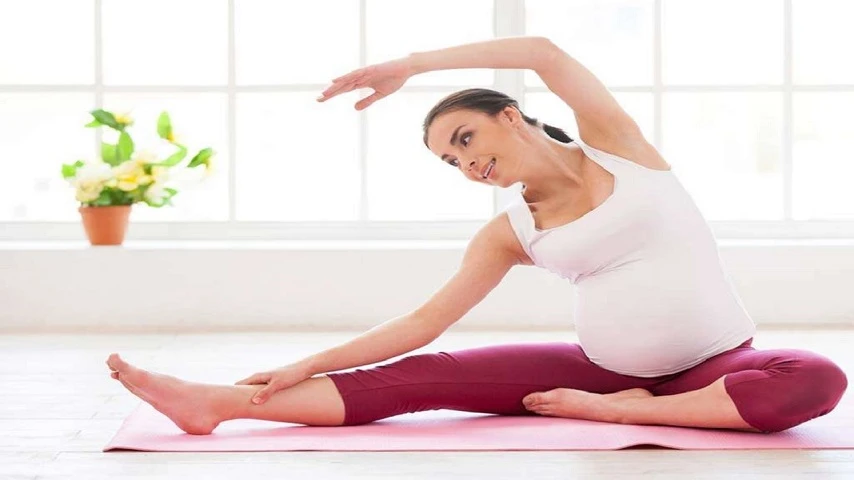
Prenatal yoga, a practice deeply rooted in ancient traditions, offers expectant mothers a pathway to connect with their bodies, their babies, and the timeless wisdom of birthing practices. Today, modern prenatal yoga classes draw inspiration from ancestral customs, blending them with contemporary knowledge to create a holistic experience. For yoga enthusiasts and professionals, undertaking a prenatal yoga teacher training course is an invaluable way to master these practices and bring their benefits to others.
Ancient Birth Practices: A Foundation for Prenatal Yoga
Cultural Wisdom in Birthing
In ancient cultures, birth was often regarded as a sacred event, deeply intertwined with rituals, movement, and community support. Traditional midwives would guide expectant mothers using techniques such as breathing exercises, chants, and specific postures to ease labour and promote relaxation.
- India: The birthplace of yoga, India, has long incorporated yoga-inspired breathing (pranayama) and gentle movements to prepare the body for childbirth.
- Africa: Women in African tribes performed rhythmic dances to strengthen their pelvic muscles and build stamina for labour.
- Indigenous Cultures: Many indigenous communities practiced squatting during childbirth, a natural posture that aligns with certain yoga asanas like Malasana (Garland Pose).
These practices formed the groundwork for what we now recognize as prenatal yoga, emphasizing physical, mental, and emotional well-being during pregnancy.
The Role of Prenatal Yoga in Modern Pregnancy
Prenatal yoga adapts ancient wisdom into a structured form suitable for modern mothers. It focuses on:
1. Physical Benefits
Prenatal yoga strengthens muscles, improves flexibility, and prepares the body for childbirth. Specific poses help alleviate common pregnancy discomforts such as back pain, swollen ankles, and fatigue.
- Warrior Pose (Virabhadrasana): Enhances endurance and balance.
- Cat-Cow Pose (Marjaryasana-Bitilasana): Relieves lower back pain.
- Child’s Pose (Balasana): Provides relaxation and stretches the spine.
2. Emotional Connection
Pregnancy can bring emotional ups and downs. Prenatal yoga offers tools like mindfulness and meditation to help mothers-to-be manage anxiety and connect deeply with their unborn babies.
3. Breathing Techniques
Controlled breathing techniques (pranayama) form a cornerstone of prenatal yoga. They enhance oxygen supply to the baby and prepare the mother for calm, focused breathing during labour.
Prenatal Yoga Teacher Training Course: A Gateway to Mastery
For yoga instructors and enthusiasts, a prenatal yoga teacher training course is a transformative step towards understanding this unique discipline. Here’s why enrolling in such a course is essential:
1. Specialised Knowledge of Pregnancy
Pregnancy involves complex physiological and emotional changes. A prenatal yoga teacher training course equips instructors with in-depth knowledge of the trimesters, including what poses are safe and beneficial at each stage.
- First Trimester: Focus on grounding poses and gentle stretches.
- Second Trimester: Emphasis on core strength and balance.
- Third Trimester: Relaxation and restorative poses dominate.
2. Understanding Contraindications
Not all yoga poses are suitable for pregnant women. A training course teaches how to modify or avoid certain poses that could strain the body or harm the baby.
3. Integration of Ancient and Modern Techniques
The course combines age-old practices like chanting and pranayama with modern anatomy and physiology, creating a holistic curriculum.
4. Building Empathy and Communication Skills
Expectant mothers often seek emotional support as much as physical guidance. A prenatal yoga teacher training course hones the skills needed to communicate compassionately and build trust.
Incorporating Ancient Practices into Prenatal Yoga
Sacred Rituals and Movements
Many prenatal yoga teacher training programs emphasize the integration of rituals inspired by ancient birth practices. For instance:
- Chanting and Mantras: These foster a calming atmosphere and promote positive energy.
- Meditative Walks: Drawn from indigenous practices, walking meditation connects mothers to nature and their own rhythm.
Labour-Preparation Techniques
Labour positions like squatting and supported lunges are modern adaptations of traditional practices. These align with yoga postures that create space in the pelvis and strengthen key muscles.
Mind-Body Connection
Guiding expectant mothers to tune into their bodies is a key goal of prenatal yoga. Visualisation techniques and affirmations, rooted in ancient practices, are often included in training courses to foster this connection.
Why Choose a Prenatal Yoga Teacher Training Course
If you’re passionate about empowering mothers-to-be, enrolling in a prenatal yoga teacher training course is your next step. Here’s what to look for in a course:
1. Accreditation: Ensure the program is certified by a recognized yoga organization.
2. Experienced Trainers: Learn from instructors with extensive knowledge of pregnancy and yoga.
3. Comprehensive Curriculum: The best courses cover anatomy, ancient practices, breathing techniques, and emotional well-being.
4. Practical Experience: Opt for programs that offer hands-on teaching opportunities.
Conclusion
Prenatal yoga, inspired by ancient birth practices, offers profound benefits to both mothers and babies. For yoga instructors, a prenatal yoga teacher training course is a rewarding way to deepen their knowledge, expand their career, and make a meaningful impact on the lives of expectant mothers.
By bridging the gap between ancestral wisdom and modern science, prenatal yoga celebrates the timeless journey of motherhood and empowers women to embrace this transformative experience with strength, grace, and serenity.
Whether you’re a yoga enthusiast or a professional, this is your opportunity to honour ancient practices while supporting mothers-to-be. Explore a prenatal yoga teacher training course today and take your first step towards creating a healthier, happier world for mothers and their little ones.
Contact Information:
Yogakulam Academy
Call: +91 8951744772
Email: [email protected]
Website: https://85hrprenatalpostnatalyogattc.com/











Sign in to leave a comment.