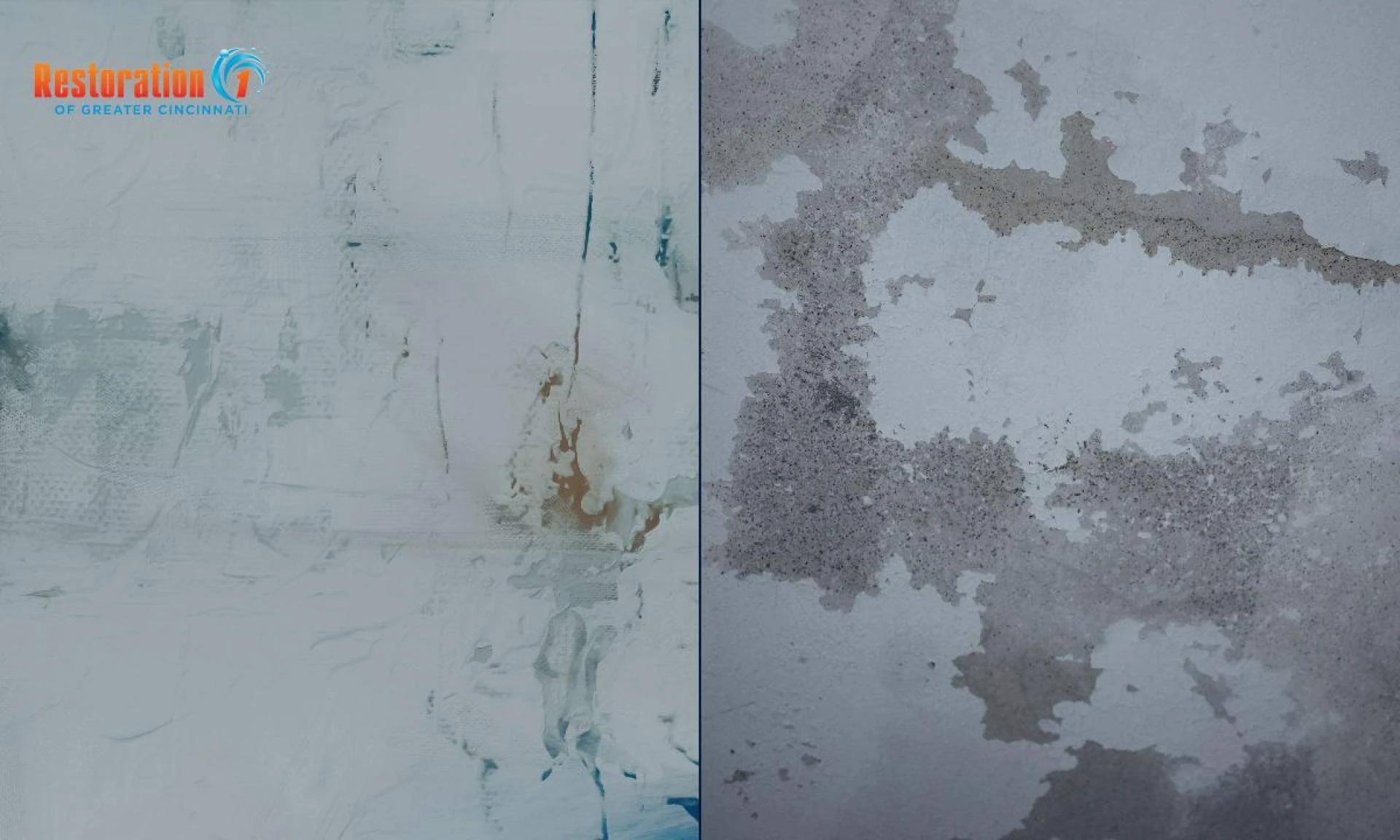

Dark streaks and shadowy stains on walls and ceilings may honestly be much more than just a nuisance; that's known as ghosting. It happens due to the deposition of airborne particles like dust, soot, and dirt on cooler surfaces and primarily results from poor insulation, humidity issues, or indoor air pollution. Aside from ruining the look of your home, ghosting could also tell you when your energy efficiency might be lined up for a review, among other questions about air quality.
What Causes Ghosting on Walls?
Ghosting will present as flared streaks, sooty lines, or darkened patches that follow the framing of a structure. The first step toward overcoming ghosting is building an understanding of what causes it.
Insulation Gaps & Thermal Bridging
Cold spots form in areas of insufficient insulation, typically along stud or joist lines. These cooler areas collect airborne particles that accumulate over long cosmetic lines.
Poor Indoor Air Quality
Activities like cooking, smoking, and burning candles produce small particulates. Inadequate ventilation means that these particles will settle upon the cooler stuff; hence the visible stains.
Moisture & Condensation
Condensation occurs when damp air is allowed to interact with cooler surfaces, which creates a sticky layer that may attract airborne detritus. Most common places for this are bathrooms, basements, and places where moisture is otherwise uncontrolled.
Ventilation Problems
Airflow that has been curtailed results in increased humidity and particle levels in the inside air. Rooms with obstructions to vents and no windows offer conditions particularly welcoming to ghosting.
Removing Ghosting from Walls & Ceilings
DIY Cleaning Techniques
In the small cases, an attempt at cleaning with just soap and basic house essentials is recommendable.
- Prepare the Surface—There is a must to remove loose particles with a soft brush or vacuum.
- Mild Cleaning Solution: Warm water with a gentle detergent. If that does not work, a diluted bleach solution (1 part bleach to 4 parts water) may be used for stubborn stains. Always make a spot test on a hidden area first.
- Gentle Scrubbing: Do this with a soft cloth or sponge, as we do in circular motions. Stains that have gone in deep might require specialized cleaners.
- Rinse & Dry: Wipe the stained area with a clean, damp cloth and allow it to air-dry completely.
- Apply paint if you need to: Otherwise, if staining continues within the repairs, then the solution would be the application of a stain-blocking primer and painting it over.
When to Put a Call in to the Professionals
Some situations call for professional intervention:
- Extensive or Widespread Staining - If ghosting is visible through large patches, this is better handled by professional deep-cleaning services.
- Deep-Seated Stains - Certain discolorations require specialized treatments that are simply beyond a handful of cleaning services.
- Structural Concerns & Environmental Concerns - It is only after a qualified assessor has reviewed the areas that possibility for insulation, air circulation, or moisture consideration is occurred.
Ghosting vs. Mold: Key Differences
Discoloration on the wall may be worrisome, but it is important to differentiate ghosting from mold growth.
Appearance & Texture
- Ghosting - Streaks, lines, or otherwise smoky patches appearing mostly along frames, windows, and doors.
- Mold - Grows as clumps (often black, green, or white) with a fuzzy or slimy texture; irregular shapes.
Development over Time
- Ghosting - Slow development due to airborne particles settling on cooler surfaces.
- Mold - Develops rapidly where there's dampness, often within 72 hours, expanding thereafter.
Causes & Risks
- Ghosting - Due to errors in insulation, improper ventilation, and other indoor pollutants. It is simply mostly cosmetic in terms.
- Mold - Grows really well in places where water does persist, which can lead to serious health issues and the destruction of a building structure.
Preventing Ghosting on Walls
- Improve Indoor Air Quality
- Use HEPA filters in your HVAC system.
- Regularly clean ducts and keep the airflow proper.
- Minimize indoor pollutants by reducing smoking, candle-burning, and cooking fume excretion.
- Control Humidity Levels
- Help to keep humidity below 55% with dehumidifiers in place.
Always make sure that there is good ventilation in bathrooms, basements, and attics.
Enhance Insulation
Seal gaps on windows, doors, and ceilings to do away with cold spots.
The first upgrade was the insulation, especially in attics and external walls.
Use Protective Coatings
Primers and paints are applied as soon as possible to include stain resistance against airborne splatter.
Consider Calling in the Professionals
If ghosting continues despite your cleaning efforts, this is an indication that there might be something wrong deeper down. Professional assessment is warranted with these signs of:
- Repeated Stains – If the ghosting reappears, structural problems may exist.
- Excess Moisture – Signs such as high humidity, condensation, or wetness all suggest ventilation or insulation problems.
- Mold Could Be Present – If the discoloration is somewhat puffing out or has an irregular textural pattern, then it may need urgent mold treatment.
Why select Restoration 1?
Restoration 1 analyzes ghosting problems for their source. Our experts offer:
- Expert Stain Removal & Surface Restoration
- Advanced Cleaning Techniques
- Moisture & Air Quality Assessments
- Long-Term Prevention Solutions
- Restore Your Home And Mind
Don't allow ghosting to ruin the appearance and health of your home. Restoration 1 is a professional service that will resolve the issues at the source and address the symptoms.










Sign in to leave a comment.