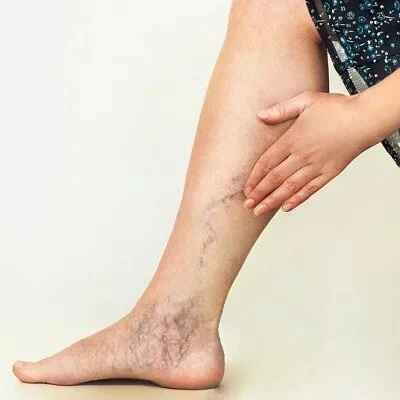

Sclerotherapy in Abu Dhabi is a widely used and effective minimally invasive procedure for treating varicose and spider veins. While the majority of patients experience successful outcomes, it's essential to be aware of potential complications and how to prevent and manage them. This article provides a user-friendly and informative guide on understanding, preventing, and managing complications associated with sclerotherapy.
Understanding Sclerotherapy
Sclerotherapy involves injecting a solution directly into the affected veins, causing them to collapse and fade over time. It is commonly performed for cosmetic purposes to eliminate unsightly spider veins and for medical reasons to address symptoms associated with varicose veins. Despite its high success rate, complications may arise, emphasizing the importance of proper patient selection, technique, and post-treatment care.
Common Complications
Bruising and Swelling: One of the most common side effects of sclerotherapy is temporary bruising and swelling at the injection site. This is typically a minor concern and resolves on its own within a few days.
Hyperpigmentation: Some patients may experience darkening of the skin surrounding the treated veins. This is usually temporary but can persist for several months. Sun protection is crucial to prevent exacerbation of hyperpigmentation.
Allergic Reactions: While rare, allergic reactions to the sclerosing agent can occur. It is vital to inform your healthcare provider of any allergies beforehand to minimize this risk.
Ulceration: In rare cases, ulceration may occur at the injection site. This complication requires immediate medical attention.
Matting: Matting, or the development of tiny, red blood vessels near the treated area, can occur. Although generally not harmful, it may require additional sessions for correction.
Blood Clots: Although extremely rare, blood clots can form in the treated veins, potentially causing more severe complications. Proper patient assessment and technique can minimize this risk.
Preventive Measures
Thorough Patient Assessment: A comprehensive evaluation of the patient's medical history, including any existing health conditions or allergies, is crucial. This helps identify potential risk factors and allows the healthcare provider to tailor the treatment plan accordingly.
Proper Technique: Ensuring that the sclerotherapy procedure is performed by a skilled and experienced healthcare professional is paramount. Proper technique reduces the risk of complications and enhances the likelihood of a successful outcome.
Patient Education: Educating patients about the procedure, potential side effects, and post-treatment care is essential. Managing expectations and providing clear instructions for at-home care can contribute to a smoother recovery.
Sun Protection: Advise patients to avoid direct sunlight on treated areas for several weeks following the procedure. Sunscreen application is crucial to prevent hyperpigmentation.
Compression Stockings: Encourage the use of compression stockings as directed by the healthcare provider. These garments promote proper blood circulation and reduce the risk of complications such as bruising and swelling.
Managing Complications
Bruising and Swelling: Apply cold compresses to the affected area and consider over-the-counter arnica gel to alleviate bruising and swelling. It's advisable to avoid hot baths and strenuous exercise for a few days.
Hyperpigmentation: Topical lightening agents may be recommended by your healthcare provider to address hyperpigmentation. Sun protection is crucial to prevent further darkening of the skin.
Allergic Reactions: Immediate medical attention is necessary if an allergic reaction occurs. Patients should inform their healthcare provider of any unusual symptoms, such as difficulty breathing, rash, or swelling.
Ulceration: In the rare event of ulceration, contact your healthcare provider immediately. Proper wound care and follow-up appointments are essential for timely resolution.
Matting: Additional sclerotherapy sessions may be required to address matting. Patience is key, as this complication often resolves with time and appropriate treatment.
Blood Clots: If there is suspicion of a blood clot, seek medical attention promptly. Early detection and intervention are crucial in managing this rare but serious complication.
Conclusion
Sclerotherapy in Abu Dhabi is a safe and effective treatment for vein issues when performed by experienced healthcare professionals. Understanding the potential complications, taking preventive measures, and knowing how to manage any issues that may arise are integral parts of the treatment process. As a patient, open communication with your healthcare provider and strict adherence to post-treatment care instructions will contribute to a successful sclerotherapy experience with minimal complications. Always consult with a qualified healthcare professional for personalized advice based on your unique health profile.











Sign in to leave a comment.