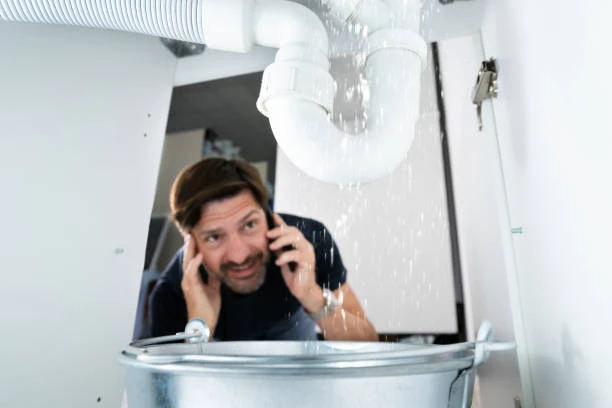

Plumbing is an essential part of any home, providing us with the convenience of clean water for drinking, cooking, bathing, and more. However, it's also a system that can wreak havoc on our lives when things go wrong. From burst pipes to overflowing toilets, plumbing emergencies can be inconvenient and expensive to repair. The good news is that many of these situations can be prevented with proactive measures. In this blog, we'll explore how to avoid plumbing disasters and save yourself from the stress and expense of emergency plumbing situations, with the guidance of a trusted local plumber in Katy when needed.
Regular Maintenance
Regular maintenance is one of the most effective ways to prevent plumbing emergencies. Just as you wouldn't skip servicing your car, your plumbing system requires periodic check-ups, too. Here are some maintenance tasks to consider:
Inspect for Leaks: Regularly check for leaks in faucets, pipes, and fixtures. Even a small drip can lead to significant water damage over time.Clear Clogs: Don't ignore slow drains or minor clogs. These can escalate into major blockages if left untreated.Water Heater Maintenance: Flush your water heater annually to remove sediment buildup, which can reduce its efficiency and lifespan.Replace Old Pipes: If your home has outdated plumbing, consider replacing it with modern, more durable materials. This can prevent pipe bursts and leaks.Proper Disposal Practices
Many plumbing emergencies result from the improper disposal of waste and objects down drains and toilets. To avoid these issues:
Avoid Grease Buildup: Never pour grease or cooking oils down the sink. They can solidify in your pipes, causing clogs.Use Drain Screens: Install drain screens in sinks, showers, and tubs to catch hair, soap scum, and debris before they can clog pipes.Don't Flush Non-Flushables: Only flush toilet paper down the toilet. Items like wet wipes, sanitary products, and paper towels should be disposed of in the trash.Insulate Pipes
In colder climates, frozen pipes can be a major plumbing headache. Prevent them by insulating your pipes:
Wrap Exposed Pipes: Pipes in unheated areas, such as basements and crawlspaces, should be wrapped with insulation to keep them from freezing.Drip Faucets: On particularly cold nights, leave a faucet dripping slightly to keep water flowing and prevent freezing.Monitor Water Pressure
Excessive water pressure can put stress on your plumbing system, leading to leaks and bursts:
Install a Pressure Regulator: If your home has high water pressure, consider installing a pressure regulator to maintain safe levels.Regularly Check Pressure: Periodically check your water pressure using a pressure gauge. If it's consistently high, take action to regulate it.Educate Household Members
Educating everyone in your household about responsible plumbing practices is crucial:
Teach Children: Ensure children know what not to flush down the toilet and how to use sinks and showers responsibly.Emergency Procedures: Ensure everyone knows how to shut off the main water supply in case of a major leak or burst pipe.Conclusion
Preventing emergency plumbing Katy situations through proactive measures is not only cost-effective but also essential for maintaining the comfort and safety of your home. By following the tips outlined in this blog, you can significantly reduce the risk of plumbing disasters, save money on repairs, and enjoy peace of mind knowing that your plumbing system is in good shape. Remember that regular maintenance, responsible disposal practices, insulation, monitoring water pressure, and educating your household members are all key elements in keeping your plumbing running smoothly. Don't wait for a plumbing emergency; take action today to protect your home and wallet.





Sign in to leave a comment.