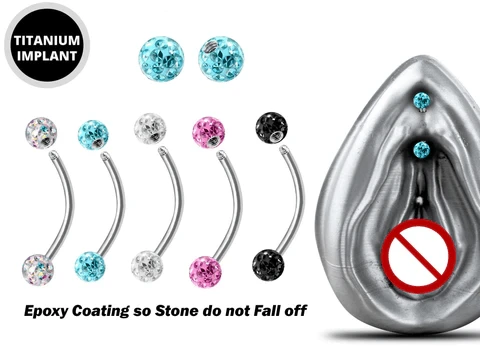

Body jewelry has evolved into a thriving realm of self-expression, style, and individuality. Among the numerous forms of body jewelry, Prince Albert jewelry holds a unique place, blending aesthetics with cultural significance. This article delves deep into the fascinating world of Prince Albert body jewelry, providing insights into its history, types, materials, care tips, and more.
What is Prince Albert Jewelry?
Prince Albert jewelry refers to a specific type of body jewelry designed for the Prince Albert piercing, one of the most well-known and sought-after male genital piercings. Named after Prince Albert, the consort of Queen Victoria, the piercing carries both a historical and cultural allure. It is believed that Prince Albert himself had this piercing, supposedly to "tame" his anatomy for wearing fitted trousers. While the historical accuracy of this claim is debated, the name and popularity have endured.
Types of Prince Albert Body Jewelry
Choosing the right type of jewelry is crucial for comfort, style, and proper healing. Here are the most common types of Prince Albert jewelry:
1. Circular Barbells
Circular barbells are versatile and stylish, featuring a curved design with removable beads on both ends. They’re a popular choice for those who want a classic yet edgy look.
2. Captive Bead Rings (CBRs)
Captive bead rings consist of a circular ring with a single bead held in place by tension. These are excellent for those seeking a secure and simplistic design.
3. Segment Rings
Segment rings provide a smooth and seamless appearance. They’re a great option for a minimalist aesthetic and are easy to insert and remove.
4. Straight Barbells
Straight barbells, featuring a straight rod with beads on each end, are another popular choice for Prince Albert piercings. They’re particularly favored for their comfort and ease of use.
5. Curved Barbells
Curved barbells are ergonomically designed to fit the anatomy comfortably, reducing irritation and promoting healing.
Materials Used in Prince Albert Jewelry
The material of the jewelry plays a significant role in ensuring safety, comfort, and style. Here are the most common materials used for Prince Albert body jewelry:
1. Surgical Steel
Known for its durability and hypoallergenic properties, surgical steel is a popular choice for body jewelry. It’s affordable and has a polished, sleek appearance.
2. Titanium
Titanium is lightweight, corrosion-resistant, and biocompatible, making it an excellent option for those with sensitive skin or allergies.
3. Gold
Gold body jewelry—both 14k and 18k—offers a luxurious look. It’s essential to ensure that the gold is nickel-free to prevent allergic reactions.
4. Platinum
Platinum is a premium choice for Prince Albert jewelry, known for its strength, hypoallergenic properties, and stunning appearance.
5. Acrylic
Acrylic jewelry is lightweight and comes in various colors and designs. It’s often used for temporary wear or during the healing process.
6. Organic Materials
Wood, stone, and bone are eco-friendly and unique options. However, these are typically used after the piercing has fully healed.
Choosing the Right Size and Gauge
When selecting Prince Albert jewelry, size and gauge are critical considerations. The gauge refers to the thickness of the jewelry, while the size pertains to its length or diameter. A professional piercer can guide you in choosing the appropriate gauge and size based on your anatomy and comfort.
How to Care for Prince Albert Jewelry
Proper care is vital to ensure the longevity of your jewelry and the health of your piercing. Here are some tips:
1. Regular Cleaning
Use a saline solution or a mild, non-alcoholic cleanser to clean the piercing and jewelry. Avoid harsh chemicals that may cause irritation.
2. Avoid Excessive Movement
During the healing phase, limit movement of the jewelry to prevent irritation or tearing.
3. Opt for High-Quality Materials
Invest in jewelry made from hypoallergenic and biocompatible materials to minimize the risk of infections and allergies.
4. Replace Damaged Jewelry
Check your jewelry regularly for signs of wear or damage, such as loose beads or cracks. Replace damaged pieces promptly.
5. Consult a Professional
If you experience discomfort, swelling, or discharge, consult a professional piercer or healthcare provider for advice.
Cultural and Social Significance
Prince Albert jewelry is more than just an accessory; it’s a statement of individuality and self-expression. For many, it’s a way to embrace and celebrate their bodies. Additionally, the piercing has gained popularity within various subcultures and communities, symbolizing freedom, boldness, and confidence.
Trends in Prince Albert Jewelry
The world of body jewelry is ever-evolving, with new designs and trends emerging regularly. Here are some current trends in Prince Albert jewelry:
1. Custom Designs
Customized jewelry allows individuals to express their unique style through personalized engravings, gemstones, or intricate patterns.
2. Gemstone Accents
Jewelry adorned with gemstones such as diamonds, sapphires, or emeralds adds a touch of elegance and sophistication.
3. Vibrant Colors
From neon hues to iridescent finishes, colorful jewelry is becoming increasingly popular, offering a playful and modern look.
4. Eco-Friendly Options
Sustainable materials such as recycled metals and organic elements are gaining traction among environmentally-conscious consumers.
FAQs About Prince Albert Jewelry
1. Does the Prince Albert piercing hurt?
Pain levels vary depending on individual tolerance, but most people report it as a brief and manageable discomfort.
2. How long does it take to heal?
The average healing time for a Prince Albert piercing is 4 to 6 weeks, though it may vary based on aftercare practices and individual healing rates.
3. Can I wear any type of jewelry during the healing phase?
No, it’s essential to use jewelry made from hypoallergenic and non-irritating materials, such as surgical steel or titanium, during the healing process.
4. How do I know if my jewelry is the right size?
A professional piercer can measure and recommend the appropriate size based on your anatomy and preferences.
5. Is it safe to change jewelry frequently?
It’s best to avoid changing jewelry frequently, especially during the healing phase, as this can irritate the piercing.
Conclusion
Prince Albert jewelry represents a bold fusion of style, individuality, and cultural significance. Whether you’re considering this piercing for the first time or looking to upgrade your existing collection, understanding the types, materials, and care requirements is essential. With the right knowledge and high-quality jewelry, you can confidently embrace this unique form of self-expression. Explore the vast array of designs and materials available, and find the perfect piece to reflect your personality and style.








Sign in to leave a comment.