

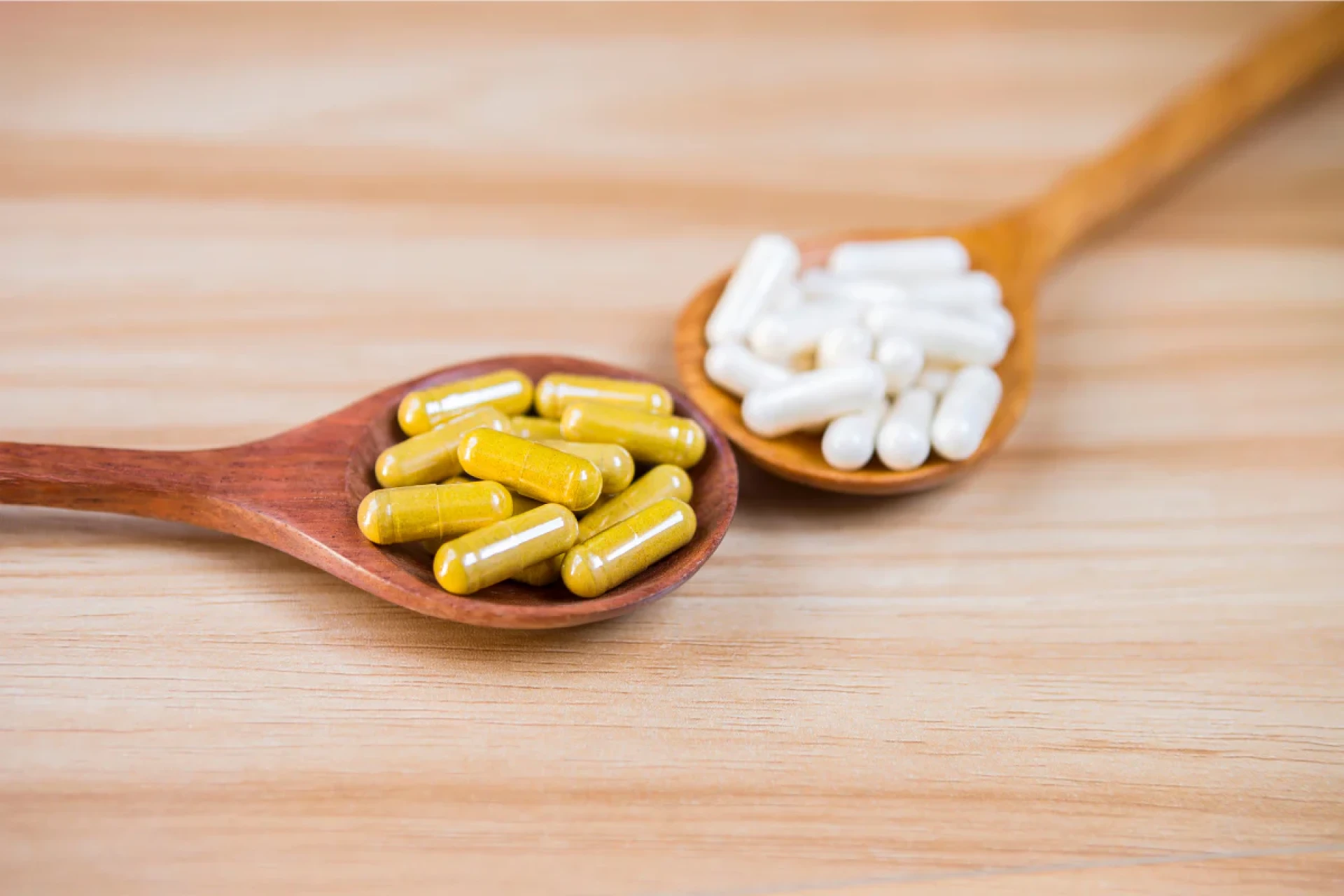
In recent years, probiotic capsules have surged in popularity as more people recognize the vital connection between gut health and overall well-being. These tiny, powerful supplements are filled with live microorganisms, commonly known as “good bacteria”—that work to restore and maintain a healthy balance in your digestive system.
While probiotics are naturally found in fermented foods like yogurt, kefir, and sauerkraut, many people prefer the convenience and consistency of taking them in capsule form. But what exactly are probiotic capsules, and why should you consider adding them to your health routine? Let’s explore.
What Are Probiotic Capsules?
Probiotic capsules are dietary supplements that contain live strains of beneficial bacteria or yeast. These microorganisms help repopulate the gut with healthy flora, which is essential for digestion, immunity, and even mood regulation.
Unlike food sources, probiotic capsules offer targeted delivery systems—such as delayed-release or acid-resistant coatings to ensure the bacteria survive stomach acid and reach the intestines where they’re most effective.
How Do Probiotics Work?
Your gut is home to trillions of microorganisms, forming a complex ecosystem known as the gut microbiome. This internal community influences how well you digest food, absorb nutrients, fight infections, and maintain a strong immune response.
When this microbial balance is disrupted, due to stress, antibiotics, poor diet, or illness, probiotic capsules help replenish the good bacteria, crowd out harmful microbes, and restore harmony to your digestive system.
Key Health Benefits of Probiotic Capsules
1. Supports Digestive Health
Probiotics are best known for improving digestion. They can help reduce bloating, gas, and constipation. Individuals suffering from IBS (Irritable Bowel Syndrome) or other chronic gastrointestinal issues often report significant relief after adding probiotic capsules to their regimen.
2. Enhances Immune Function
Around 70% of your immune system resides in the gut. A healthy microbiome helps your body recognize harmful invaders and respond effectively. Regular use of probiotics may reduce the frequency and severity of colds, flu, and other infections.
3. Helps Restore Balance After Antibiotics
While antibiotics fight harmful bacteria, they also wipe out the good ones. Probiotic capsules are commonly used post-antibiotic treatment to restore beneficial gut flora, reducing the risk of antibiotic-associated diarrhea and yeast infections.
4. Promotes Mental Well-Being
The gut-brain axis is a two-way communication pathway between your gastrointestinal system and your brain. Research shows that probiotics may positively influence mood, stress response, and even symptoms of anxiety and depression.
5. Supports Skin Health
Emerging evidence suggests that probiotics can help with skin conditions such as acne, eczema, and rosacea by reducing inflammation and improving the gut-skin connection.
How to Choose the Right Probiotic Capsules
Not all probiotics are created equal. Here’s what to consider when selecting the right supplement:
- Strain-Specific Benefits: Different strains support different needs. For example, Lactobacillus rhamnosus is great for digestive health, while Bifidobacterium bifidum may benefit immunity.
- Colony Forming Units (CFUs): Look for products with at least 5–10 billion CFUs per dose for general health.
- Multi-Strain Formulas: A mix of strains often provides broader benefits than a single-strain product.
- Delivery System: Choose capsules that offer enteric coating or delayed-release to protect bacteria from stomach acid.
- Storage Requirements: Some probiotics require refrigeration, while others are shelf-stable. Read the label carefully.
When and How to Take Probiotic Capsules
The best time to take probiotic capsules is typically on an empty stomach either 30 minutes before a meal or two hours after to maximize survival through the stomach's acidic environment. However, some formulations may be designed to be taken with food.
It’s advisable to take probiotics consistently every day. Results can vary based on the individual and the health concern, but many users notice improvements within 1–2 weeks of regular use.
Are There Any Side Effects?
Probiotic capsules are generally safe for most people. Mild side effects like bloating or gas may occur during the first few days as your gut adjusts, but these symptoms usually subside quickly.
Those with weakened immune systems or critical health conditions should consult a healthcare provider before taking probiotics.
Final Thoughts
Probiotic capsules are more than just a trend—they’re a science-backed tool for better gut health, stronger immunity, and overall wellness. By helping your body maintain a balanced microbiome, probiotics can improve everything from digestion to mood and skin health.
Whether you’re recovering from antibiotics, managing digestive issues, or simply seeking to support your health from the inside out, adding a daily probiotic supplement to your wellness routine could make a noticeable difference.
Your gut is the gateway to good health—treat it well, and it will reward you.

























Sign in to leave a comment.