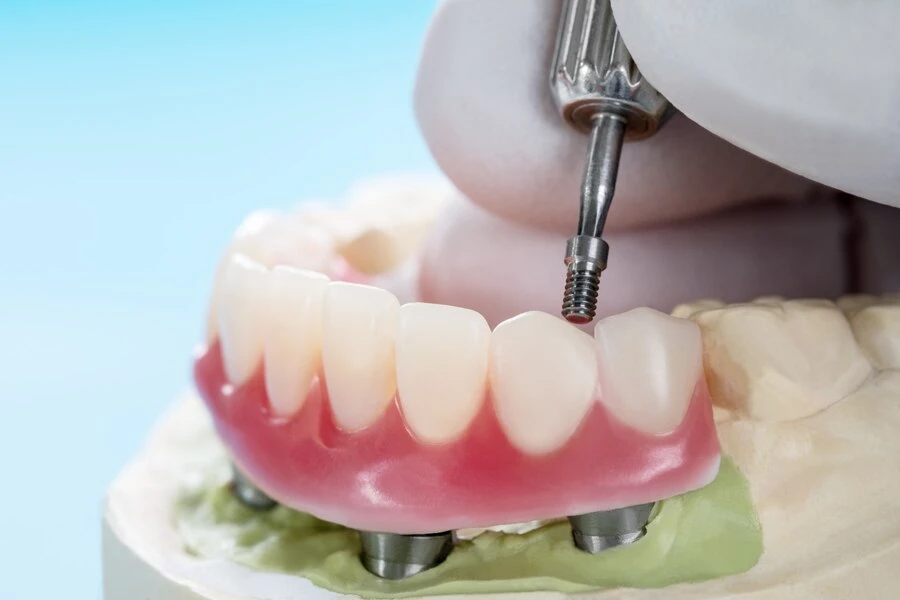

The procedure for obtaining implant overdentures involves a series of steps integrating dental implants with removable dentures. This comprehensive guide outlines the sequential process, from the initial consultation to the final placement of the overdentures. Understanding the procedure can help patients make informed decisions and alleviate any concerns.
It is important to note that the exact procedure may vary depending on individual circumstances and the specific treatment plan recommended by the dentist or oral surgeon.
Step 1: Initial Consultation and Treatment Planning:
The first step in obtaining overdentures is to schedule an initial consultation with a dental professional experienced in implant dentistry. During this consultation, the dentist will evaluate the patient's oral health, including the condition of the jawbone, gums, and any remaining teeth. X-rays, CT scans, or other imaging techniques may be used to assess the quantity and quality of the jawbone.
Based on the evaluation, the dentist will discuss the treatment options, explain the advantages and potential risks, and address any concerns or questions the patient raises. A customized treatment plan will be developed, taking into consideration the number of implants needed, the type of denture, and any additional procedures, such as bone grafting or tooth extraction, that may be required.
Step 2: Dental Implant Placement:
The next step involves the surgical placement of dental implants into the jawbone. This procedure is typically performed under local anesthesia, ensuring the patient's comfort. Sometimes, sedation or general anesthesia may be recommended for patients with dental anxiety or more complex cases.
During the surgery, an incision is made in the gum tissue to expose the underlying jawbone. Small holes are then drilled into the bone, and the dental implants, usually made of biocompatible titanium, are carefully inserted into the prepared sites. The number of implants required will depend on the treatment plan developed during the consultation phase.
After implant placement, the gums are sutured, and a temporary denture or healing abutments may be placed to facilitate the healing process. Over several months, the dental implants undergo osseointegration, a biological process in which the bone fuses with the implant, ensuring stability and strength.
Step 3: Healing and Osseointegration:
The healing and osseointegration period is crucial for the success of the overdenture implant procedure. During this phase, the patient must follow post-operative instructions provided by the dental professional to ensure proper healing and integration of the implants.
It is common to experience some swelling, bruising, and discomfort in the days following the surgery. Pain medications and antibiotics may be prescribed to manage discomfort and prevent infection. As advised by the dental professional, soft foods and a modified oral hygiene routine should be followed to protect the surgical sites.
Regular follow-up visits will be scheduled to monitor the healing process and assess the integration of the implants with the jawbone. This period can vary depending on individual healing rates but typically ranges from three to six months. The dentist will determine when the implants are sufficiently integrated and ready for the next phase of the procedure.
Step 4: Abutment Placement and Impressions:
Once the dental implants have fully integrated with the jawbone, the next step is to place abutments. Abutments are small connectors that serve as the attachment point for the overdenture. During this procedure, the dentist will make a small incision in the gums to expose the implant, remove the healing abutment (if present), and attach the permanent abutment.
Once the abutments are in place, impressions of the mouth are taken to create
Custom-made overdentures. These impressions capture the shape and alignment of the implants, gums, and surrounding teeth. When designing the overdentures, the dentist will also consider factors such as bite alignment, aesthetics, and the patient's preferences.
Step 5: Fabrication of Overdentures and Final Placement :
Dental technicians will fabricate the overdentures in a dental laboratory using the impressions. The overdentures are custom-made to fit precisely over the abutments and match the patient's natural teeth in color, shape, and size.
Once the overdentures are ready, the patient returns to the dental office for the final placement. The dentist will ensure proper fit, bite alignment, and aesthetics before securing the overdentures onto the abutments. Depending on the treatment plan and the patient's specific needs, the attachments may include metal housings, bar connectors, or magnetic attachments.
The dentist will provide instructions on how to care for and maintain the overdentures, including proper cleaning techniques and regular dental check-ups. Periodic adjustments or relining of the dentures may be necessary to maintain optimal fit and function.
Conclusion:
The procedure for obtaining implant overdentures involves multiple steps, including initial consultation and treatment planning, dental implant placement, healing and osseointegration, abutment placement and impressions, and the final fabrication and placement of the overdentures. Following these steps, patients can achieve enhanced oral function, stability, and aesthetics with implant overdentures.











Sign in to leave a comment.