
Over time, polyethylene (PE) recycling has advanced owing to various American businesses that have taken the initiative to create new procedures and initiatives. Given that the polyethylene market has been gradually expanding over the previous decade and is anticipated to continue growing, this innovation in recycling is likely to become more important in the years to come.
We are all aware of the harm that plastics can do to the environment, yet low-density polyethylene (LDPE), one of those common PEs, is a great option for recycling. Let's examine its recycling process in more detail and what it can accomplish for you.
Is LDPE Recyclable?
Plastic film has to be divided into high-density polyethylene (HDPE) and low-density polyethylene (LDPE) as well as coloured or printed film in order to be recycled. The value of the products made using recycled plastic might be significantly impacted by film that is not separated. To prevent contaminating one another's processing streams, which would significantly lower the value of the finished product, coloured or printed film and clear film are processed in separate processing streams.
Films with labels and clean films are additional components that need separation. Before moving on in the recycling process, labelled films may be cleaned in the United States thanks to technology. As a result, more film may be recycled here rather from being sent abroad.
How Does the Recycling of LDPE Plastic Work?
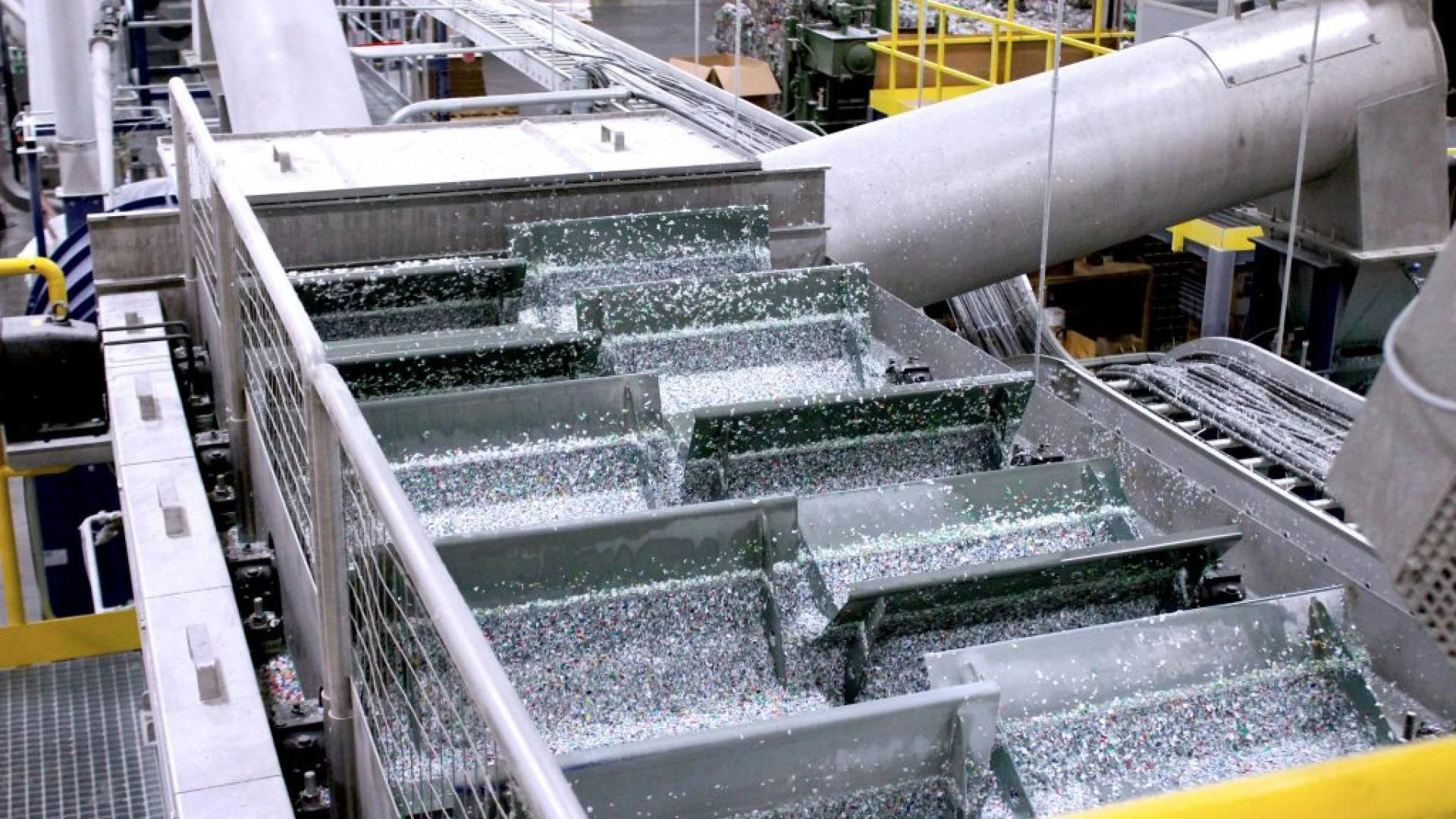
LDPE film is separated, then it is ground into flakes using grinders. The plastic is cleaned to eliminate dirt, impurities, and other debris once it has been reduced to flake form. For simplicity of handling, the cleaned flakes are then dried, melted, and formed into pellets.
New end products may be made using recycled LDPE alone or in combination with virgin LDPE material. For composite timber, architectural and agricultural uses, as well as other goods, recycled LDPE is often used to make pipelines, sheets, films, waste bags, and other items. On the other hand, recycled HDPE is often used to make plastic bags and composite timber.
Various grades of LDPE film are produced depending on a variety of criteria, many of which may also be converted into or used with linear low-density polyethylene (LLDPE) film, which has different structural characteristics:
Premium: Premium film is produced using LLDPE or LDPE film that is 100% dry, clean, and transparent post-industrial material.A: The majority of Grade A LDPE film is pure, transparent, dry, and natural; very little contamination from things like labels and colouring is permitted.B: Grade B film is 80 percent clear and contains 20 percent of clean, natural, coloured LDPE or LLDPE film.C: Dry LLDPE or LDPE film that is only 50% clear and 50% coloured is used to create the lowest grade of recycled film. Films made of HDPE and polypropylene (PP) are acceptable.
What Is Recycled LDPE Made Of?
LDPE film may be recycled and used to make a range of plastic products, including: • Composite timber • Trash bags and liners • Trash and compost bins • Paneling • Shipping envelopes • Furniture
We provide LDPE Granules Manufacturers India service all over India if you need LDPE Granules Manufacturers consultant then you can visit our website or you can mail us:- Click Here
What Advantages Does LDPE Recycling Offer?
Companies that recycle LDPE film have practical advantages in addition to less waste and a cleaner environment:
Lowering trash disposal costs: Recycling your LDPE removes it from the waste stream and reduces the quantity of garbage that must be transported away from your facility. In most cases, less rubbish would be collected, resulting in decreased waste disposal expenses. Aside from compensating you for your old LDPE film, several recycling companies will help you organise and set up a recycling programme at your site.Requiring fewer pickups: Because waste film takes up less area than waste corrugate, there are fewer recycling pickups and deliveries, which improves the environment by using less gasoline.Lowering energy demand: Because it is manufactured from natural gas, LDPE uses less energy to produce and recycle than corrugate.Taking part The answer to "how much LDPE is recycled?" is "not much." According to numbers issued by the Environmental Protection Agency (EPA) in 2015, just 13% of all LDPE or LLDPE containers and packaging were eventually recycled. Although recycling technology is rapidly advancing, even the most cutting-edge equipment is meaningless if LDPE is not recycled.Improved reputation: Being a green company may do wonders for your reputation. The more recycled things you can brag about, the more appealing you will seem to eco-conscious clients.0





Sign in to leave a comment.