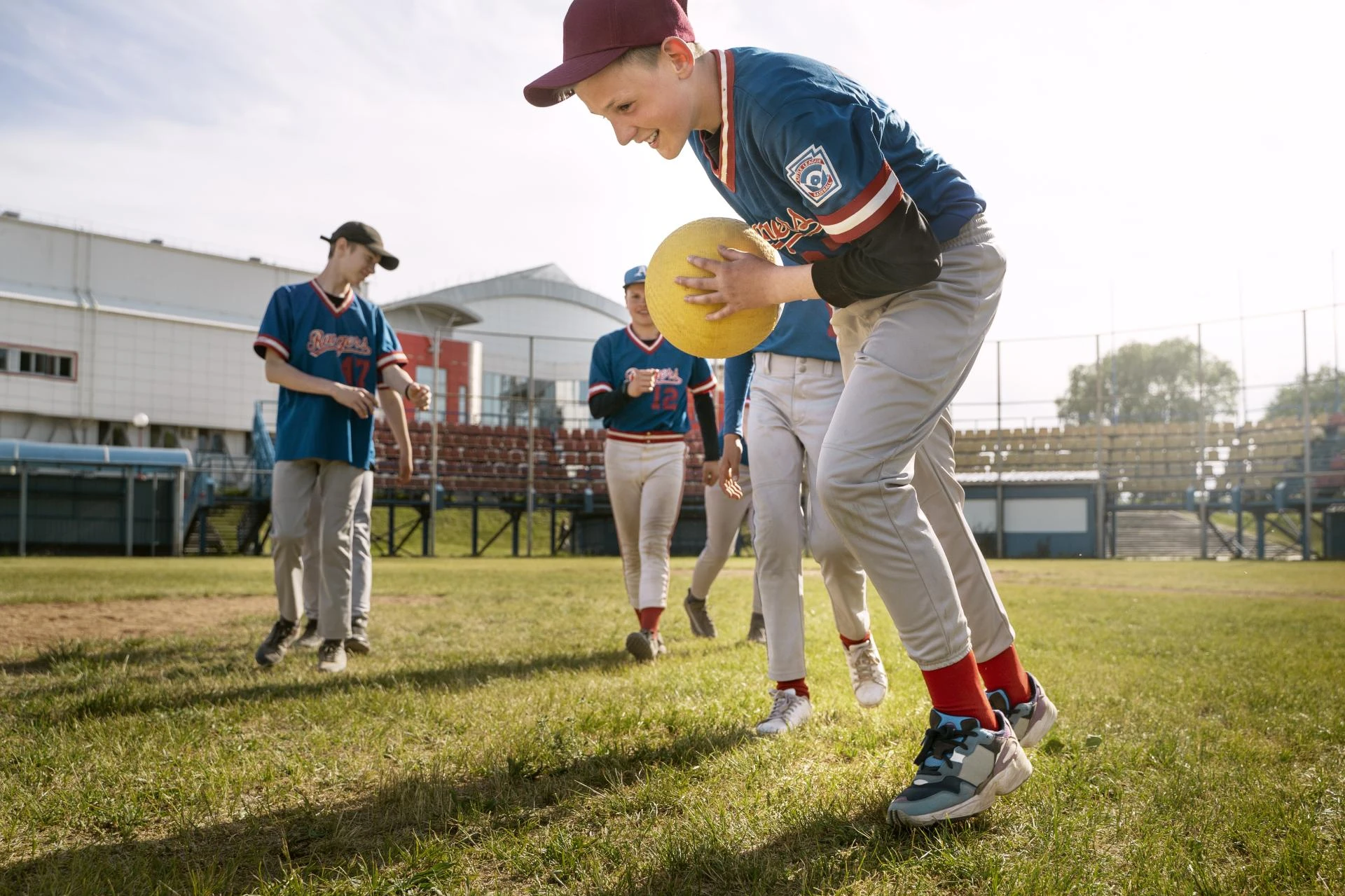
Many student-athletes and their families want to understand how to move from high school competition to college-level sports. The process of high school recruiting can seem complex, but with proper structure, guidance, and consistent effort, it becomes an organized path toward college opportunities. Insight-Athletics supports student-athletes through education and planning that build confidence and readiness.
Understanding the Pathway from High School to College
Recruiting starts with knowing what college coaches look for. Academic consistency, athletic performance, and communication all play roles in the process. High school athletes who plan early and stay informed can make decisions with less stress and more clarity.
Setting Clear Goals Early
Student-athletes benefit from defining both academic and athletic targets. Whether aiming for Division I or Division III, setting realistic timelines for applications, testing, and highlight videos keeps progress measurable.
Maintaining Academic Strength
Grades matter as much as athletic ability. College admissions teams evaluate transcripts closely, and NCAA eligibility requires consistent academic performance. Building good study habits and seeking tutoring when needed ensure long-term stability.
How Insight-Athletics Helps You Stay NCAA Compliant
NCAA rules guide the timeline and methods of communication between athletes and college programs. Understanding these rules prevents disqualification or eligibility delays. Insight-Athletics educates student-athletes on eligibility center registration, GPA requirements, and recruiting calendars.
Building a Strategic College Recruiting Game Plan
Every successful recruiting journey begins with structure. Athletes who follow a clear plan improve their chances of connecting with the right schools.
Creating a Target School List
Start by identifying colleges that align with both academic interests and athletic skill levels. Consider class size, coaching style, and scholarship opportunities. This helps focus outreach on schools that truly fit the athlete’s profile.
Preparing Strong Communication Materials
Emails to coaches, highlight reels, and resumes should present a complete picture. Coaches want to see consistent improvement, sportsmanship, and academic discipline. Insight-Athletics guides students in crafting messages that reflect professionalism and self-awareness.
Tracking Progress Over Time
Keeping a recruiting journal or spreadsheet helps athletes record responses, deadlines, and next steps. Reviewing this regularly ensures accountability and organized follow-up with college staff.
Key Stages of the High School Recruiting Process
The process of high school recruiting for college admissions involves multiple steps that athletes must understand clearly. Each stage requires planning and honest self-assessment. The goal is to find programs that match both academic goals and athletic potential.
- Self-Evaluation: Athletes begin by assessing their current skills, GPA, and eligibility requirements. This helps them identify realistic college options.
- Building a Profile: Creating a professional athletic resume and highlight video allows coaches to review an athlete’s abilities.
- Researching Colleges: Insight-Athletics encourages athletes to study each program’s athletic standards, academic expectations, and campus culture.
- Coach Communication: Writing clear and respectful introductory emails is key. Consistency and honesty create stronger impressions.
- Campus Visits: Visiting campuses provides perspective on where an athlete fits best — both academically and athletically.
- Commitment Decision: Once offers arrive, evaluating scholarship terms, playing opportunities, and academic support is essential before making a final choice.
These stages ensure that athletes move through recruiting with confidence and clarity. Insight-Athletics stands as an educational guide throughout each phase, helping student-athletes make informed, responsible decisions.
Five Common Mistakes to Avoid During High School Recruiting
Even skilled athletes can limit opportunities through avoidable errors. Staying informed prevents wasted effort and frustration.
- Ignoring Academic Eligibility: Many athletes focus on training but overlook GPA or core course requirements. Academic ineligibility can block NCAA approval.
- Starting Too Late: Waiting until junior or senior year can reduce scholarship and roster opportunities. Begin researching and preparing early in high school.
- Sending Generic Emails: Coaches receive hundreds of messages. Personalizing each email and showing real interest in the program makes a stronger impression.
- Neglecting Social Media Presence: College coaches often review online profiles. Maintain a respectful and positive presence to support your athletic brand.
- Overlooking Professional Guidance: Families trying to manage everything alone may miss critical NCAA updates or opportunities. Insight-Athletics offers education and structure that simplify each stage.
Soccer Recruiting and College Rules in 2025
As of November 12, 2025, soccer recruiting follows updated NCAA rules. Coaches can begin direct communication with student-athletes starting June 15 after sophomore year. Official visits are allowed starting August 1 before junior year. Insight-Athletics helps athletes and families interpret these updates and adjust their recruiting timelines accordingly.
Final Thoughts
The process of high school recruiting is about preparation, discipline, and informed decision-making. With guidance from Insight-Athletics, student-athletes can approach college admissions confidently, staying organized and focused on long-term goals.









Sign in to leave a comment.