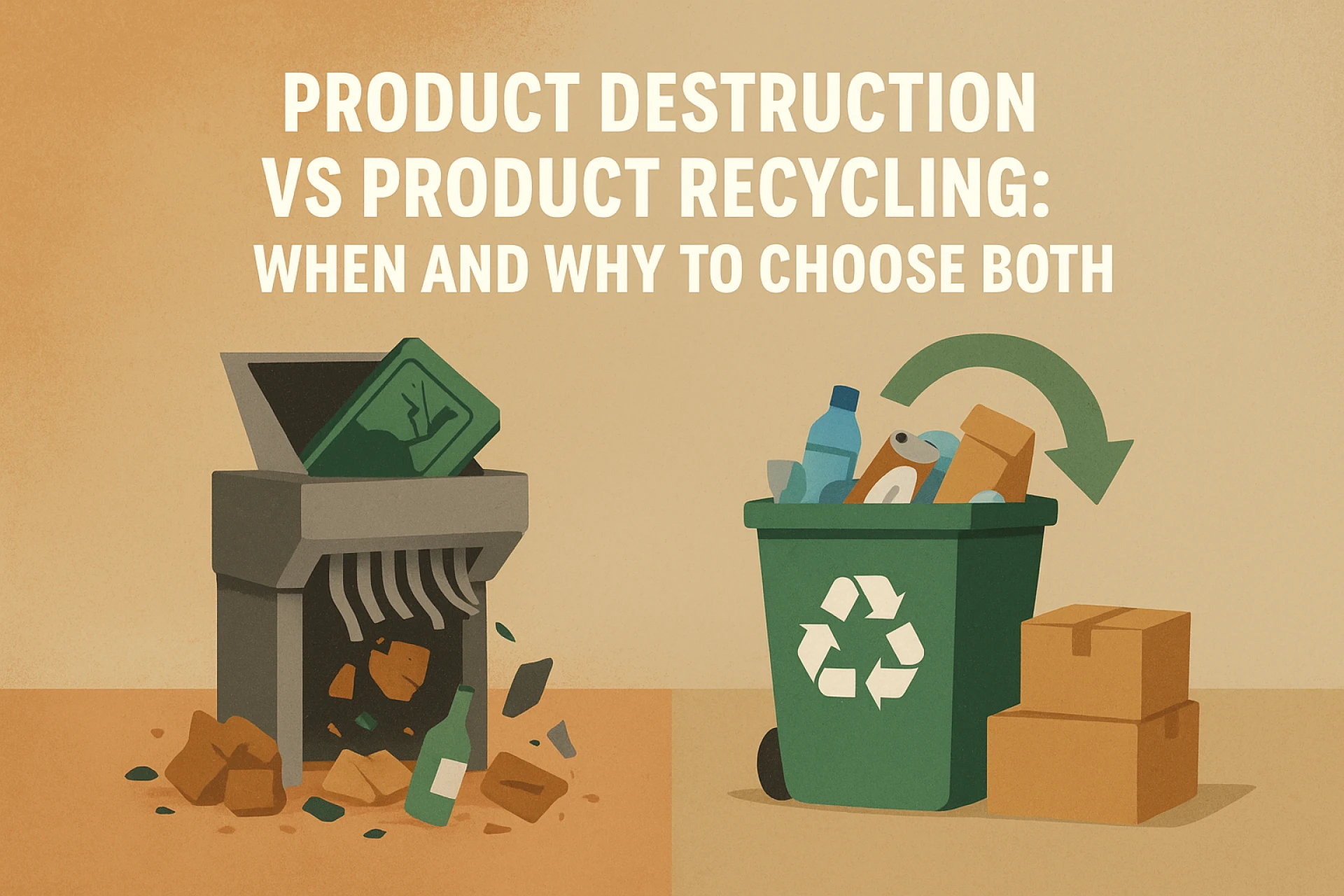

In today’s business world, companies generate a wide range of products and materials that eventually reach the end of their useful life. From defective stock and outdated items to confidential documents and old electronics, the question always arises: what should businesses do with these materials?
Many organizations in the UK are now turning to product destruction services in London as a reliable way to securely dispose of items that cannot re-enter the market. At the same time, recycling is being embraced for its environmental and sustainability benefits. But here’s the challenge — it’s not always clear when you should destroy a product completely and when recycling might be the better choice.
This blog explores the differences between product destruction and product recycling, the situations where each makes sense, and why many businesses benefit from combining both approaches.
Understanding Product Destruction
Product destruction services are designed to make sure items are permanently destroyed so they cannot be misused, resold, or leak sensitive information. These services handle everything from faulty stock and outdated uniforms to counterfeit goods and branded materials that should never reach the public.
Unlike general waste disposal, secure product destruction uses strict procedures and industrial-grade equipment to ensure that items are rendered completely unusable. Businesses often choose this route when the risk of products falling into the wrong hands is simply too high.
Examples of items often destroyed include:
- Defective electrical appliances
- Expired food and beverages
- Medical equipment with compliance issues
- Branded uniforms or packaging
- Counterfeit or returned goods
The goal is straightforward — protect your brand, reputation, and customers by ensuring sensitive items never reappear in the market.
Understanding Product Recycling
On the other hand, recycling focuses on recovering usable materials and reintroducing them into the supply chain. The process involves collecting, sorting, and breaking down items into their raw materials. Paper, plastics, metals, and electronics are common examples.
For businesses, recycling delivers several advantages:
- It reduces landfill waste
- Cuts disposal costs
- Shows commitment to sustainability and ESG goals
- Complies with environmental regulations
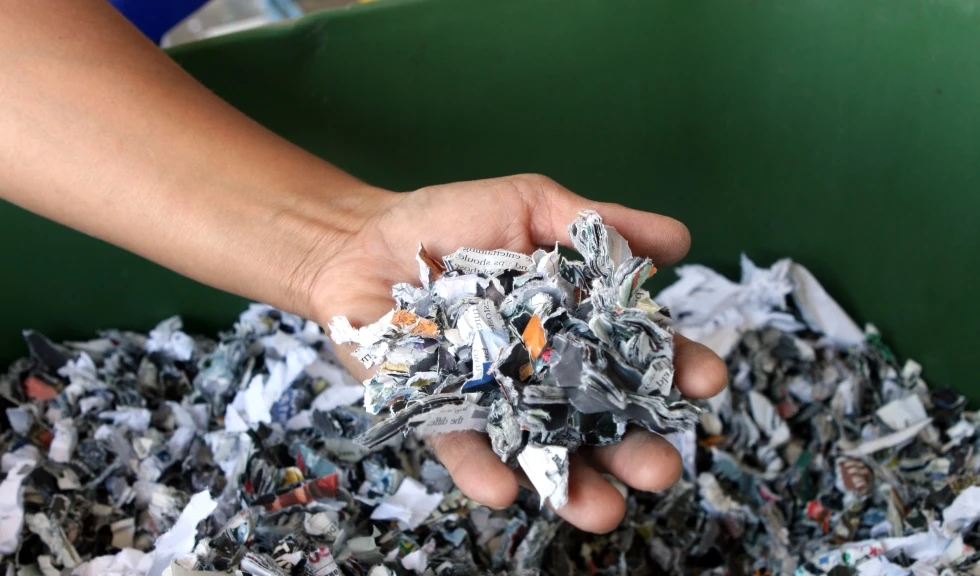
For example, Document Shredding Services often include recycling as a final step. Once paper is shredded securely, the waste is sent to paper mills where it is turned into new products. Similarly, IT recycling ensures that metals and plastics from old devices are safely recovered rather than wasted.
Recycling is particularly useful when the risk of misuse is low, but environmental responsibility is a high priority.
Product Destruction vs Recycling: Key Differences
The main difference between the two lies in intent and risk management. Destruction guarantees elimination of products, while recycling focuses on reuse of materials.
- Risk level: Items with security, compliance, or brand protection risks need destruction.
- Environmental impact: Where risk is low, recycling is the greener choice.
- Cost considerations: Recycling may save costs in waste management, while destruction is often more specialized.
- Customer perception: Both approaches demonstrate responsibility — destruction for safeguarding, recycling for sustainability.
It’s not always an either/or choice. Many UK businesses now use both destruction and recycling in tandem, balancing security with environmental responsibility.
When Should You Choose Product Destruction?
There are several situations where destruction is the only safe option:
1. Protecting Brand Reputation
Defective or counterfeit products that enter the market can cause serious brand damage. By using secure product destruction, companies ensure their name isn’t tied to unsafe or fake goods.
2. Regulatory Compliance
Industries like pharmaceuticals, healthcare, and food must follow strict rules on product safety. Destroying expired or non-compliant products helps avoid penalties and legal action.
3. Safeguarding Confidentiality
From branded packaging to uniforms, businesses often underestimate the risk of counterfeit use. Destruction ensures sensitive materials can’t be reused to mislead customers.
When Should You Choose Recycling?
Recycling shines in scenarios where security is less of a concern but sustainability is important:
1. Large-Scale Paper Waste
Using Document Shredding Services in London, businesses can shred paper securely and then recycle the remains into new paper products.
2. IT and Electronics
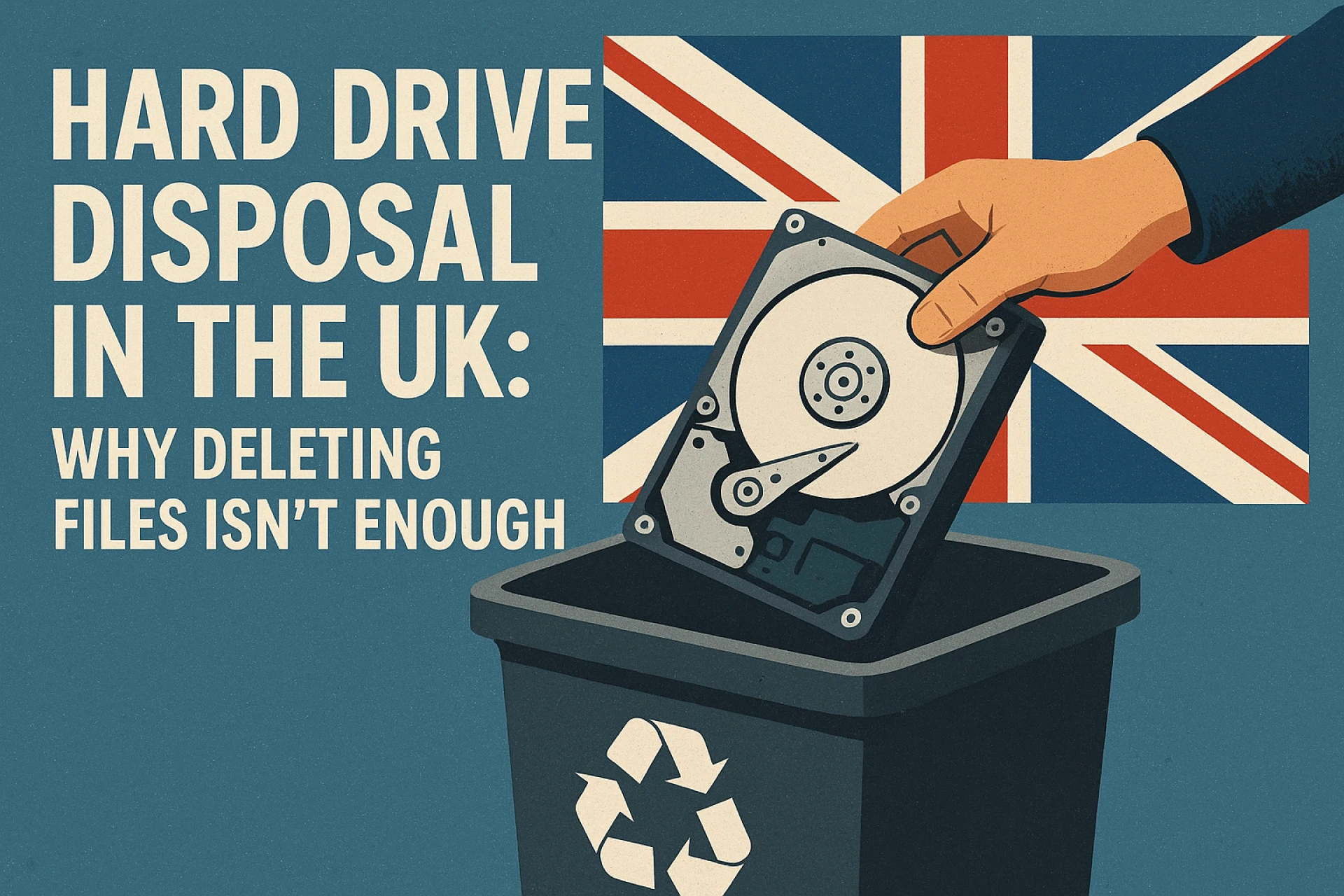
Old computers, mobile phones, and hard drives can be safely dismantled. While drives may need destruction, metals and plastics are recycled responsibly.
3. General Packaging
Non-sensitive cardboard, plastics, and metals are perfect candidates for recycling, reducing waste and supporting eco goals.
The Overlap: Combining Both Approaches
In reality, most businesses need a hybrid approach. For example, a company may use Professional Shredding Services to destroy confidential paperwork but also recycle the shredded remains. Similarly, an IT disposal company may destroy hard drives securely but recycle the surrounding hardware.
This dual approach gives the best of both worlds:
- Risk management through destruction
- Sustainability benefits through recycling
Businesses working with reliable providers can build a system where destruction and recycling go hand-in-hand, ensuring security without compromising eco-responsibility.
The Role of Professional Shredding Services
Finding the right partner is essential. A trusted Professional Shredding Service doesn’t just offer destruction but also integrates recycling where possible. They provide secure chain-of-custody, issue Certificates of Destruction, and ensure compliance with UK regulations.
By outsourcing to specialists, businesses free themselves from the burden of handling sensitive materials while maintaining transparency and accountability.
Why UK Businesses Can’t Ignore Secure Product Destruction
Counterfeit markets, data breaches, and compliance penalties are growing threats. Secure product destruction ensures companies can protect customers, maintain trust, and avoid fines. Unlike general waste disposal, it offers peace of mind that items are gone for good.
For industries like healthcare, pharmaceuticals, and electronics, this isn’t optional — it’s a business-critical process.
Environmental Responsibility Still Matters
Even when destruction is necessary, recycling can still play a role. Many providers make sure that destroyed materials are recycled responsibly wherever possible. For example, shredded paper becomes pulp for new products, and dismantled electronics are broken down into recyclable components.
This approach ensures businesses don’t have to choose between security and sustainability.
The Future of Product Disposal in the UK
With rising regulations, stricter environmental targets, and increasing consumer awareness, UK companies are under pressure to get disposal right. Businesses that fail to act responsibly risk not only fines but also reputational damage.
Forward-thinking organizations are now designing disposal strategies that combine product destruction services with recycling, striking a balance between safety and eco-friendliness.
Final Thoughts
Choosing between destruction and recycling doesn’t have to be a tough decision. Both approaches serve different purposes, and in many cases, they complement each other.
If the goal is to protect your brand and avoid risks, destruction is the way forward. If sustainability and cost savings are key, recycling makes sense. In most cases, the smartest solution is a blend of both.
Working with trusted providers ensures compliance, accountability, and eco-responsibility at every step. Businesses in the UK can count on experts that combine secure destruction with recycling for a complete solution.
When security is the top priority, companies should rely on Secure Shredding Service in UK providers who understand the balance between protecting sensitive products and safeguarding the environment.



























Sign in to leave a comment.