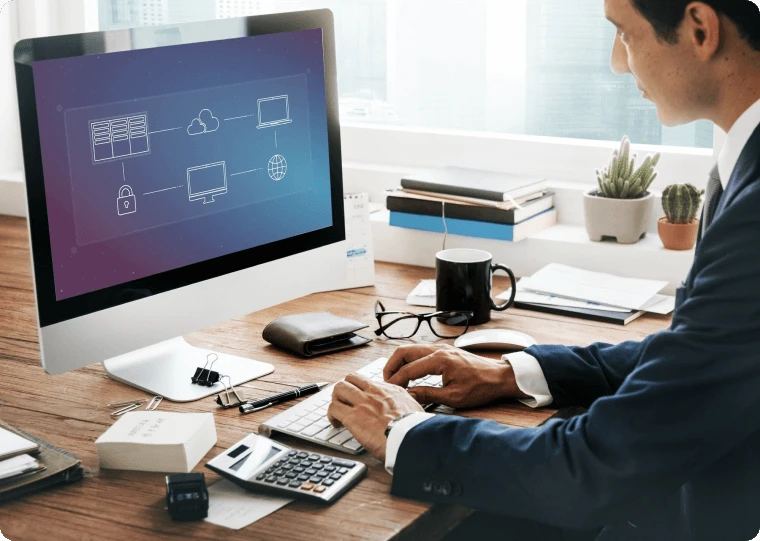

Managing rental properties can be a complex task, requiring efficient handling of leases, tenants, maintenance, and finances. Property management software simplifies these processes by automating tasks, organizing information, and improving communication between landlords, tenants, and property managers.
In this blog, we will explore what property management software is, how it works, its benefits, key features to look for, and how to choose the right one for your needs.
What is Property Management Software?
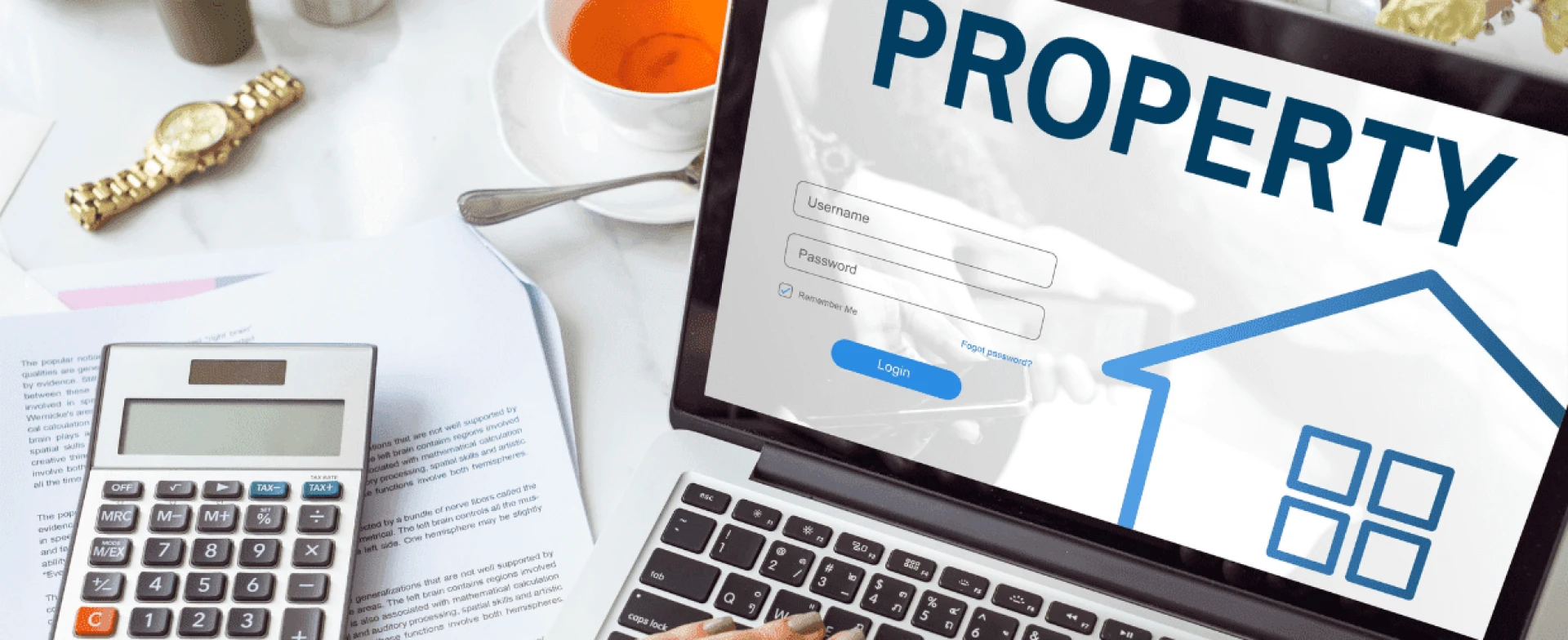
Property management software is a digital tool that helps landlords, property managers, and real estate professionals efficiently manage rental properties. It streamlines tasks such as rent collection, lease tracking, tenant communication, maintenance requests, and financial reporting.
How Does Property Management Software Work?
Property management software integrates multiple features to make property management easier. Here’s how it typically works:
- Tenant Management: Stores tenant information, lease agreements, and payment history in one place.
- Online Rent Collection: Enables tenants to pay rent through online portals, automating payment tracking and late fee enforcement.
- Maintenance Request Handling: Allows tenants to submit repair requests, which managers can track and assign to vendors.
- Financial Reporting: Generates detailed reports on income, expenses, and overall property performance.
- Communication Tools: Facilitates messaging between tenants and property managers, improving responsiveness.
- Vacancy Management: Helps list available properties, track inquiries, and process applications.
Benefits of Property Management Software
Using property management software offers several advantages, including:
1. Saves Time and Reduces Workload
Automation of tasks like rent collection, lease renewals, and financial reporting reduces manual work and saves time.
2. Improves Tenant Experience
Online portals allow tenants to make payments, submit maintenance requests, and communicate easily with management.
3. Enhances Financial Management
With built-in accounting tools, property managers can track income, expenses, and tax deductions accurately.
4. Minimizes Errors
Automated reminders, record-keeping, and reporting help reduce human errors in financial transactions and lease management.
5. Streamlines Maintenance Requests
Tenants can report issues digitally, and managers can assign repair tasks to vendors efficiently.
6. Improves Vacancy Management
Property managers can list vacancies online, track applications, and screen tenants more effectively.
Key Features to Look for in Property Management Software
When selecting property management software, consider the following essential features:
1. Online Rent Collection
A system that supports automated payments, late fee enforcement, and payment reminders.
2. Lease and Tenant Management
Tracks lease agreements, renewal dates, and tenant details in a centralized database.
3. Maintenance Tracking
Allows tenants to submit maintenance requests and enables managers to track and assign tasks.
4. Accounting and Financial Reporting
Includes tools for tracking income, expenses, generating reports, and simplifying tax preparation.
5. Tenant Screening
Integrates with background and credit check services to help screen potential tenants.
6. Communication Tools
Messaging features for seamless communication between tenants, landlords, and property managers.
7. Cloud-Based Access
A cloud-based system enables access from anywhere, improving flexibility for property managers.
8. Integration with Other Software
Syncs with accounting tools, CRM systems, and marketing platforms for a seamless workflow.
How to Choose the Right Property Management Software
Follow these steps to select the best software for your property management needs:
1. Assess Your Needs
Determine the features you need based on the number of properties you manage and your specific challenges.
2. Consider User-Friendliness
Ensure the software is easy to use for both property managers and tenants.
3. Check Pricing and Scalability
Compare pricing plans and choose a solution that fits your budget while allowing future expansion.
4. Look for Customer Support
Reliable customer support is essential for troubleshooting and onboarding.
5. Read Reviews and Request a Demo
Check user feedback and test a demo version before making a final decision.
Popular Property Management Software
Here are some of the top property management software solutions available today:
- Buildium - A comprehensive solution for residential property management with accounting and leasing tools.
- AppFolio - Designed for large-scale property management with automation and AI-powered tools.
- Rentec Direct - Ideal for small to mid-sized property managers, offering online rent payments and maintenance tracking.
- TenantCloud - A free and budget-friendly option with essential property management features.
- Yardi Breeze - A cloud-based solution suitable for residential and commercial property management.
Conclusion
Managing properties efficiently requires the right tools, and property management software simplifies operations, enhances tenant satisfaction, and improves financial tracking. Whether you're a landlord, property manager, or real estate investor, choosing the right software can save time and help grow your business.
When selecting property management software, focus on features like rent collection, lease tracking, maintenance handling, and financial reporting. With the right solution, you can streamline property management and improve profitability.
If you're looking for a better way to manage your rental properties, now is the time to explore the best software options available!





Sign in to leave a comment.