
Protecting your water supply begins with understanding how backflow occurs and why regular testing plays a vital role in keeping your home’s plumbing safe. Many homeowners search for guidance on backflow testing San Jose as they deal with yearly inspections, cross-connection concerns, or unexpected water pressure issues. This topic carries weight because backflow has the potential to pull contaminated water into drinking lines, creating health hazards and plumbing system damage. The following guide breaks down essential tips, common risks, and practical steps that support safer water flow throughout your property.
What Causes Backflow in Residential Plumbing?
Backflow occurs when water moves in the opposite direction from its intended path. This reverse movement typically stems from sudden pressure changes within the system. Two scenarios commonly create this situation:
Back-Pressure Conditions
This occurs when pressure inside the plumbing system rises above the pressure in the main supply. Water heaters, pumps, and other mechanical components may create a push effect strong enough to force water backward.
Back-Siphonage Conditions
This happens when the pressure in the city supply drops lower than the pressure in your home. Events like main line breaks, fire hydrant use, or heavy system demand can trigger a suction effect that draws water in reverse.
Both conditions can pull pollutants, chemicals, or bacteria into potable water lines if protective devices fail or go untested.
Why San Jose Residents Need Regular Backflow Testing
San Jose relies on cross-connection control regulations to keep drinking water safe across neighborhoods. Testing protects both private properties and the broader municipal system by confirming that protective devices perform properly.
Local Conditions That Increase Risk
Several factors make routine testing especially important in San Jose:
- Dense urban neighborhoods with shared water lines
- Large number of irrigation systems
- Aging commercial and residential plumbing structures
- Seasonal demands on the water supply
- Heavy use of pool systems, boilers, and pressure equipment
Each of these can contribute to cross-connection hazards if a device wears down or becomes clogged.
What Backflow Devices Do and Why They Matter
Backflow prevention assemblies stop contaminated water from reversing into clean supply lines. These devices use valves, springs, and mechanical checks that allow water to flow one way only.
Common Backflow Devices Used in San Jose
- Double Check Valve Assemblies (DCVA) for irrigation systems
- Pressure Vacuum Breakers (PVB) for yard sprinklers
- Reduced Pressure Zone Assemblies (RPZ) for higher risk applications
- Atmospheric Vacuum Breakers (AVB) for low-pressure outdoor uses
Each device requires routine testing to confirm the valves open and close as intended. Without regular inspection, debris, rust, or wear can compromise performance.
Signs Your Property May Need Backflow Testing Sooner
Backflow prevention testing is usually required annually, but some conditions signal the need for earlier inspection.
Warning Signs
- Water that looks cloudy or discolored
- Sudden shifts in water pressure
- Odors coming from faucets
- Standing water around irrigation lines
- Sediment or debris appearing in sinks or tubs
- Unexplained moisture near backflow assemblies
While some issues may stem from unrelated plumbing concerns, early testing helps rule out cross-connection hazards before they worsen.
What Happens During a Professional Backflow Test?
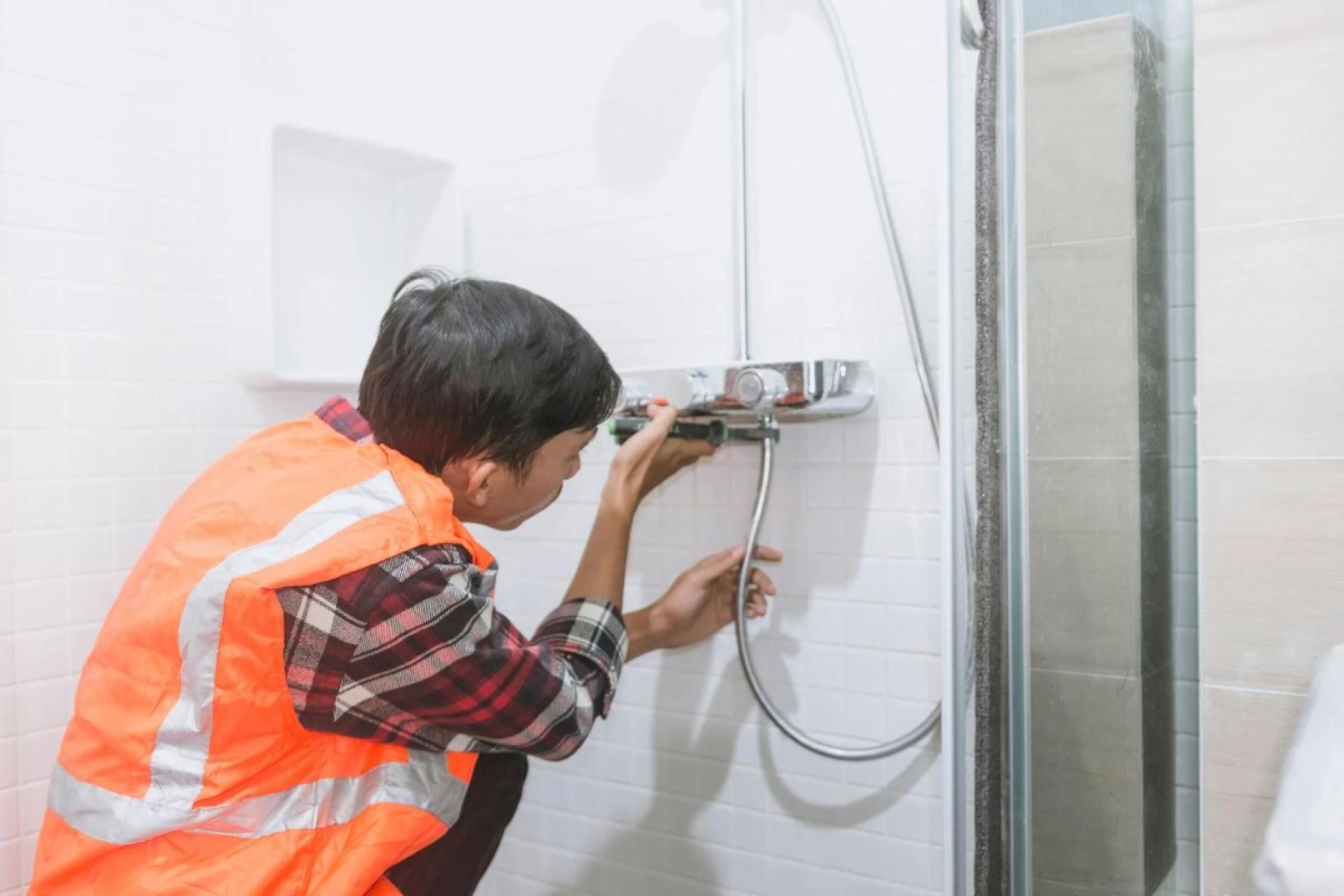
A licensed tester follows a precise process to check the functionality of each part of the prevention assembly.
Step-by-Step Testing Process
- Shutting off the water to isolate the device
- Connecting specialized gauges to measure performance
- Inspecting each internal valve for pressure responsiveness
- Checking relief valves for accurate discharge
- Documenting readings required for city compliance
- Completing required reports for San Jose Water or relevant agencies
This procedure verifies that the device responds correctly under real-world pressure changes.
Tips for Maintaining a Reliable Backflow System in San Jose
Testing is only one part of maintaining a safer plumbing system. Small maintenance habits can extend the lifespan of your backflow device and lower the risk of failure.
Keep Irrigation Equipment in Good Condition
Sprinkler systems are among the most common sources of cross-connection issues. Repair broken heads, replace cracked fittings, and avoid positioning sprinklers near drainage areas that collect chemicals or soil runoff.
Protect Your Backflow Device From Weather Exposure
San Jose receives varied seasonal conditions. Sun exposure, moisture, and occasional cold snaps can wear down materials. Device covers help reduce stress on valves and springs.
Schedule Testing Before Landscaping Changes
Any time you regrade soil, install hardscaping, or add irrigation zones, have the backflow assembly examined. Construction can shift pipe positions or bury devices deeper than recommended.
Keep Surrounding Area Clean and Clear
Debris around the device can restrict access during emergencies or block parts that require airflow. Maintaining space also protects it from accidental impact.
Why Professional Testing Matters for Safety and Compliance
Backflow assemblies are highly technical components governed by local codes, so testing must be completed by certified professionals. San Jose requires reports submitted by licensed testers to maintain compliance records for both residential and commercial properties.
Benefits of Relying on Skilled Testers
- Accurate gauge readings
- Reliable detection of valve failures
- Guidance on device replacement when needed
- Detailed reporting for official records
- Knowledge of cross-connection control regulations
This level of expertise protects property owners from both health risks and municipal violations.
What Happens if a Backflow Device Fails?
A failed device requires immediate repair or replacement. The technician will explain the cause of the failure, whether from worn seals, clogged valves, corrosion, or pressure imbalance. After repairs, the system undergoes a retest to confirm full protection.
Delaying repairs increases the chance of contaminants entering clean water lines, especially during pressure fluctuations.
Conclusion
Backflow testing supports cleaner, safer water throughout San Jose homes and neighborhoods. With routine inspections, well-maintained devices, and awareness of early warning signs, residents can protect their property from cross-connection hazards. A reliable backflow prevention system plays a key role in keeping water safe for daily use and in maintaining compliance with city requirements.



























Sign in to leave a comment.